Strengthening Rural Resilience Through Local Collaboration

| Insights

How improved productivity, cooperation and market-oriented value chains strengthen the socio-economic resilience of the local agricultural sector in Lebanon’s Bekaa and Mount Lebanon regions.

In Lebanon’s Bekaa and Mount Lebanon regions, hundreds of smallholder farmers have faced rising costs, outdated technology, and shrinking markets. Through the Strengthening the Resilience of Smallholder Farmers, Micro, Small, and Medium-sized Enterprises, and Local Communities project within the Agriculture, Communities and Enterprises (ACE) framework, implemented by Dorsch Impact and iCRA on behalf of the GIZ, these farmers are now working together to rebuild their resilience, transformingchallenges into opportunities for cooperation and growth.

After two and a half years, the project is coming to an end. It aimed to reinforce the socio‑economic resilience of Lebanon’s most vulnerable farming communities by modernising production systems, reducing dependency on imports and fostering cooperation along key value chains. To turn these goals into action, the project began with a comprehensive analysis of value chains and farmer vulnerabilities, laying the groundwork for targeted interventions that would strengthen cooperation and productivity across Lebanon’s rural areas.
Driving Sector Adaptation Through Clear Objectives

The project supported Lebanon’s agricultural sector by helping farmers and associations adapt to disrupted markets through improved practices, better cooperation and more resilient production systems. It began with an updated value chain and vulnerability analysis to understand sector challenges and identify the most affected farmers.

Building on this foundation, a customised Agri‑Business Clustering approach brought farmers together into coordinated groups, strengthened through trust‑building, joint planning and targeted capacity development for facilitators and coaches.

To encourage more sustainable production, the project promoted the adoption of Good Agricultural Practices (GAP) by combining incentives, training, advisory support and improved access to essential equipment.

It also fostered stronger market linkages, including opportunities for contract farming and locally produced inputs, helping reduce import dependency and create more stable market relationships.

Building Cooperation Through the ABC Approach

A cornerstone of the project was the development and adoption of a customised Agri‑Business Clustering (ABC) model adapted to the Lebanese context. Through the ABC approach, 16 clusters were formed, bringing together farmers, processors, and local institutions to plan, learn, and grow together. This participatory model turned competition into collaboration, building trust and shared responsibility across the agricultural value chain. The approach positioned farmers as active value chain actors, strengthening cooperation within and beyond their communities. Cluster facilitators and local coaches were trained extensively in GAP, marketing, financial analysis and facilitation to ensure sustainable cluster management well beyond the project’s duration.

Introducing the ABC Approach "Lebanese Model"

Allow displaying external content from YouTube?

When loading this content, data is transferred to the provider and, if applicable, to third parties. For more information, please refer to our privacy policy.

Reflections of Cluster Members
Impact of the ABC Approach "Lebanese Model"

Allow displaying external content from YouTube?

When loading this content, data is transferred to the provider and, if applicable, to third parties. For more information, please refer to our privacy policy.

Consolidating Gains for Long-Term Rural Resilience

Across all value chains, the project generated clear improvements in performance, cooperation and stability, with farmers reporting higher yields, stronger cost coverage and more reliable operations supported by shared machinery and coordinated input procurement. On average, participating farmers were able to cover up to eight months of their annual operating and household costs – a key indicator of improved resilience and financial stability. Continuous learning and local ownership were central to this progress: peer exchanges, targeted trainings, Mental Health and Psychological Support (MHPSS) integration and cooperative awareness strengthened the clusters’ ability to adapt and sustain their work. Farmers now report higher yields, lower costs, and stronger cooperation through shared machinery and collective input purchasing. With sustainability plans and by-laws in place, these clusters are set to continue thriving while proving that collaboration is the key to long-term rural resilience.

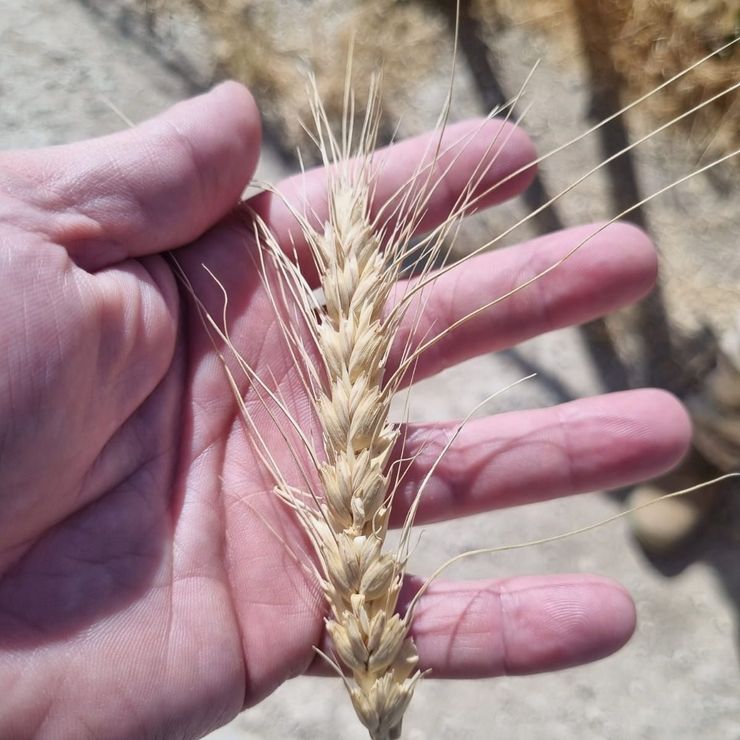
Processors always seek the lowest price, but this is not healthy for the entire agricultural cycle […] Wheat is food security. We must continue planting it.

Najib Saliba, owner of Rim Mills and processor within the Mansoura cluster about commitment beyond individual profit and collective responsibility.

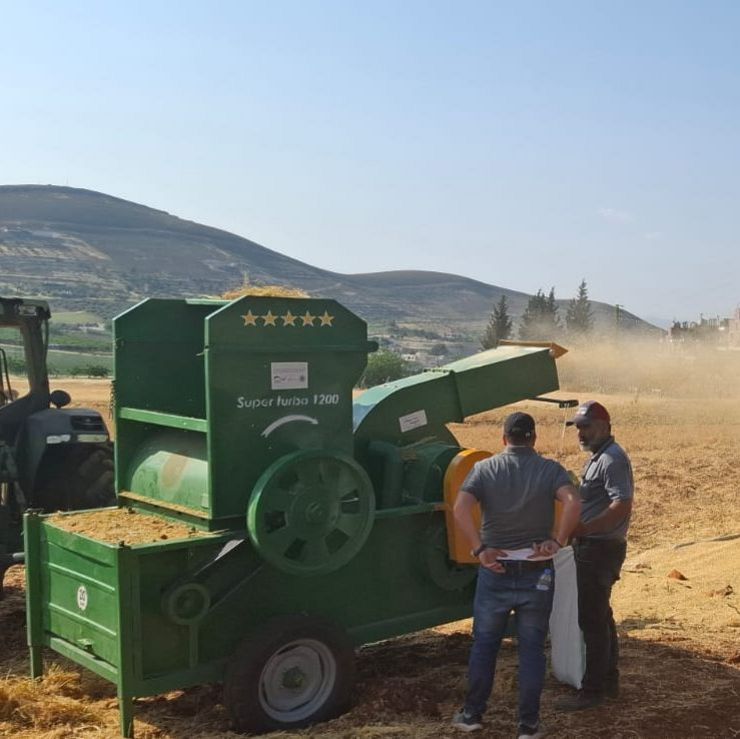
We are even considering buying a large tractor together so we can share its use and reduce our expenses.

Wasim Azzam, Bater Cluster coach about real cooperation through trust.

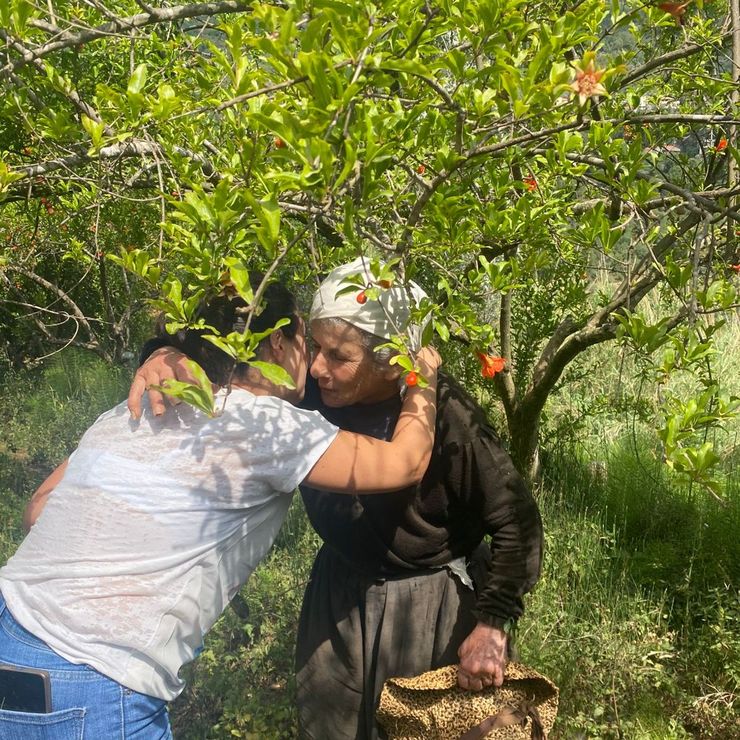
If I have a problem […] now I can ask for help. The project gave me motivation to continue despite the difficulties.

Nadia Sobh, farmer within the Mejdlaya Cluster in the Aley district, about how the support within the cluster gives her more than only technical support.

Share

Topics

Agriculture and Irrigation

Related Projects

ACE - Community Survey

Dorsch Impact GmbH
Hasbaya & Southern Baalbek, LB

Peaceful Coexistence in Refugee Hosting Communities in Lebanon (PCL)

Dorsch Impact GmbH
North Lebanon and Akkar, LB