
Translating the national ambition to protect and restore these landscapes into concrete, community-level action is one of the defining challenges of sustainable forest governance, and part of our mission within the Support to the Forest and Environmental Sector Programme (PSFE II & III). A recent field visit to the Municipality of Lagdo, in Cameroon's North Region, offered a vivid illustration of what that translation looks like on the ground.
From Policy to Practice in Lagdo – Restoring Cameroon's Forest Landscapes
| Insights
Cameroon's tropical forests are among the most ecologically significant on the African continent: a living heritage that sustains biodiversity, regulates climate, and supports the livelihoods of millions.
A Visit Rooted in Partnership
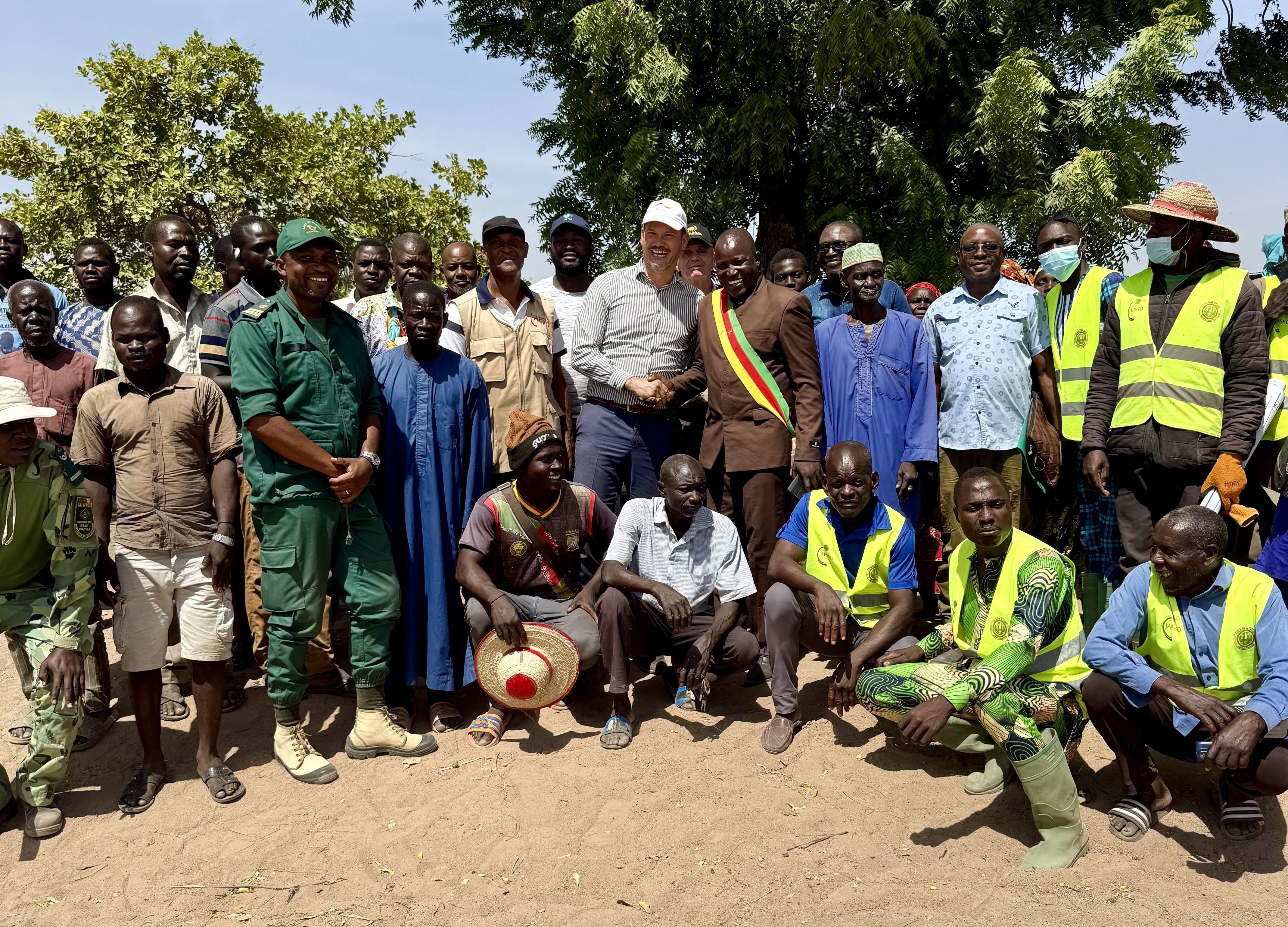
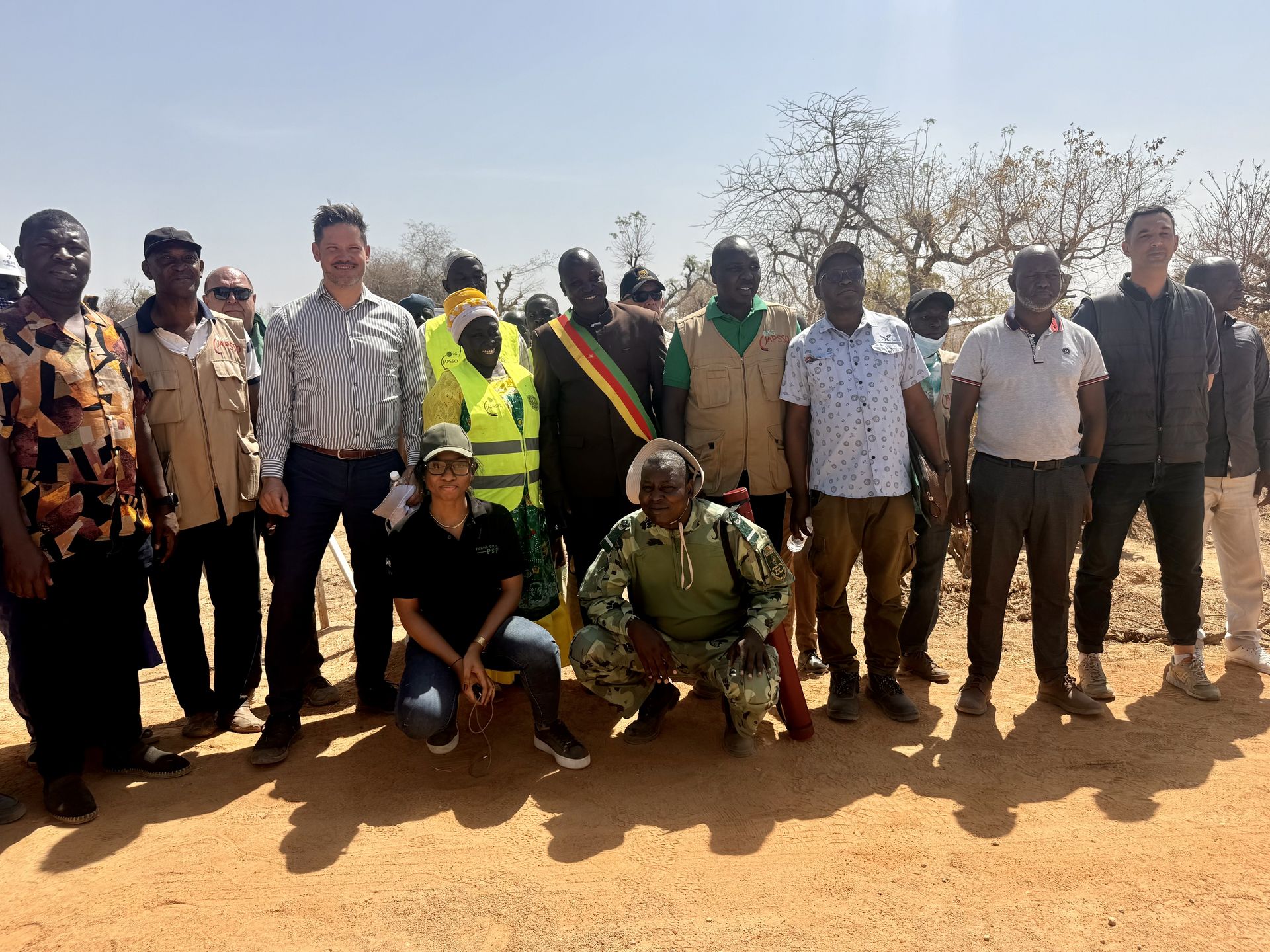
The mission to Lagdo was led by Mr Knut Gummert, Head of German Cooperation in Cameroon, and welcomed by the Mayor of the Municipality of Lagdo. It brought together an exceptional breadth of stakeholders: teams from the Regional Delegation of Forestry and Wildlife of the North (DRFOF), municipal representatives, the implementing partner JAPSSO, Dorsch Impact representatives, as well as traditional authorities and local community members. This diverse group speaks to the multi-layered partnership that underpins this project, one in which national institutions, international cooperation, local government, and communities are active participants rather than passive recipients.
AFR100 and the PSFE Basket Fund: A Strategic Framework for Restoration
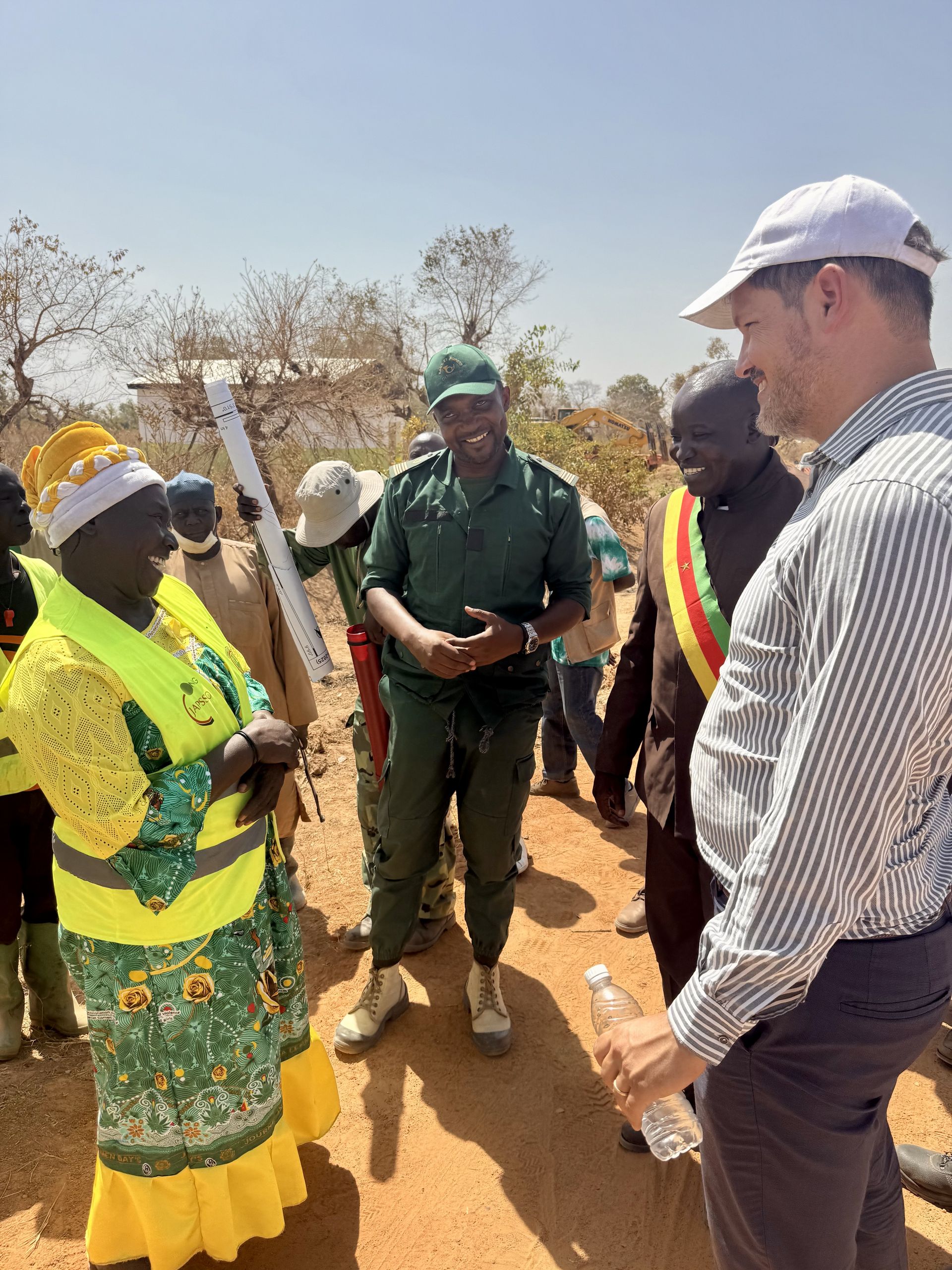
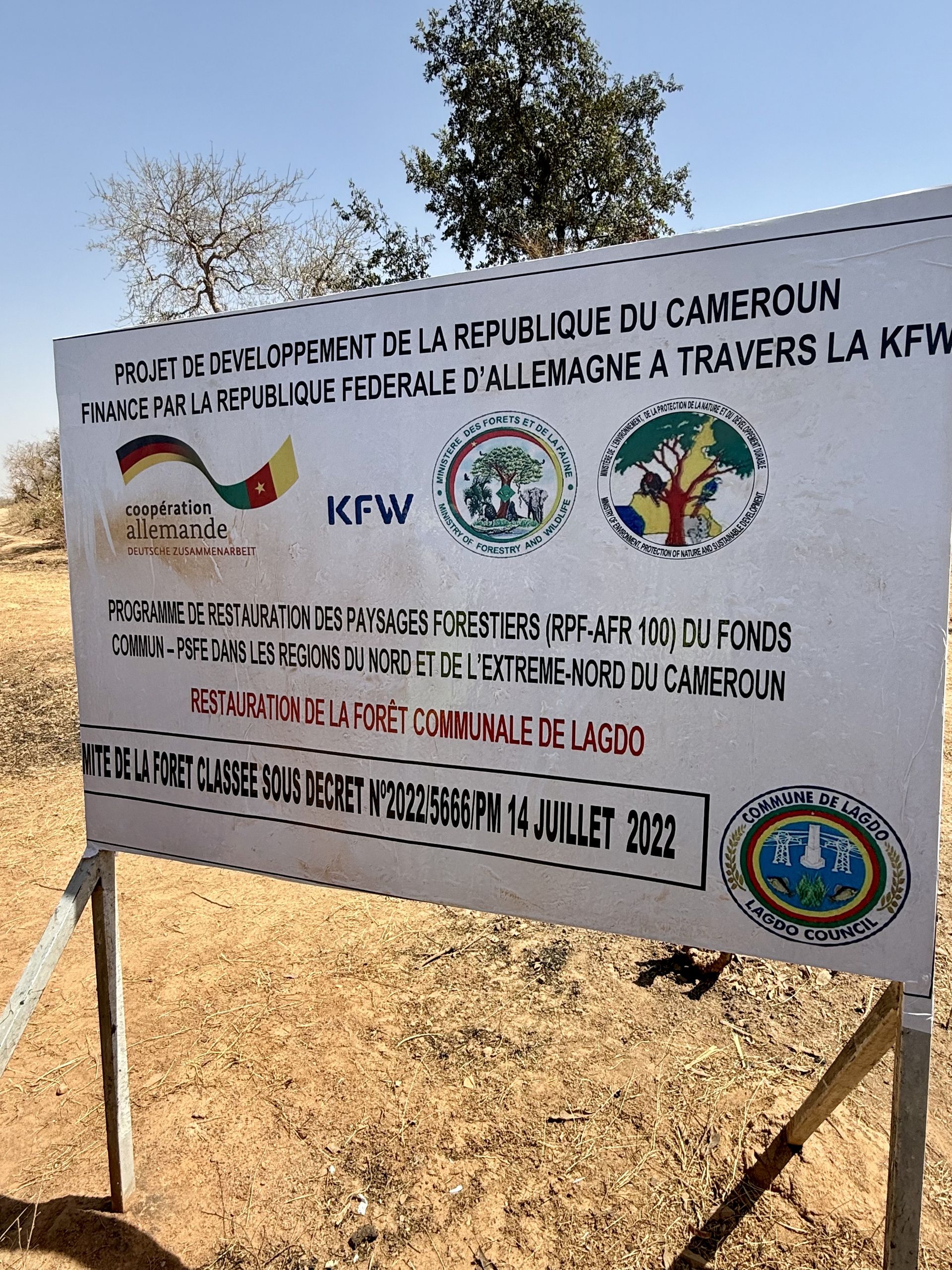
The Lagdo visit was conducted under Programme 8 of the PSFE Basket Fund which is specifically dedicated to forest landscape restoration in Cameroon's North and Far North Regions. This programme is implemented within the framework of the AFR100 initiative, the pan-African commitment to restore 100 million hectares of degraded land across Africa by 2030.
AFR100 represents one of the most ambitious landscape restoration pledges on the continent, and Cameroon's participation underscores the country's determination to integrate climate action and rural development within a single coherent strategy. The PSFE Basket Fund provides the financial architecture that makes this ambition operational, channelling targeted resources into restoration, governance, and community engagement at scale.
What Restoration Looks Like: Three Concrete Actions
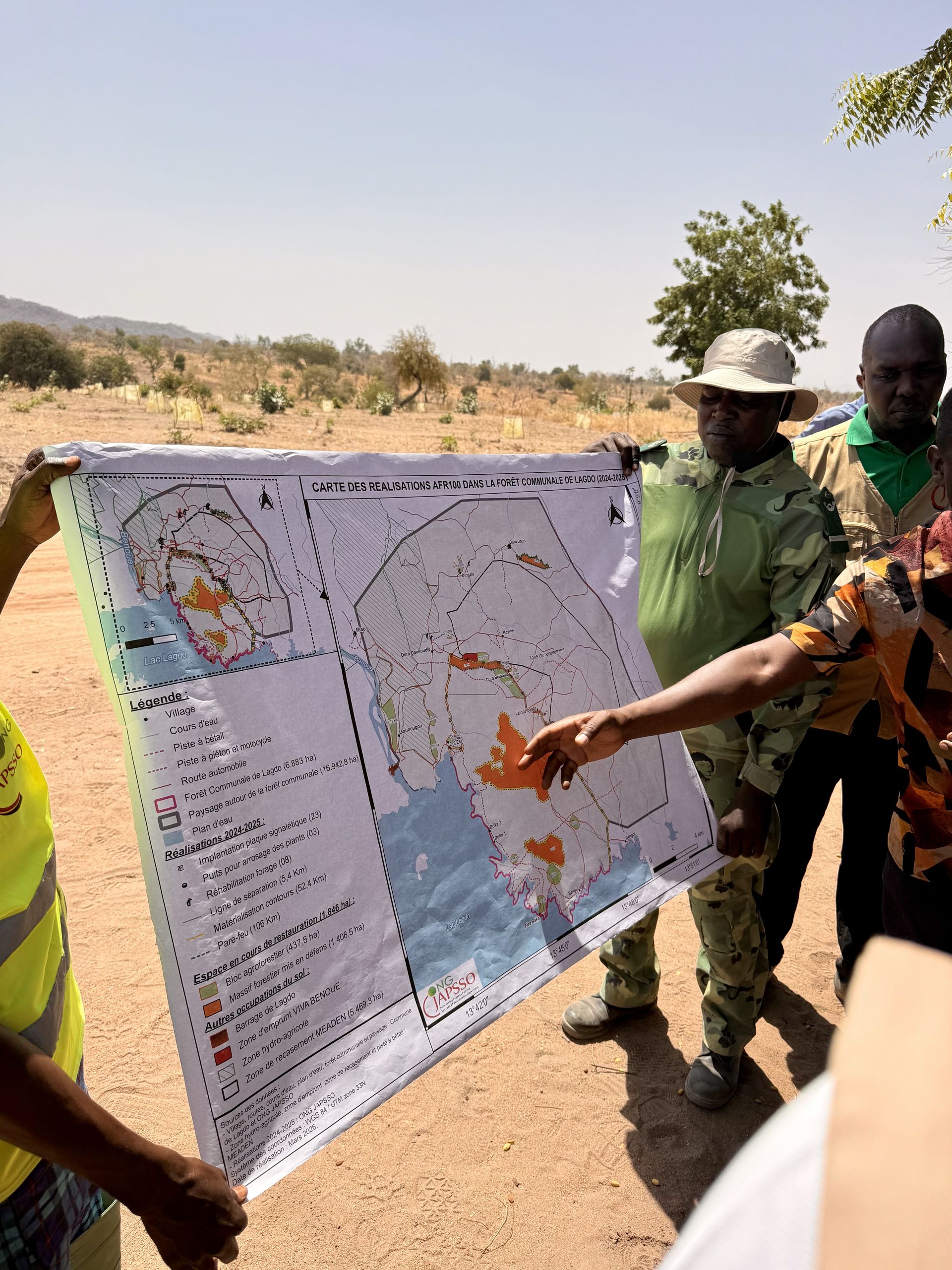
At the heart of the Lagdo Communal Forest, the visit focused on three key initiatives illustrating the scope and depth of the ongoing landscape restoration activities:
- Demarcation of communal forest boundaries: A foundational step in forest governance, the physical marking of boundaries helps prevent encroachment, reduces land-use conflicts, and creates the legal clarity needed for long-term, sustainable management.
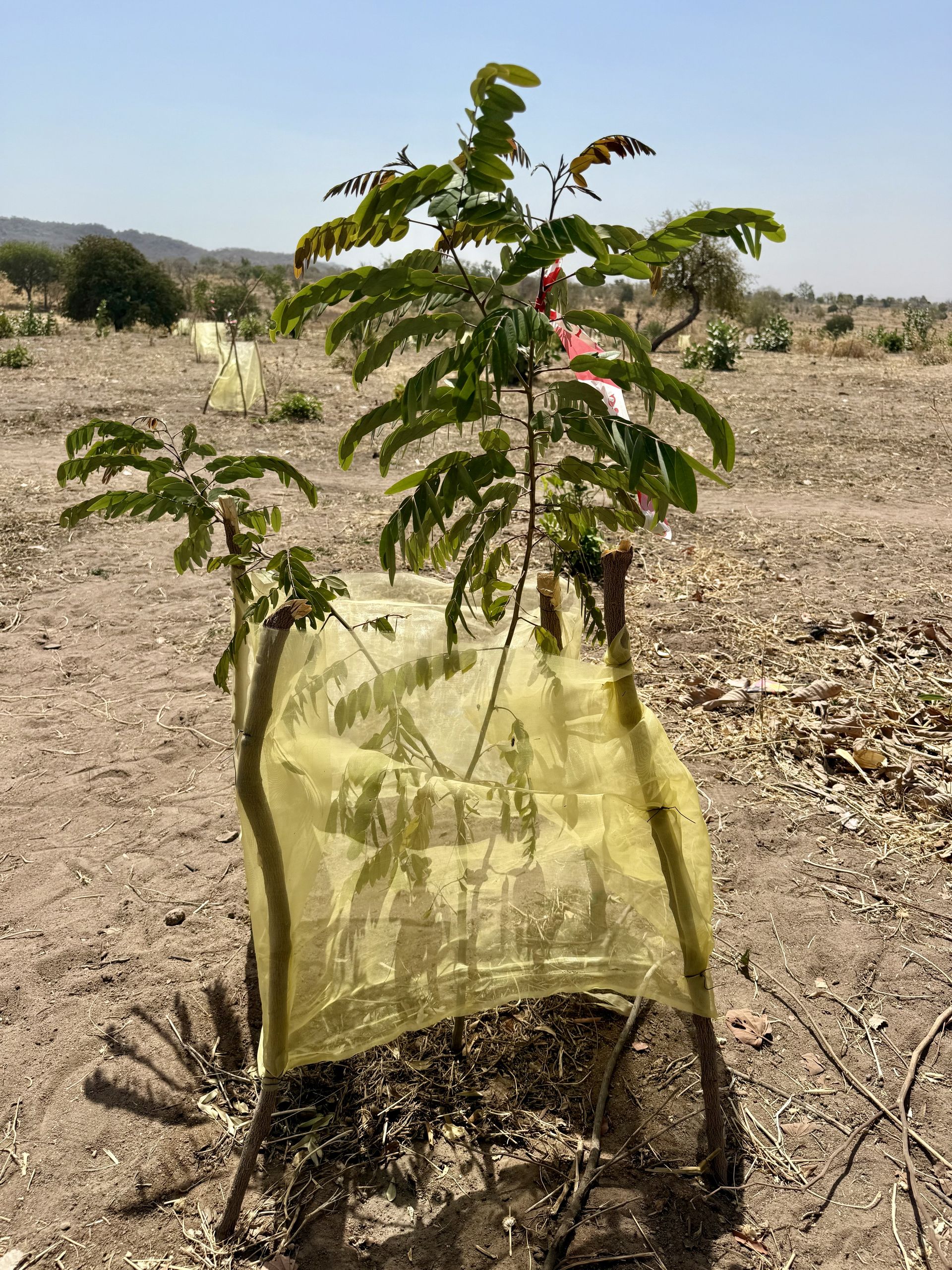
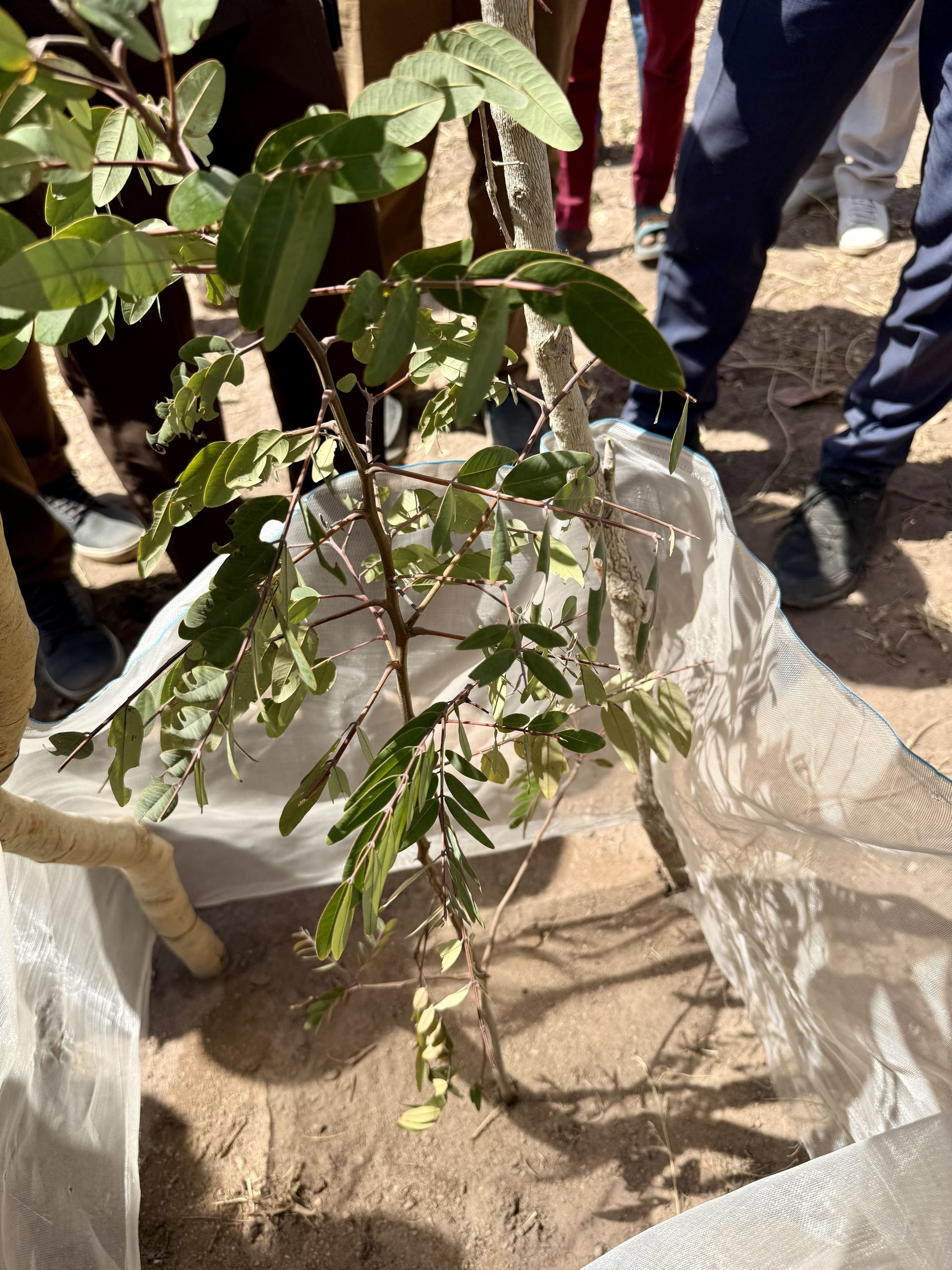
- A 100-hectare agroforestry plot: Developed in direct collaboration with local communities, this plot is designed to combine agricultural productivity with environmental restoration. By integrating trees into farming systems, the approach supports soil health, diversifies household incomes, and builds community ownership over the restoration process.
- A 102-hectare protected set-aside zone: By placing this area under natural regeneration, the project allows degraded land to recover progressively, restoring ecosystem functions, including carbon sequestration, water retention, and habitat connectivity, without costly artificial interventions.
Taken together, these actions reflect a deliberately integrated approach: technical measures reinforced by community engagement, governance reforms grounded in local realities, and ecological restoration aligned with human development needs.
Beyond the Technical: Dialogue as a Driver of Change
Perhaps equally significant were the exchanges that took place during the visit. Conversations with local stakeholders such as farmers, community leaders, and traditional authorities highlighted the environmental, economic, and social dimensions of landscape restoration that data alone cannot fully capture. These dialogues are not peripheral to the project; they are central to it. Durable restoration depends on local actors understanding, valuing, and ultimately leading the stewardship of their own landscapes.
Part of a Longer Commitment
The Lagdo mission is a single moment within a much broader long-term engagement. Since 2019, Dorsch Impact has led the management of the PSFE Basket Fund under Phases II and III of the programmes, a role that builds on a prior partnership stretching back to 2011 (PSFE I). Over more than 16 years, this sustained commitment has supported the progressive strengthening of Cameroon's forest and environmental governance, from national policy frameworks to community-level implementation.
The work in Lagdo is one expression of that commitment, holding proof that forest governance reform and landscape restoration, when properly resourced, institutionally grounded, and community-led, can deliver results that are both measurable and meaningful.
Related Projects

Support for Forest and Environmental Sector Programme (PSFE) - Phases II & III
Dorsch Impact GmbH
CM
