TaqatHy+: Support for the Development of the Regulatory Framework for EE in Buidlings
Algeria's building sector is among the most energy-intensive sectors in the country, alongside transport and industry. Despite significant potential for energy savings, the regulatory environment governing energy efficiency (EE) in buildings has remained fragmented, lacking coherent incentive mechanisms and enforceable standards. This gap represents a critical barrier to the country's broader ambitions for a green energy transition.
Dorsch Impact is supporting the Algerian government in addressing this challenge through a targeted advisory assignment under TaqatHy+, a GIZ-implemented initiative funded by BMZ that aims to strengthen Algeria's socio-economic development through renewable energy, green hydrogen, and energy efficiency. This specific contract for Support for the development of the regulatory framework for energy efficiency in buildings operates as a standalone assignment within TaqatHy+, focusing exclusively on the modernisation of the regulatory framework for energy efficiency in buildings, a central pillar of Algeria's National Energy Efficiency Programme (PNME) 2025–2035.
The project delivers technical analysis, international benchmarking, and actionable regulatory recommendations to stimulate a functioning energy efficiency market in the Algerian building sector.
Disciplines
- Climate Action
- Governance, Peace and Social Cohesion
Client
Deutsche Gesellschaft für Internationale Zusammenarbeit (GIZ) GmbH, funded by BMZ
Duration
From 2025 to 2026
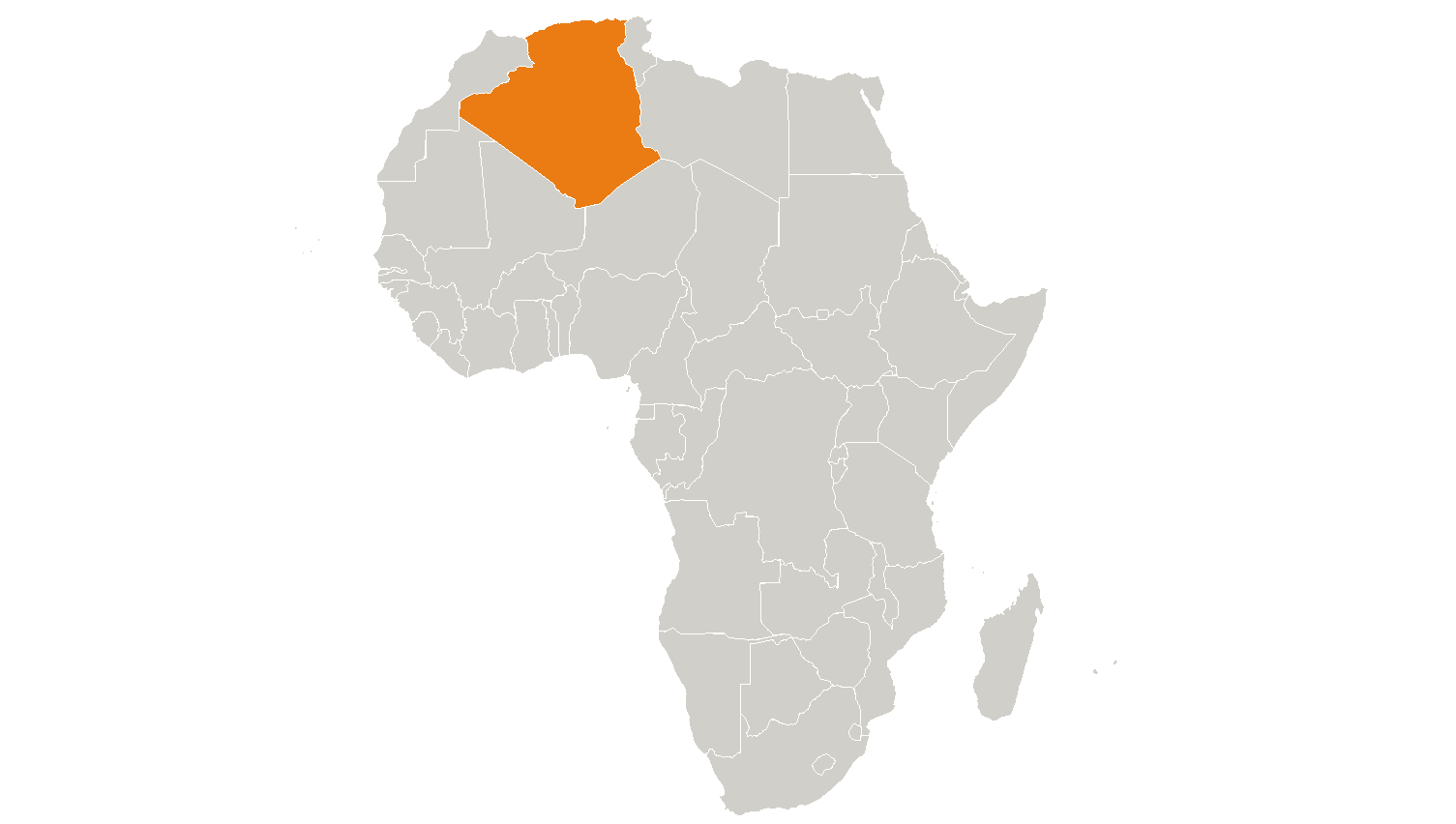
Location
Algeria
Project Activities
Work Package 1: Launch and Baseline Analysis
- Developing and validating the work plan, methodology, and communication matrix through two kick-off meetings
- Conducting a detailed evaluation of the energy efficiency market, the PNME framework, existing climate zone classifications, and prior sector studies
- Carrying out institutional mapping and analysis of the green electricity certification framework
- Producing an interview guide and report, SWOT analysis, and preliminary recommendations
Work Package 2: International Benchmarking
- Selecting three reference countries in consultation with GIZ and partner institutions
- Conducting a comparative analysis of standards, incentive mechanisms, energy labelling schemes, climate conditions, and regulatory requirements
- Identifying and documenting international best practices applicable to the Algerian context
- Delivering a comparative analysis report with targeted technical recommendations
Work Package 3: Recommendations and Roadmap
- Formulating concrete proposals for regulatory reforms tailored to Algeria's institutional and market context
- Developing recommendations for market mechanisms, financial incentives, and sector development strategies
- Designing a structured, operational implementation roadmap grounded in the preceding analyses
- Organising two restitution workshops with national stakeholders: one focused on the regulatory framework, one on the energy efficiency market
Impact
- Reduced energy consumption in buildings: By establishing a coherent, enforceable regulatory framework, the project will directly contribute to measurable reductions in national energy demand over the medium and long term.
- A functioning energy efficiency market: Clear standards, incentive mechanisms, and certification frameworks will create the conditions for private sector actors, developers, and investors to engage confidently in energy-efficient construction and retrofitting.
- Accelerated delivery of the PNME 2025–2035: Concrete regulatory reforms and an operational implementation roadmap will translate national policy ambitions into actionable steps.
- Greater climate resilience: More energy-efficient buildings reduce Algeria's dependence on fossil fuel-based energy generation, supporting the country's climate commitments and long-term resilience in the face of rising temperatures and growing cooling demand.
- Lasting institutional capacity: By embedding international best practices into the Algerian regulatory system and engaging national stakeholders throughout the process, the project strengthens the government's ability to sustain and scale energy efficiency efforts beyond the project period.
Contributing to the UN Sustainable Development Goals
We are committed to making a positive impact and supporting the UN Sustainable Development Goals (SDGs). This project contributes to the following SDGs: