Strengthening Good Governance in Kenya
Kenya continues to face significant governance challenges, such as corruption, weak public financial management, limited accountability mechanisms, and vulnerability to illicit financial flows. These challenges undermine public trust, impede sustainable development, and constrain the country's ability to deliver equitable, transparent, and effective public services, particularly at the sub-national level.
The Strengthening Good Governance (GoGo) programme, commissioned by the BMZ, co-financed by the European Commission and implemented by the Deutsche Gesellschaft für Internationale Zusammenarbeit (GIZ) GmbH, addresses these systemic issues by improving governance across four interconnected result areas: i) strengthening anti-corruption legislation and institutions; ii) enhancing accountability mechanisms with a particular focus on gender justice and whistleblower protection; iii) improving impact-oriented public administration in partner counties; and iv) combating illicit financial flows in line with Financial Action Task Force (FATF) standards. The programme cooperates with national authorities, civil society organisations, and 15 Kenyan counties.
The programme reflects a strong bilateral and multilateral commitment to accountable governance and the rule of law in Kenya.
Dorsch Impact, alongside partners VNGi and RDF, manages a flexible pool of international and national short-term experts (STEs) deployed across the programme's key intervention areas, ensuring timely, high-quality technical support to GIZ and its Kenyan counterparts throughout the programme cycle.
Disciplines
- Governance, Peace and Social Cohesion
Client
Deutsche Gesellschaft für Internationale Zusammenarbeit (GIZ) GmbH, financed by BMZ / European Commission
Duration
From 2025 to 2027
Location
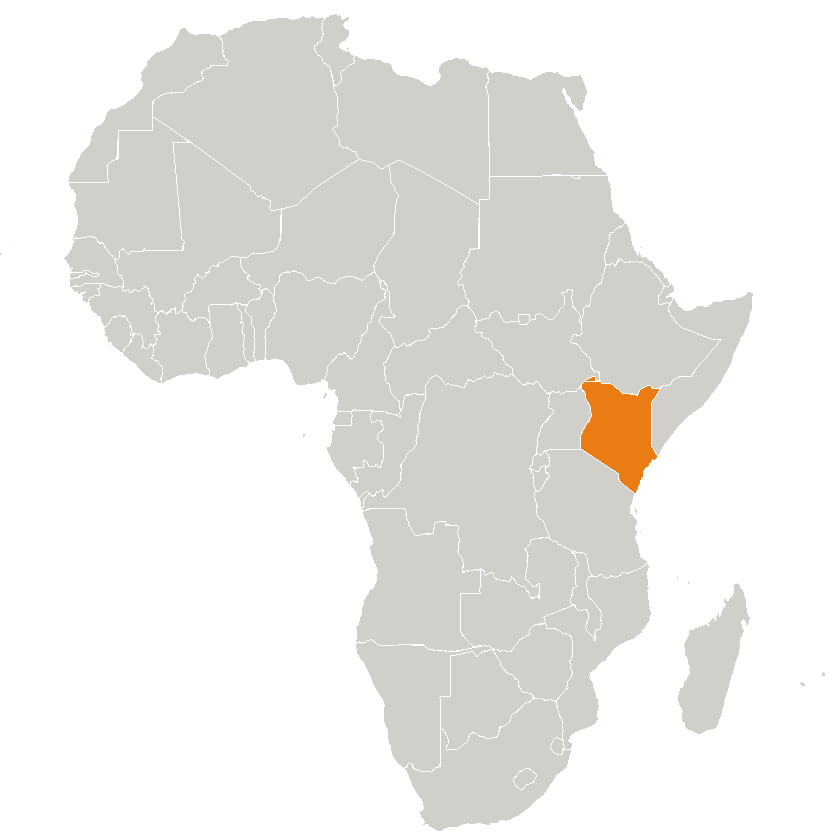
Kenya
Project Activities
Through the intervention of STE:
Anti-Corruption & Public Finance Management
- Conducting research and evidence analysis to inform anti-corruption policy reform
- Supporting the Office of the Attorney General on anti-corruption coordination and steering
- Building institutional capacity on complex financial investigations, money laundering, cryptocurrency, and beneficial ownership
- Undertaking a comprehensive review of obsolete and conflicting anti-corruption legislation
- Supporting at least ten counties in reviewing and implementing audit recommendations from the Auditor General and Public Procurement Regulatory Authority (PPRA)
- Developing digital accountability tools, including a citizen feedback mobile application and enhanced Access to Government Procurement Opportunities (AGPO) portal
Transparency, Accountability & Gender Justice
- Providing technical support to the Commission on Administrative Justice (CAJ) on administrative justice policy, performance contracting, and access to information frameworks
- Scaling up the Complaints Management Information System (CMIS) for county governments
- Supporting the establishment of whistleblower protection mechanisms, including digital solutions
- Training and mentoring civil society organisations (CSOs) on transparency, accountability, climate finance oversight, and Open Government Partnership (OGP) engagements
- Supporting civil society oversight mechanisms for gender-sensitive public expenditure in five partner counties
Combating Illicit Financial Flows (IFF)
- Training and mentoring law enforcement agencies on financial investigations and asset recovery
- Supporting prosecution of money laundering cases and developing Alternative Dispute Resolution (ADR) guidelines for the Asset Recovery Authority
- Conducting FATF compliance training for Designated Non-Financial Businesses and Professions (DNFBPs)
- Developing an Online Trust Beneficial Ownership Register and Trust Lodgement Platform
- Supporting legal reforms in the illicit financial flows sector
Impact
- Increased white-collar crime prosecutions: The programme targets a 21% increase in cases prosecuted by the Office of the Director of Public Prosecutions, from a baseline to 90 cases, therefore directly strengthening Kenya's rule-of-law institutions.
- Expanded access to justice: A 45% increase in resolved complaints through the digital public complaints mechanism (targeting 4,369 closed cases) will improve citizens' access to administrative justice across Kenya.
- Legislative reform: Five new or revised anti-corruption bills are expected to be tabled before Parliament, advancing Kenya's legal framework for accountability and ethical governance.
- FATF compliance progress: The programme supports Kenya in implementing six reform steps required under the Financial Action Task Force's legal framework standards, reducing exposure to money laundering and illicit financial flows.
- Subnational governance strengthened: Through targeted support to 15 counties, the programme builds lasting capacity in public financial management, gender-sensitive budgeting, and impact-oriented administration, thus contributing to Kenya's devolution agenda and long-term institutional resilience.
Contributing to the UN Sustainable Development Goals
We are committed to making a positive impact and supporting the UN Sustainable Development Goals (SDGs). This project contributes to the following SDGs: