
Sidi Mohamed Cherif Irrigation Perimeter: Hydro-Agricultural Development & Accompanying Measures - Lot 1 & 2
Morocco faces mounting pressure on its agricultural water resources, driven by chronic drought, climate variability, and ageing irrigation infrastructure. In response, the Government of Morocco has prioritised the modernisation of irrigation systems as a central pillar of its agricultural development strategy, seeking to maximise water-use efficiency and strengthen the resilience of smallholder farming communities.
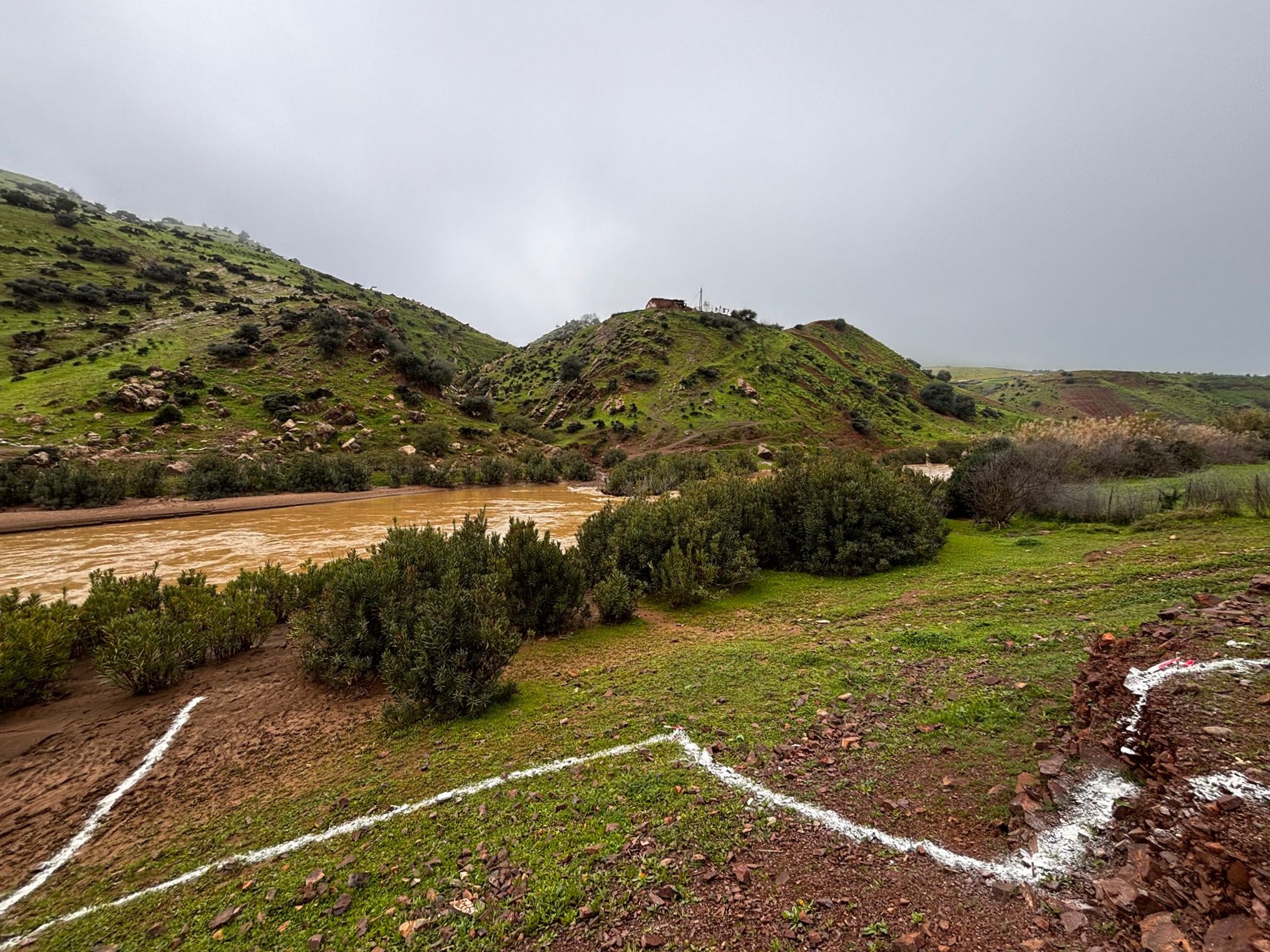
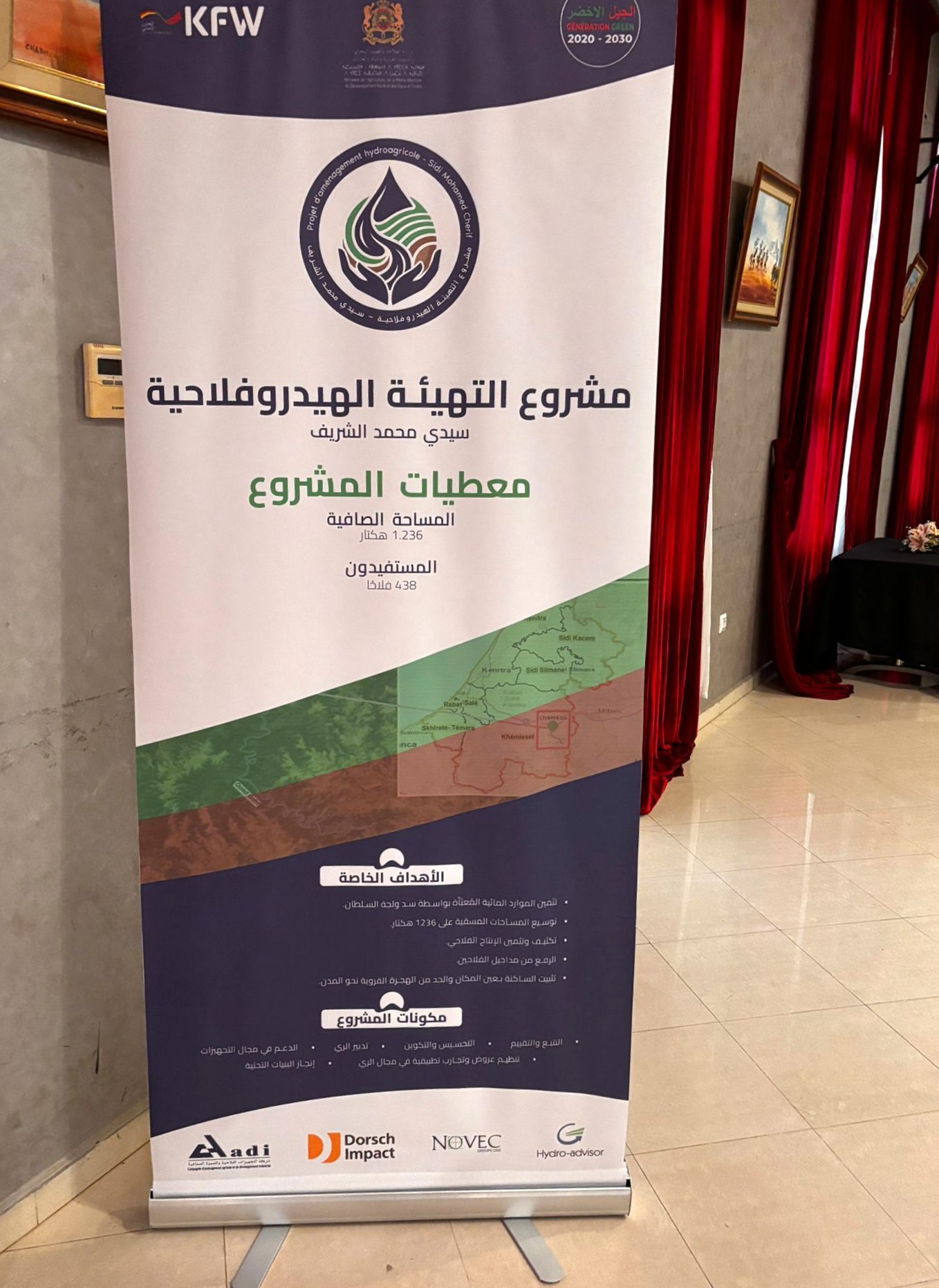
The Technical assistance for the implementation of hydro-agricultural development works and support for the implementation of accompanying measures in the Sidi Mohamed Cherif (SMC) perimeter, municipalities of Majmaa Tolba and Ait Siberne, Khemisset Province, Rabat-Salé-Kénitra Region projects' goal is to address these challenges by developing a modern, drip irrigation system across a net area of approximately 1,236 hectares in the Oued Beht valley, Khemisset Province, Rabat-Salé-Kénitra Region. Sourcing water from the Ouljet Essoltane dam, the project targets around 438 farmers cultivating 217 plots across the municipalities of Majmaa Tolba and Ait Siberne. It is structured around three delivery pillars: appropriate infrastructure, technical supervision, and farmer-focused accompanying measures.
Financed by KfW Development Bank and the Moroccan State, the project is implemented through two separate contracts, Lot 1 and Lot 2.
Dorsch Impact acts as a partner in a joint venture set up of 4 partners alongside A.D.I. Bureau d'Études (lead partner), NOVEC and Hydro Advisor.
Areas of Expertise
- Agriculture and Irrigation
Client
Ministère de l’Agriculture, de la Pêche Maritime, du Développement Rural et des Eaux et Forêts / Direction provincial de l’agriculture de Khémisset funded by the German Government through KfW Development Bank and the Government of Morocco
Duration
From 2025 to 2030
Location
Morocco
Project Activities
Lot 1: Verification of studies, monitoring and control of hydro-agricultural and photovoltaic construction works, and project management
Period: 08/2025 – 08/2029
Pre-construction support
- Review of technical files,
- Participation in site handovers
- Support to contractors in mobilisation preparation
Studies and design verification
- Verification of execution plans
- Approval of materials and equipment
- Validation of as-built plans against contractual and technical standards
Works supervision
- Monitoring of works across technical, financial, environmental, and social dimensions
- Coordination of contractors and issuing technical approvals
Project management
- Overseeing of administrative and financial management
- Risk identification and mitigation measures throughout implementation
Lot 2: Accompanying Measures
Period: 09/2025 – 08/2030
Institutional development and capacity building
- Support to the creation of Water User Associations (WUAs)
- Training WUA managers in governance and administration
Internal equipment and gender mainstreaming
- Guiding farmers through the internal works process
- Integration of gender considerations throughout implementation
Technical agricultural support
- Providing hands-on guidance on drip irrigation management and crop adaptation through demonstration plots
Irrigation equipment management and maintenance
- Training farmers in the operation and preventive maintenance of irrigation systems for long-term autonomy
Monitoring, evaluation, and strategic planning
- Evaluation of the project progress, conducting a water pricing study, diagnosing value chains, and developing a strategic agricultural marketing plan
Impact
- Improved water efficiency: The introduction of drip irrigation across 1,236 hectares will replace conventional surface irrigation, significantly reducing water losses and optimising the use of a critical resource in a water-stressed region.
- Strengthened food security and livelihoods: Approximately 438 smallholder farmers operating 217 plots stand to benefit from increased agricultural productivity and more stable, climate-resilient production systems.
- Institutional capacity development: The creation and strengthening of WUAs aims to ensure that farmers are organised, represented, and equipped to manage the irrigation infrastructure autonomously beyond the project period.
- Climate resilience: By modernising irrigation infrastructure and embedding sustainable water management practices, the project supports the adaptation to increasing climate variability in the target region.
- Gender inclusion: By integrating a gender-sensitive approach into the accompanying measures component, the project aims to ensure that women farmers are meaningfully engaged and supported throughout the transition to modern agricultural practices.
- Long-term market access: Strategic agricultural marketing planning and aggregation support are designed to position farmers to access broader markets, improving income prospects and the overall socio-economic conditions of rural communities.
Contributing to the UN Sustainable Development Goals
We are committed to making a positive impact and supporting the UN Sustainable Development Goals (SDGs). This project contributes to the following SDGs:
Project Images
 Enlarge image
 Enlarge image
 Enlarge image
 Enlarge image
 Enlarge image