
Sanitation and Rainwater Drainage Project in Al Khalidiya
Al Khalidiya, a rapidly growing city in Iraq's Al Anbar Governorate, faces a critical gap in basic urban infrastructure. Founded in the 1960s, the city has expanded significantly from a population of 58,000 in 2013 to a projected 113,000 by 2042, yet to date has no functioning sanitation infrastructure whatsoever. Wastewater management relies almost entirely on septic tanks, whilst rainwater is conveyed through a partially functioning drainage network directly to outfalls to the Euphrates River and the Al Theban regulation channel. Households have routinely connected wastewater outlets directly to this rainwater network, compounding environmental and public health risks.
In response, the French Development Agency (AFD) is financing the Sanitation and rainwater drainage project in Al Khalidiya (Governorate of Al Anbar) project through a sovereign loan to the Iraqi Government, working in close partnership with Iraq's Ministry of Construction, Housing, Municipalities and Public Works. The project aims to deliver a comprehensive, sustainable sanitation and rainwater drainage system for the city, alongside meaningful capacity development for its operator, the Directorate of Sewerage (DoS).
Areas of Expertise
- Municipal Infrastructure
Client
Republic of Iraq / Ministry of Construction, Housing Municipalities and Public Works, funded by AFD
Duration
From 2025 to 2030
Location
Iraq
Project Activities
Institutional Component
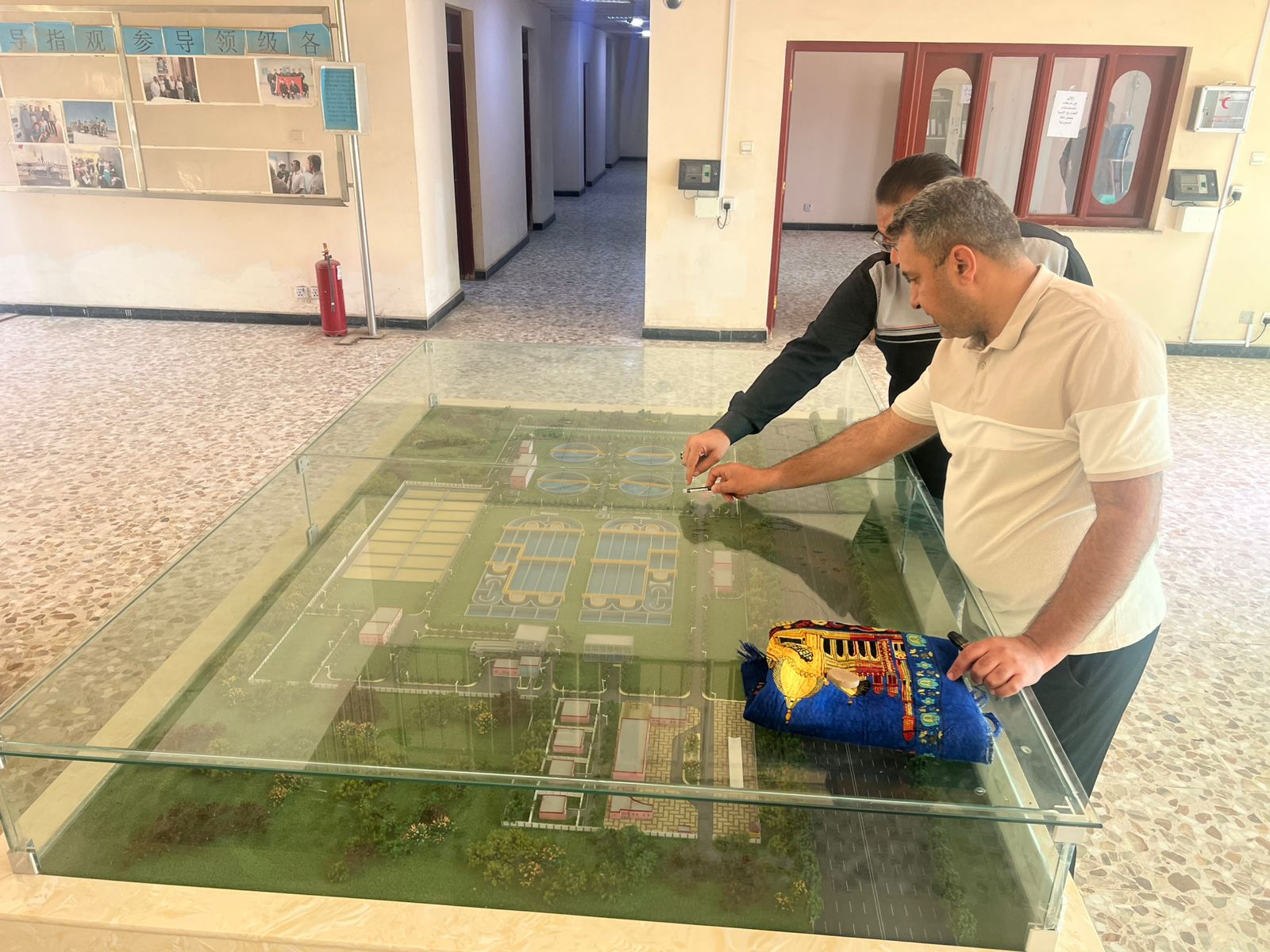
Benchmarking & Capacity Assessment: Documenting and reviewing current operational practices and sanitation performance across the Anbar, Babylon, and Karbala governorates; assessing the institutional strengths and weaknesses of the Directorate of Sewerage (DoS) in preparation for operating the new infrastructure
Capacity Building & Training: Delivering targeted training for DoS staff in GIS software, preventive maintenance, and sanitation system monitoring and reporting; conducting training for Project Management Team (PMT) staff in procurement and monitoring of DB contract (FIDIC Yellow Book or equivalent), covering contractual, financial, and ESHS-aspects
Social Outreach: Implementing a social engagement programme to strengthen community understanding, acceptance, and active participation in the project among both beneficiary and non-beneficiary populations, ensuring long-term sustainability
Technical Component
Inception & Data Collection: Reviewing current local wastewater management practices; collecting and consolidating boundary data for the project area
Wastewater Monitoring: Collecting field data on wastewater flow rates and composition through laboratory sample testing to inform design
Conceptual Design & Tender Documents: Consolidating selected scenarios for wastewater collection and rainwater drainage; preparing conceptual designs at a level of detail sufficient for CAPEX and OPEX estimation; developing work packages and tender documentation based on the DB approach (FIDIC Yellow Book)
Environmental & Social Impact Assessment (ESIA): Updating the ESIA in line with AFD standards and local regulatory requirements
Tendering Support: Providing technical assistance to the PMT throughout the tendering process for construction works
Construction Supervision: Supervising construction works and monitoring contractor performance throughout the Defects Notification Period (DNP)
Impact
Universal sanitation access: Upon completion, the project will deliver the city of Al Khalidiya's first-ever formal sanitation infrastructure, providing safe wastewater collection and treatment services to a projected population of 113,000 by 2042.
Environmental protection: Ending the direct discharge of untreated wastewater and rainwater into the Euphrates River and the Al Theban channel, substantially reducing water pollution and associated ecological risks in a strategically important river basin.
Institutional strengthening: Structured capacity-building for the Directorate of Sewerage will equip the operator to manage, maintain, and monitor the new systems independently, ensuring long-term operational sustainability beyond project completion.
Climate and public health resilience: Improved rainwater drainage infrastructure will reduce urban flooding risk and the associated health and economic burdens, strengthening the city's resilience to increasingly volatile rainfall patterns in the region.
Contributing to the UN Sustainable Development Goals
We are committed to making a positive impact and supporting the UN Sustainable Development Goals (SDGs). This project contributes to the following SDGs:
Project Images
Enlarge image
 Enlarge image
 Enlarge image
 Enlarge image
 Enlarge image
 Enlarge image