Restorative Peace and Justice in Support of the Peace Process in Colombia
Colombia's decades-long armed conflict has left deep social wounds: over 9.8 million registered victims1, more than 132,000 forcibly disappeared persons2 and communities fractured by violence. Rebuilding trust, dignity, and social cohesion requires not only political agreements but sustained, technically grounded support for restorative justice and reconciliation at the grassroots level. Despite the landmark 2016 Peace Agreement, implementation gaps persist across regions where conflict legacies are most acute.
Commissioned by GIZ under the German Development Cooperation's PazSostenible programme and financed by BMZ, the Paz Restaurativa – Paz y justicia restaurativa en apoyo al proceso de paz en Colombia project provides targeted technical and operational services to advance Colombia's peace process. The project strengthens the capacity of both state institutions and civil society actors to implement restoration, reparation, and non-repetition processes across four priority regions: Meta, Caquetá, Norte de Santander, and Valle del Cauca.
Working in close coordination with the GIZ Team and its counterparts, including Special Jurisdiction for Peace (JEP) and the Search Unit for Disappeared Persons (UBPD), Dorsch Impact and its partner COMO Consult GmbH apply Do-No-Harm and Leave No One Behind (LNOB) principles throughout the assignment. Across both work packages, the team integrates a contextualised, intersectional, and life-cycle gender approach with a particular focus on women, youth, and ethnic communities.
Disciplines
- Governance, Peace and Social Cohesion
Client
Deutsche Gesellschaft für Internationale Zusammenarbeit (GIZ) GmbH, funded by BMZ
Duration
From 2026 to 2027
Location
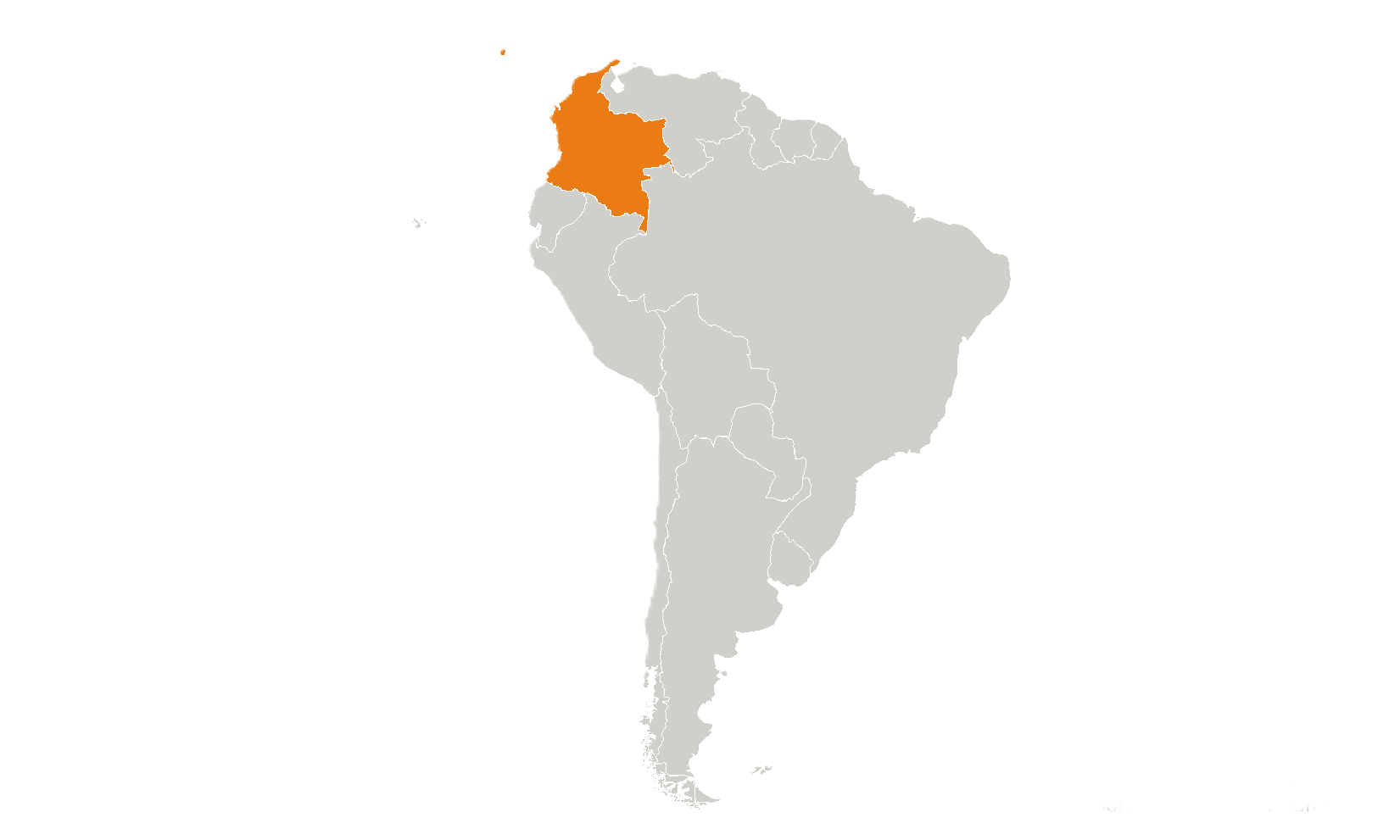
Colombia
Project Activities
Work Package 1: Restoration and Search
- Supporting the design, implementation, and coordination of restorative processes between clearing participants, victims' networks, and third-party actors
- Facilitating community-led mechanisms to address collective reparation needs and foster sustainable reconciliation. Providing technical resources, including DNA identification kits, to improve the efficiency and dignity of the search for disappeared persons
- Designing and delivering virtual and in-person exchange spaces to strengthen practitioner networks and disseminate lessons learned
- Documenting potential restorative measures and systematising psychosocial support offers across priority regions
Work Package 2: Culture of Peace
- Identifying and piloting pedagogical models for violence prevention, targeting youth and women in conflict-affected communities
- Accompanying the development of coordination mechanisms between civil society organisations active in peace education
- Integrating psychosocial support as a cross-cutting quality safeguard across all interventions
- Piloting and scaling up approaches for a culture of peace and non-violent conflict resolution within regional educational and cultural systems
Impact
- Restorative Reparation and Healing: By centring on the psychosocial well-being of participants, the project contributes to true closure, personal healing, and the restoration of dignity for individuals and their communities. It also directly contributes to Colombia's national peace indicators, supporting the recognition of persons who engage in restorative reparation measures under the Peace Agreement.
- Truth and memory: By facilitating truth-establishing processes and supporting memory documentation, the project strengthens the non-repetition pillar of Colombia's transitional justice framework.
- Institutional capacity: Close collaboration with the JEP and UBPD reinforces key transitional justice institutions, improving their operational reach in underserved regions.
- Community resilience: Through the Culture of Peace work package, pedagogical models for violence prevention are piloted and embedded in local educational and cultural systems, contributing to long-term social cohesion.
- Inclusive participation: A systematic focus on women, youth, and ethnic groups, guided by LNOB and do-no-harm principles, ensures that the most marginalised communities are active participants in, and beneficiaries of, Colombia's peace process.
Contributing to the UN Sustainable Development Goals
We are committed to making a positive impact and supporting the UN Sustainable Development Goals (SDGs). This project contributes to the following SDGs: