
Programme Promotion de la Compétitivité du Secteur Privé (ProComp)
Togo's agricultural sector is central to the country's economy and food security, yet smallholder farmers and agricultural organisations continue to face persistent structural challenges: weak governance, limited access to markets, insufficient organisational capacity, and underdeveloped value chains. Interprofessional organisations (IPs), the bodies that bring together producers, processors, and traders along key agricultural value chains, have historically lacked the tools, resources, and institutional frameworks needed to function effectively and advocate for their members.
The Programme Promotion de la Compétitivité du secteur privé (ProComp) - Dispositif de coaching des interprofessions ananas, mangue et soja au Togo afin de renforcer leur fonctionnalité (Promotion of Private Sector Competitiveness) directly addresses these gaps. Co-financed by the European Union and Germany's Federal Ministry for Economic Cooperation and Development (BMZ), and implemented by the Deutsche Gesellschaft für Internationale Zusammenarbeit GIZ GmbH, ProComp supports Togo's agri-food transformation agenda under its Component 1: Improving access to raw materials, intermediate goods, and inputs. The project aligns with Togo's national action plan for agri-food systems transformation and contributes to the 2030 Agenda for Sustainable Development.
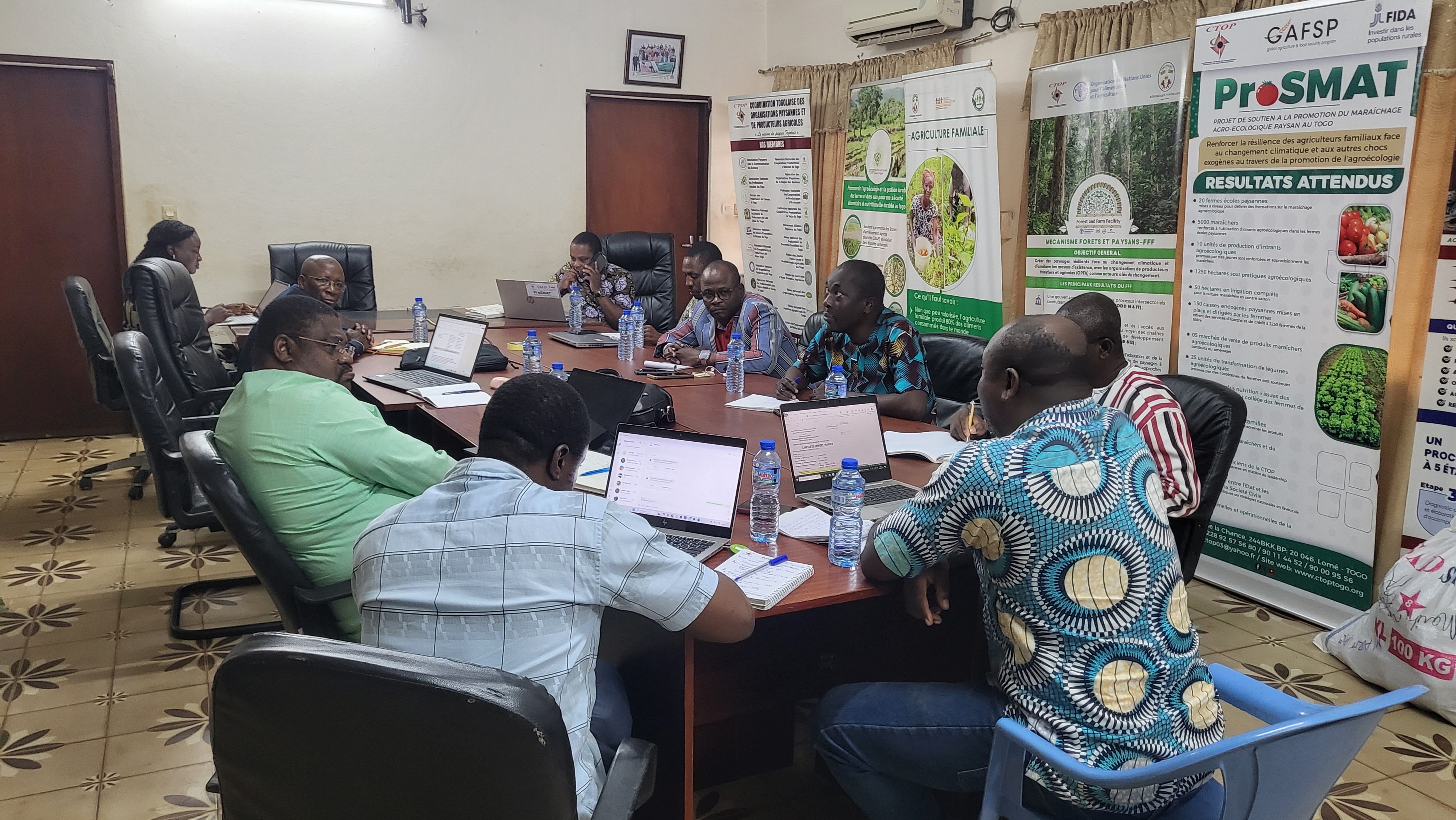
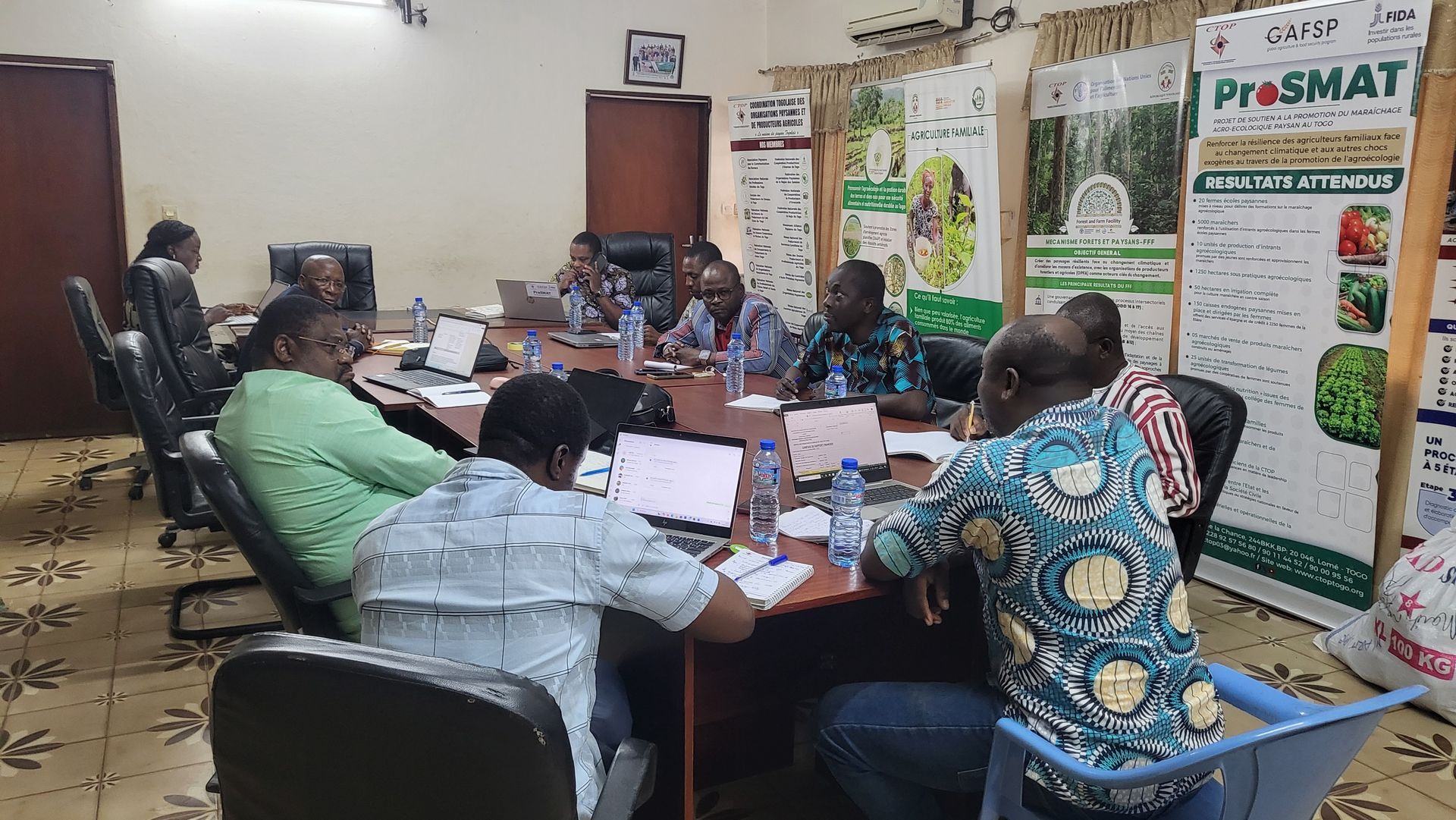
Dorsch Impact is responsible for delivering coaching and capacity-building services to interprofessional organisations operating in the pineapple, mango, and soybeans value chains, strengthening organisational governance, developing business models, and fostering sustainable public-private partnerships in Togolese agriculture.
Areas of Expertise
- Agriculture and Irrigation
- Skills and Economic Development
- Governance, Peace and Social Cohesion
Client
Deutsche Gesellschaft für Internationale Zusammenarbeit (GIZ) GmbH, co-financed by BMZ and EU
Duration
From 2025 to 2027
Location
Togo
Project Activities
Institutional Component: Organisational Governance & Cooperation Strategies
- Supporting interprofessional organisations (IPs) and their member families in improving governance structures, clarifying roles and responsibilities, and strengthening leadership capacity
- Developing inclusive and transparent decision-making processes to enhance organisational empowerment
- Facilitating structured dialogue between stakeholders and supporting the establishment of interprofessional agreements
- Supporting the updating of regulations that govern relationships between sector actors
- Conducting development and consolidation of individual IP development plans
- Raising awareness and sharing experiences on agricultural cooperation, planning, and the interprofessional system, including concrete case studies on sectoral negotiations, public policies, and cooperation between families, the State, and the private sector
Technical Component: Business Models, Financing & Public-Private Partnerships
- Identifying and designing innovative business models tailored to the specific needs and economic opportunities of each IP
- Supporting IPs in drafting project proposals to access public and private funding sources, including grants and investment funds
- Identifying innovative financing mechanisms and strengthening IP capacity in resource mobilisation and financial management
- Strengthening the technical and organisational capacity of IP executive committees to manage advocacy effectively
- Initiating actions to modify or reinforce the political and regulatory framework for sector development
- Supporting IPs in developing well-documented proposals for dialogue with public authorities and facilitating consultation rounds leading to programme contracts
- Promoting and strengthening links between actors at different stages of the value chains, improving both internal and external IP governance
Impact
- Strengthened agricultural organisations: Interprofessional organisations in Togo's priority value chains for pineapple, mango, and soybeans are equipped with functional governance structures, development plans, and operational capacity, enabling them to deliver sustained economic services to producers.
- Improved market access for smallholders: Producer organisations, agricultural cooperatives, and agri-food companies are better positioned to facilitate producers' access to national, regional, and international markets.
- Increased competitiveness along key value chains: The project directly contributes to improving agricultural productivity, profitability, and output, strengthening the economic position of smallholder farmers across targeted value chains.
- Enabling environment for private sector growth: By promoting public-private partnerships and supporting the development of programme contracts between IPs and public authorities, the project contributes to a more enabling policy and regulatory environment for agribusiness in Togo.
- Contribution to national and global development frameworks: Activities are aligned with Togo's national agri-food transformation plan and the 2030 Agenda, ensuring long-term relevance and integration into broader sustainable development objectives.
Contributing to the UN Sustainable Development Goals
We are committed to making a positive impact and supporting the UN Sustainable Development Goals (SDGs). This project contributes to the following SDGs:

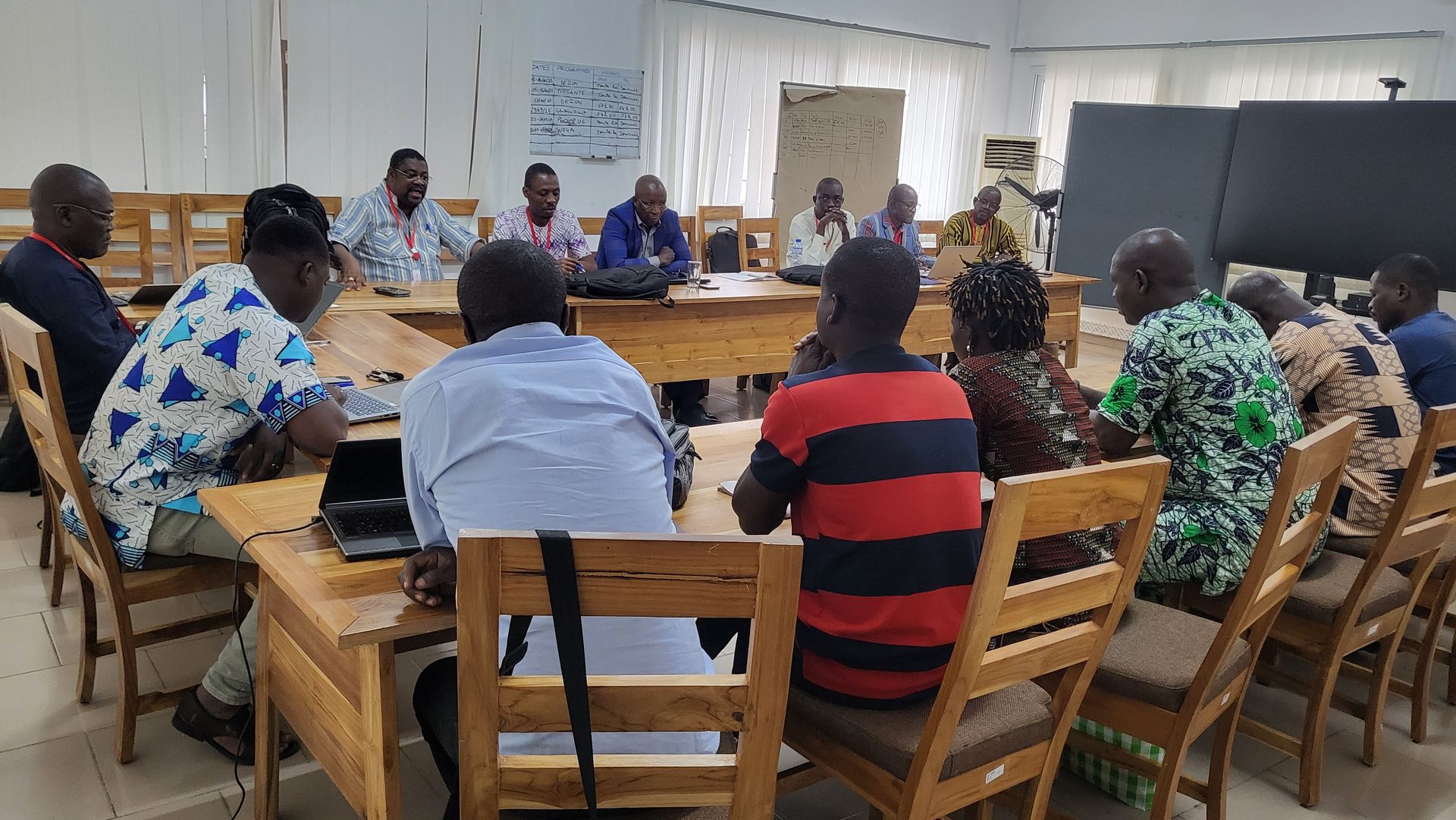
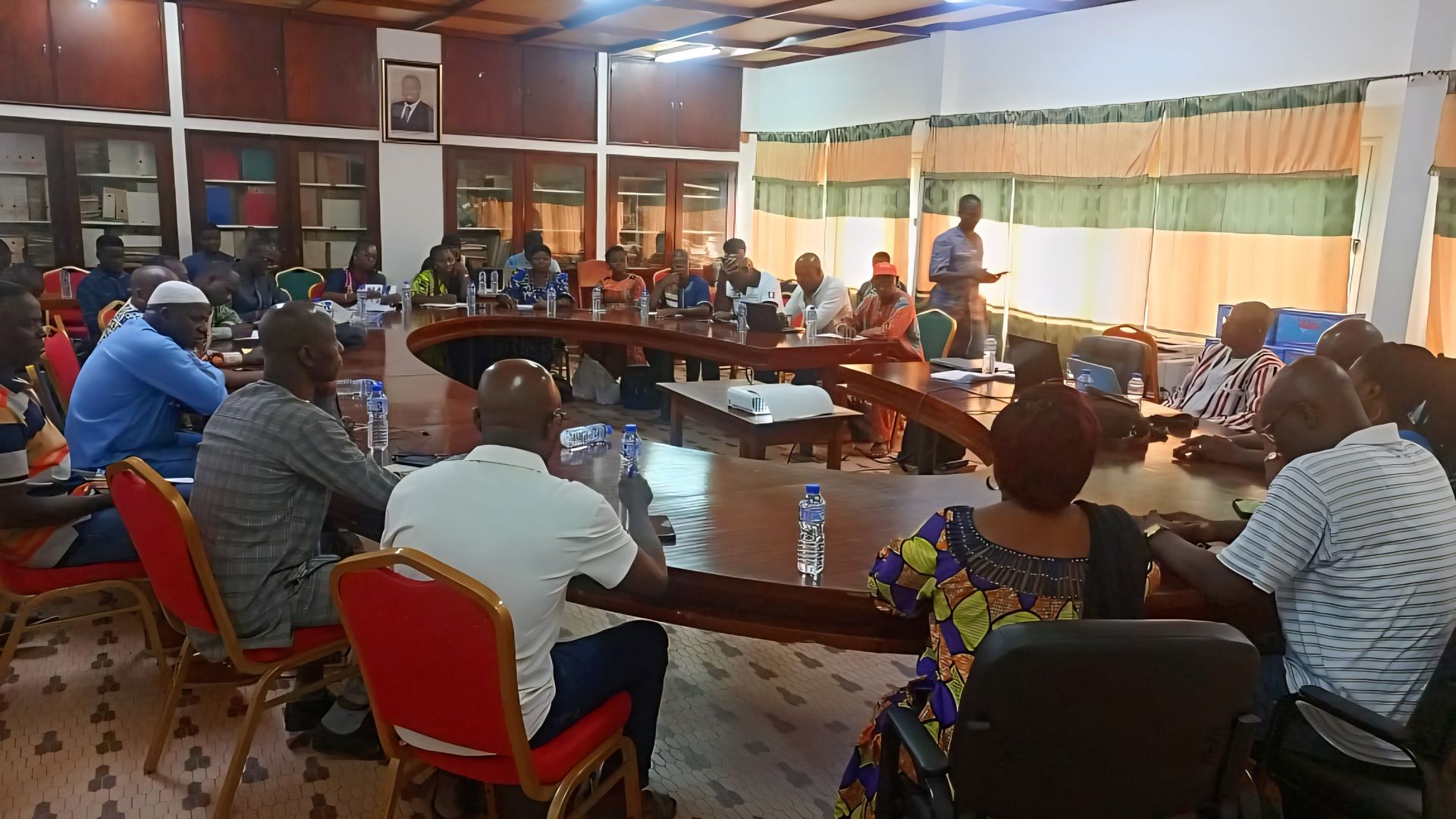
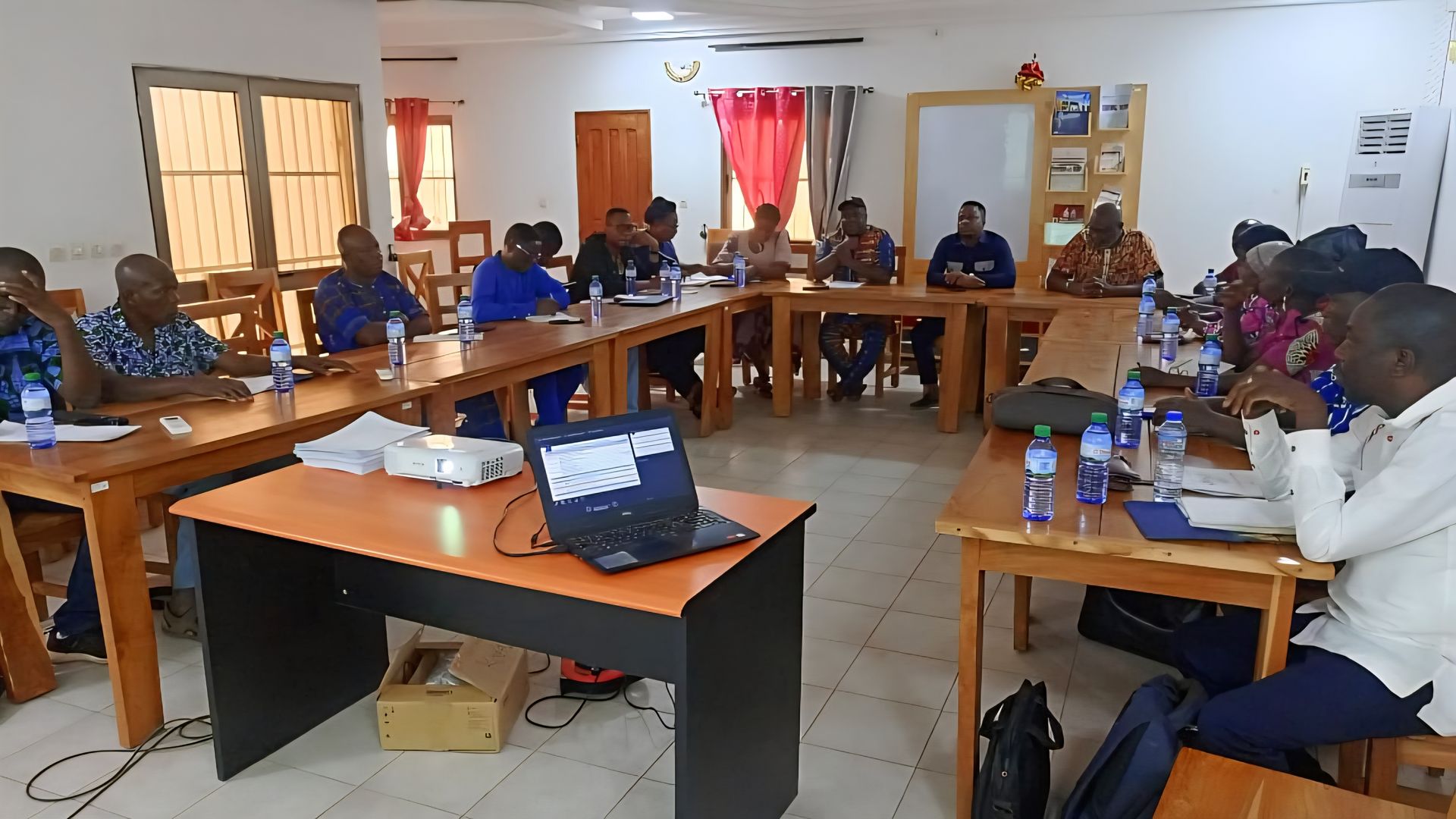
Project Images
 Enlarge image
 Enlarge image
 Enlarge image
 Enlarge image