Comply with the OECD Standards: Governance with Integrity
Peru is pursuing accession to the Organisation for Economic Co-operation and Development (OECD), a landmark policy ambition that requires deep reforms across public administration, anti-corruption frameworks, and governance standards. Despite significant progress, key structural gaps persist: integrity systems remain inconsistent across government levels, corruption risks are inadequately managed, and institutional capacities to deliver transparent, citizen-oriented services require targeted reinforcement.
This Complementary Measure directly supports the overarching KfW-financed programme "Comply with the OECD Standards: Governance with Integrity", commissioned by the German Federal Ministry for Economic Cooperation and Development (BMZ). Working in close alignment with Peru's national reform agenda, the project provides timely, expert consultancy to the Peruvian Government (Presidency of the Council of Ministers of Peru and the Ministry of Economy and Finance of Peru) to strengthen the institutional and structural conditions required for OECD compliance. The programme's central objective is that all three levels of government operate in a transparent, efficient, and citizen-oriented manner. This is pursued through institutional strengthening, capacity building, process redesign, and the development of open government and communication mechanisms.
Disciplines
- Governance, Peace and Social Cohesion
- Skills and Economic Development
Client
Funded by KfW Development Bank
Duration
From 2025 to 2026
Location
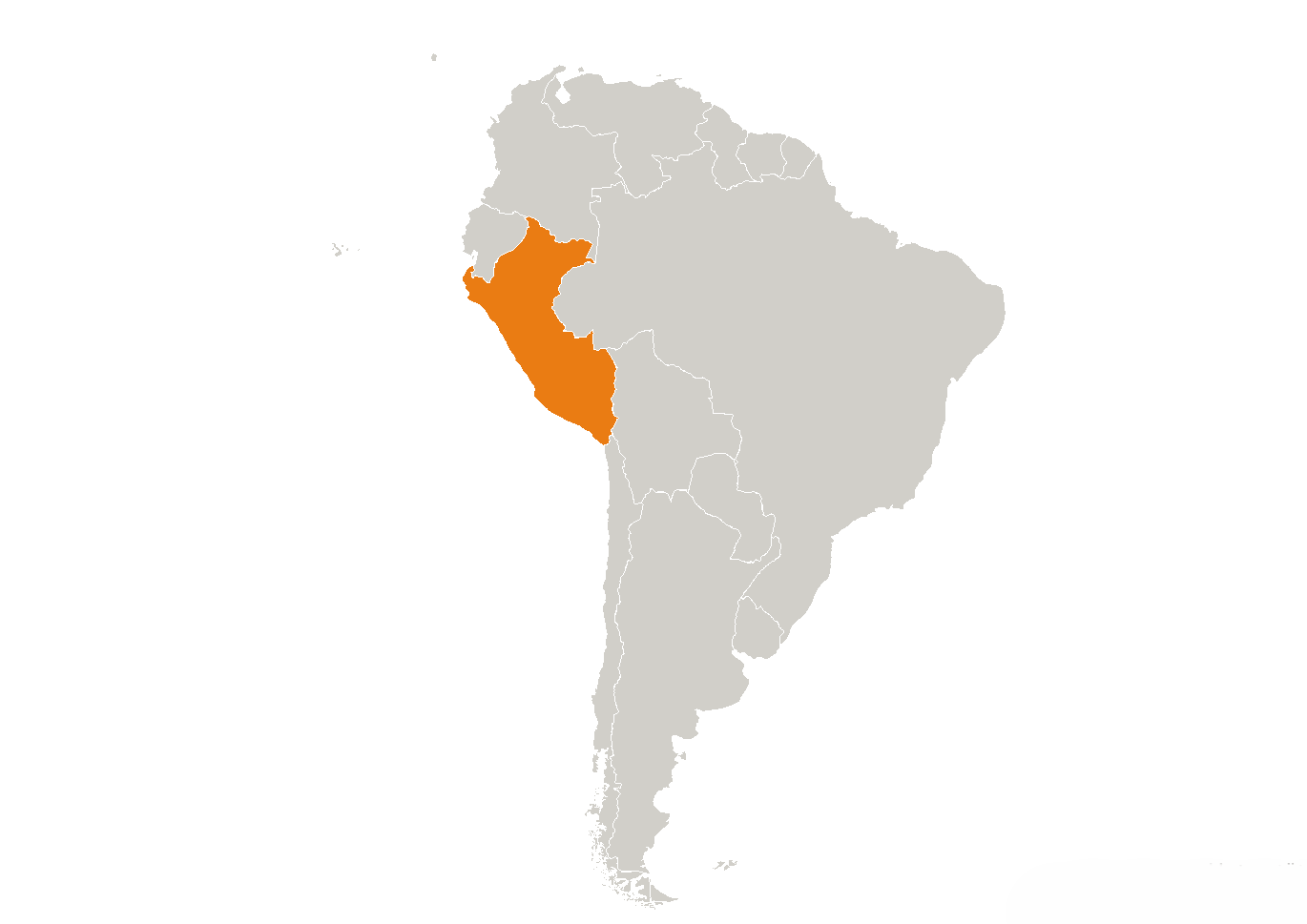
Peru
Project Activities
Dorsch Impact, in cooperation with its local partner CEDEPAS, contributes to the following pillars of the programme:
Pillar 1 – Building an Integrity System for Better Governance
- Standardising evaluation tools for the Public Integrity Model;
- Designing economic and non-economic incentive mechanisms;
- Developing an integrity communication strategy;
- Building a digital conflict-of-interest management platform;
- Updating the National Anti-Corruption Policy to 2040 (with a gender-sensitive approach);
- Designing a training programme for senior public officials.
Pillar 2 – Evidence-Based Decision-Making and Regulatory Information Systems
- Design of the Regulatory Improvement Observatory (digital platform)
- Design of a digital platform for the development of the Public Consultation in the regulatory production process
Pillar 5 – Territorial and Regional Development
Preparing 15 business plans and 15 strategic studies for prioritised production chains managed by Regional Development Agencies (ARDs), alongside an institutional assessment to inform future capacity strengthening.
Pillar 7 – Tax Governance and BEPS Compliance
Formulating a policy proposal to align Peru's transfer pricing regulations with OECD’s Base Erosion and Profit Shifting (BEPS) framework.
Impact
- Strengthened anti-corruption architecture: The project directly advances Peru's National Policy on Integrity and the Fight against Corruption to 2040, embedding OECD-aligned standards into public institutions across all three levels of government.
- Enhanced institutional capacity: Tailored training programmes and standardised integrity evaluation tools equip senior public officials with the competencies needed for transparent, accountable governance.
- Improved regulatory and digital infrastructure: New digital platforms for conflict-of-interest management, regulatory consultation, and decision-support systems lay the foundation for evidence-based public administration.
- Regional economic development: Fifteen business plans and strategic studies for prioritised production chains support inclusive territorial development and strengthen the operational effectiveness of Regional Development Agencies.
- OECD accession readiness: By addressing compliance gaps across integrity, fiscal governance, and public management reform, the project makes a measurable contribution to Peru's structured path towards full OECD membership.
Contributing to the UN Sustainable Development Goals
We are committed to making a positive impact and supporting the UN Sustainable Development Goals (SDGs). This project contributes to the following SDGs: