Cash for Work Light Rehabilitation Measures in Northern Lebanon
Lebanon has been experiencing a prolonged political, social, and economic crisis since 2019, with income levels and employment opportunities declining significantly across the country. Approximately three quarters of the population now lives in poverty, placing particular strain on already vulnerable groups including women, young adults, people with disabilities, and refugee communities.
Lebanon hosts more refugees relative to its population than any other country in the world, primarily from Syria, and the resulting pressure on public services and local labour markets has heightened tensions between host communities and refugees in many areas. In northern Lebanon and Akkar, these dynamics are especially pronounced, limiting access to income, skills development, and participation in local planning processes.
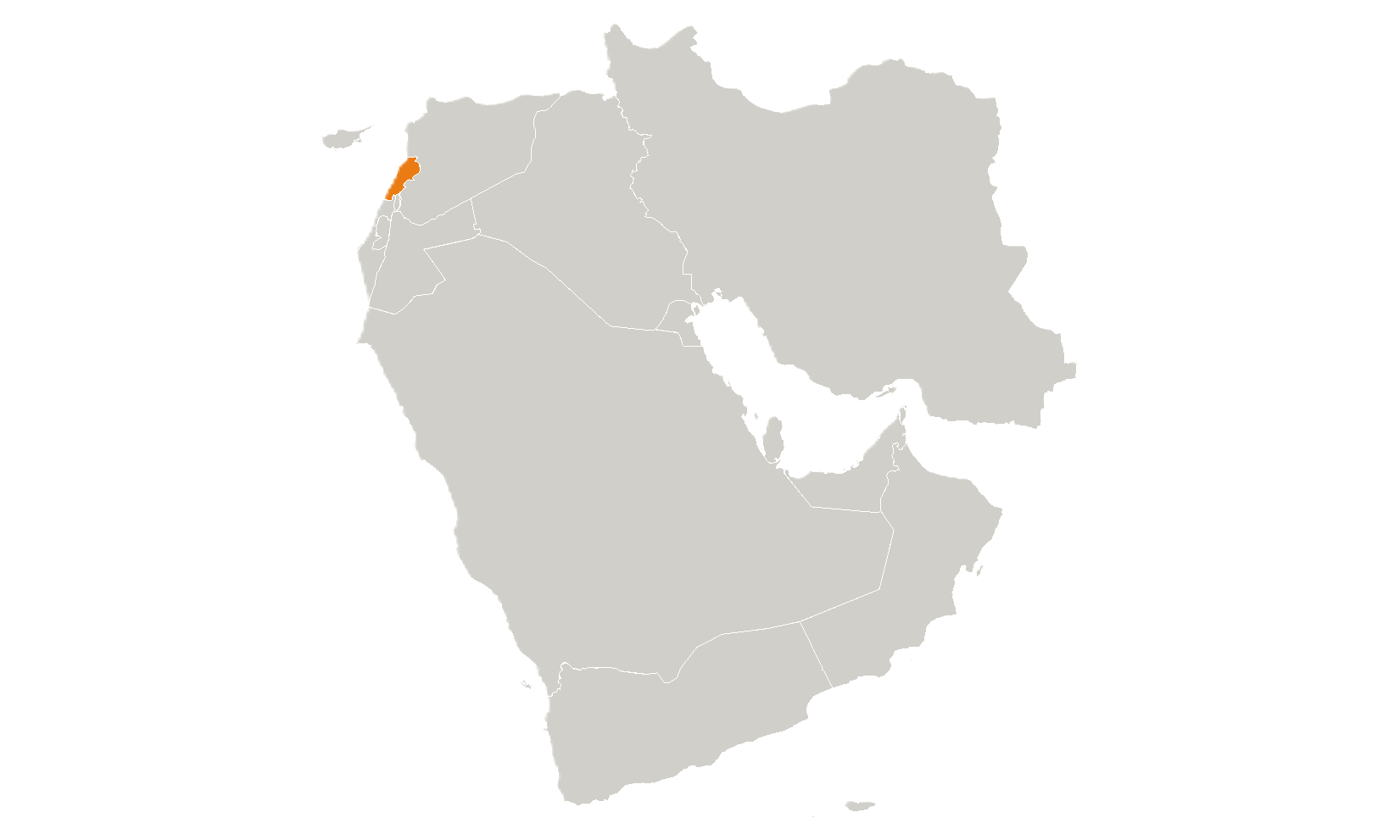
Dorsch Impact is implementing the Cash for Work light rehabilitation measures in Northern Lebanon component of the GIZ Support of disadvantaged peripheral neighbourhoods through cash for work measures in Lebanon – Cash for Work in Lebanon (C4WL) programme. Operating across targeted municipalities in Akkar and North Lebanon, agreed in coordination with Lebanon's Ministry of Social Affairs (MoSA), Dorsch Impact delivers an integrated, community-centred approach that combines temporary employment with non-formal vocational and life-skills training, and supports the establishment of inclusive local planning and steering mechanisms.
Disciplines
- Skills and Economic Development
- Municipal Infrastructure
- Governance, Peace and Social Cohesion
Client
Deutsche Gesellschaft für Internationale Zusammenarbeit (GIZ) GmbH, funded by BMZ
Duration
From 2026 to 2027
Location
Lebanon
Project Activities
Employment and Vocational Training Component (WP-1)
- Designing and adapting Cash for Work (CfW) implementation tools, templates, and standardised vulnerability assessment criteria in line with GIZ C4WL guidelines
- Conducting outreach and applicant information sessions in each targeted community, incorporating protection messaging, PSEA measures, and gender inclusion principles
- Administering vulnerability assessments and scoring for all applicants, coordinating with municipalities to ensure adherence to gender and nationality target ratios
- Enrolling and managing 1,400 beneficiaries (60% women, 50% Syrian nationals, 10% persons with disabilities) across 40-day paid CfW work cycles
- Delivering non-formal vocational and life-skills training at the start of each CfW cycle, covering work ethics, labour rights, safety, and basic technical skills (e.g. plastering, gardening, painting)
- Supervising day-to-day CfW work implementation, ensuring decent work standards, site safety protocols, PPE compliance, and disaggregated monitoring and reporting
Participatory Planning and Governance Component (WP-2)
- Establishing six inclusive local Planning and Working Groups (WGs), one per targeted village, comprising municipal representatives, local private sector actors, public sector staff, community organisations, and Syrian refugee representatives, with a minimum of 30% women
- Training WG members on community SWOT analysis, local needs prioritisation, and CfW intervention selection criteria
- Supporting WGs in designing and approving light rehabilitation interventions that are accessible to unskilled labour, inclusive of women and persons with disabilities, and generate lasting community assets
- Facilitating monthly WG coordination meetings to ensure community feedback, accountability, and conflict-sensitive implementation
- Conducting leadership and stakeholder mapping to ensure inclusive and representative community engagement
Gender Inclusion (Cross-Cutting)
Actively promoting women's participation through targeted outreach, coordination with women-focused civil society organisations, and explicit minimum quota requirements throughout recruitment and planning processes
Impact
- Direct income support for 1,400 vulnerable people: Participants (60% women, 50% Syrian nationals, and 10% persons with disabilities) receive paid employment across 40-day CfW cycles, providing immediate economic relief to some of Lebanon's most marginalised households.
- Skills and employability: All participants receive non-formal vocational and life-skills training, equipping them with basic technical competencies and strengthening longer-term labour market prospects.
- Strengthened community governance: Six local Planning and Working Groups are established and capacitated across targeted villages, embedding participatory, transparent, and conflict-sensitive approaches to community planning and rehabilitation.
- Inclusive community assets: Light rehabilitation works designed with and approved by local communities generate durable public assets that benefit both host communities and refugee populations beyond the project period.
Contributing to the UN Sustainable Development Goals
We are committed to making a positive impact and supporting the UN Sustainable Development Goals (SDGs). This project contributes to the following SDGs: