Dorsch Impact/OPM Conduct Three New MAF Project Evaluations

| News

The new mid-term evaluations in Guatemala, South Africa and Mongolia offer critical insights into the progress, challenges, and transformational potential of Mitigation Action Facility-funded climate mitigation projects. Dorsch Impact, in partnership with Oxford Policy Management (OPM), has successfully completed these three new Evaluation and Learning Exercises (ELEs) commissioned by the Mitigation Action Facility (MAF), formerly known as the NAMA Facility, bringing the total up to 26 evaluations since 2019.

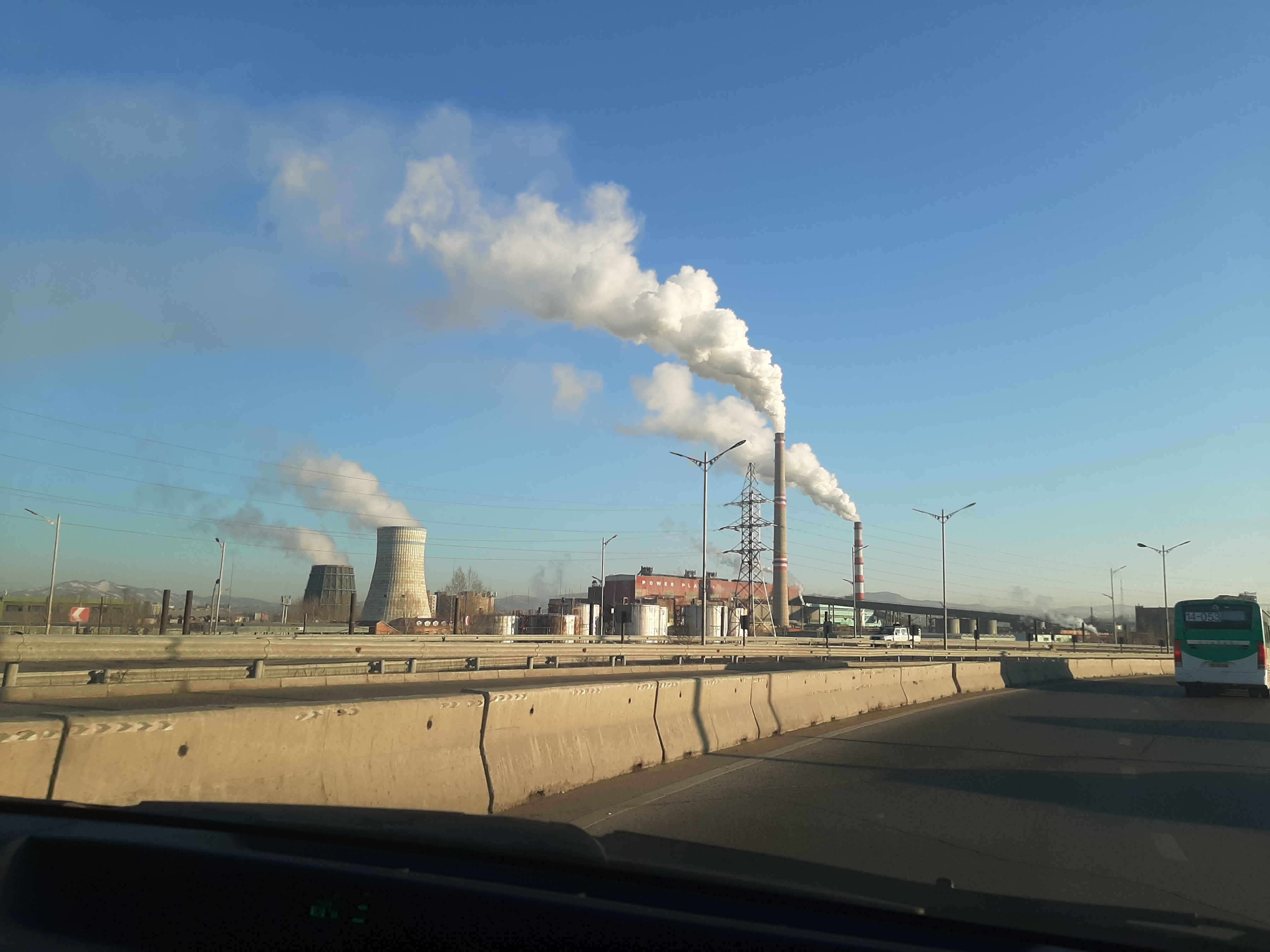
Smoking chimneys in a concrete landscape under a blue sky.
Ulaanbataar during an expert visit. © Davita Steinemann

A Global Learning Assignment for Climate Impact

Under a comprehensive assignment from the Technical Support Unit of the Mitigation Action Facility, the Dorsch Impact–OPM consortium is responsible for conducting 37 independent evaluations of MAF-supported projects worldwide, including both mid-term and final ELEs. The consortium has also prepared the Theoretical Framework that guides all evaluations, ensuring a consistent, evidence-based approach to capturing results, lessons and pathways toward transformational change.
At OPM, we’re drawing on our longstanding experience in public policy reform and evidence-based evaluation to ensure that each evaluation delivers actionable learnings,

says Estefanía Vélez Vasco, the responsible Project Manager at OPM.  "In the Global South, advancing climate mitigation alongside adaptation is vital – not only to reduce emissions, but to strengthen local resilience and development pathways that protect people and livelihoods.”

The evaluations conducted to date span a wide range of sectors such as energy efficiency, renewable energy, agriculture, waste management, circular economy and many more, reflecting the Facility’s focus on practical decarbonisation strategies in developing and emerging economies.

Each evaluation is an opportunity to better understand what drives transformational change. The goal is to help projects – and by extension, their partner countries – translate climate finance into tangible shifts in policy, investment and behaviour.

Luca Petrarulo, Team Lead for the MAF ELEs

Highlights From the Three New 2025 Evaluations

Energy Efficiency in Public Buildings and Infrastructure Programme – South Africa

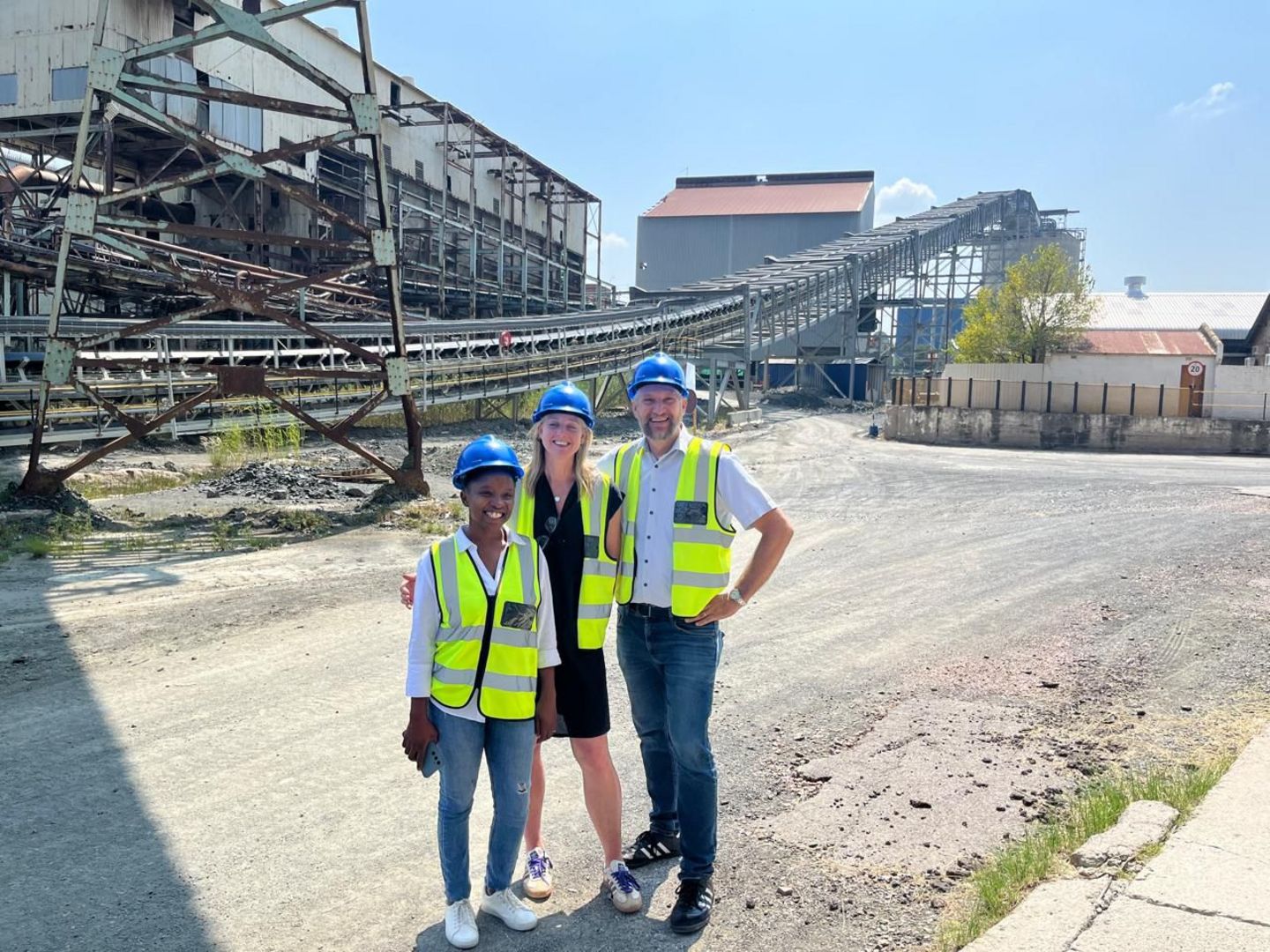
The evaluation found that the programme remains strategically aligned with national energy and climate priorities. Despite delays in the financial component, the project is building crucial capacity within municipalities and institutions to identify and implement bankable energy-efficiency initiatives. It is already influencing broader policy frameworks for government-owned buildings.

Sustainable Cookstoves Project – Guatemala

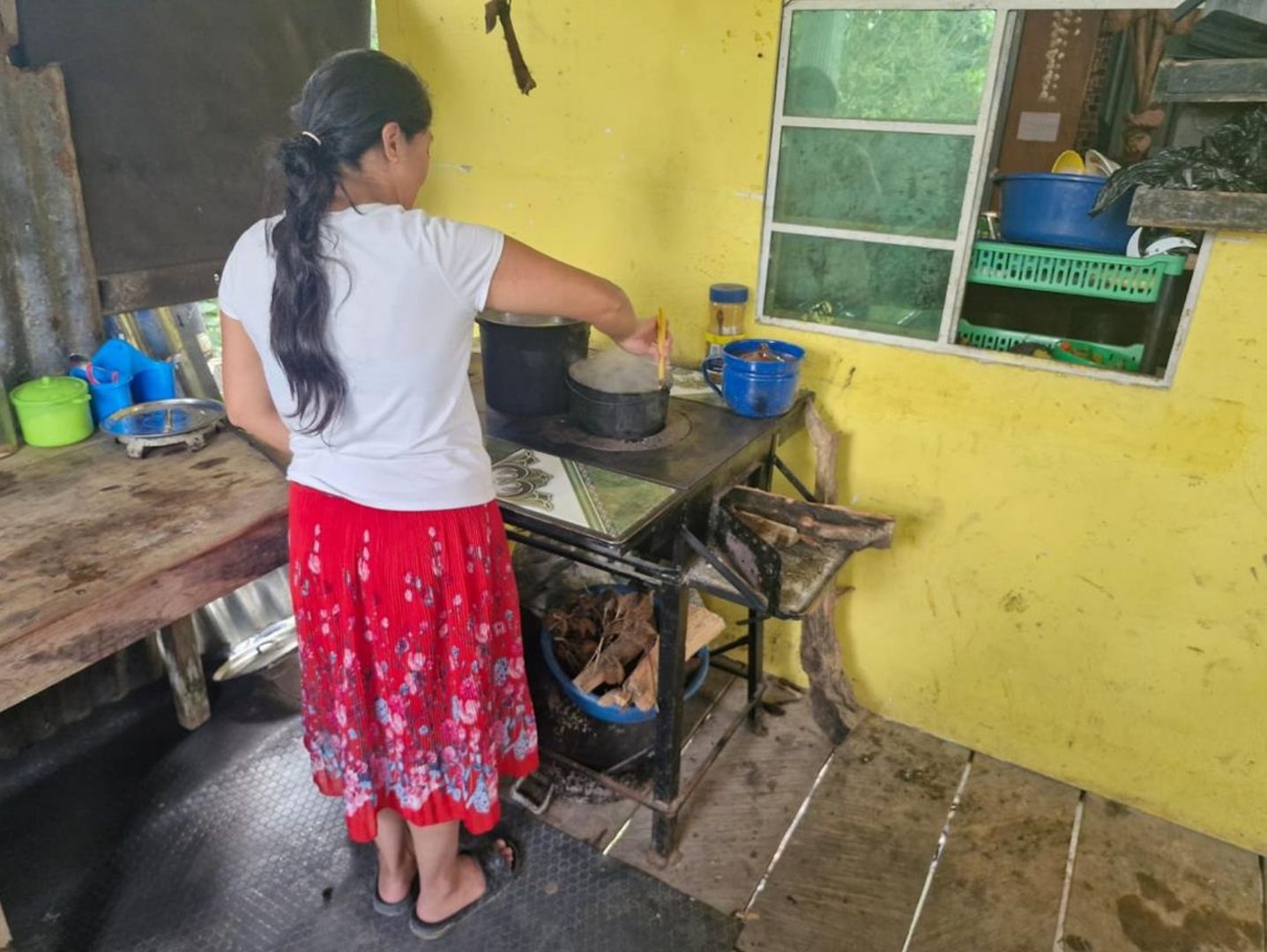
Targeting households’ transition to clean cooking technologies, this project is building the foundation for a market-based approach to improved cookstoves. The ELE highlighted substantial progress in establishing national testing standards and the involvement of local manufacturers. It also recommended stronger institutional coordination and accelerated implementation of financial mechanisms to reach scale.

Energy Performance Contracting for Residential Retrofitting – Mongolia

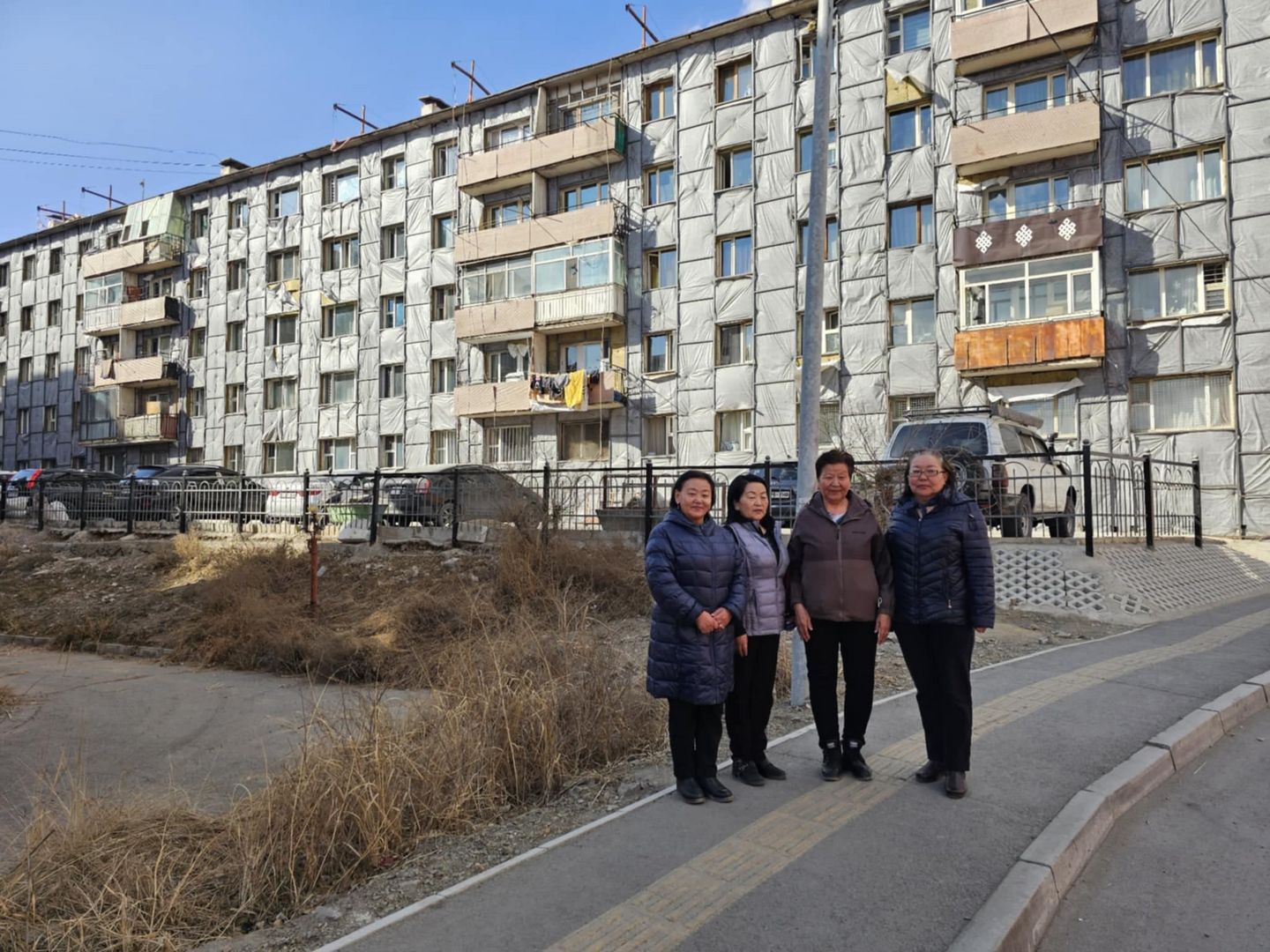
Known as the RePaRe project, this initiative aims to demonstrate large-scale building retrofitting in Ulaanbaatar’s ageing and coal-heated housing stock. “The evaluation highlights strong stakeholder engagement and a solid project design, while also emphasising the importance of swiftly advancing financial mechanisms such as the Building Energy Efficiency Facility (BEEF) to ensure long‑term sustainability and enable meaningful scale‑up,” emphasises Davita Steinemann, Project Manager at Dorsch Impact and one of two Senior International Evaluators conducting the evaluation.

Looking Ahead

Alongside the three completed evaluations, Dorsch Impact and OPM are currently conducting ELEs in Cabo Verde, Honduras, Mexico and Nepal. The lessons emerging from this growing body of knowledge will inform the Facility’s upcoming portfolio of projects and learning studies, feeding into the global dialogue on climate finance effectiveness.

Share

Topics

Climate Action

Author

Related Projects