
Violence Prevention for Peaceful and Inclusive Communities (VPPIC)
South Africa continues to face persistently high levels of violence against children and gender-based violence, driven by structural inequalities, fragmented responsibilities, and uneven service quality across local and provincial governance systems.
The Violence Prevention for Peaceful and Inclusive Communities (VPPIC) project addresses these challenges by strengthening evidence-informed, gender-transformative early violence prevention in care-giving environments for children aged 0–12, with a particular focus on marginalised communities.
Commissioned by the German Federal Ministry for Economic Cooperation and Development (BMZ) and implemented by GIZ in cooperation with the South African Department of Basic Education, VPPIC contributes to improved coordination, implementation quality, and sustainability of violence-prevention approaches. The project aligns with national frameworks such as the Care and Support for Teaching and Learning (CSTL) programme and PAISSA.
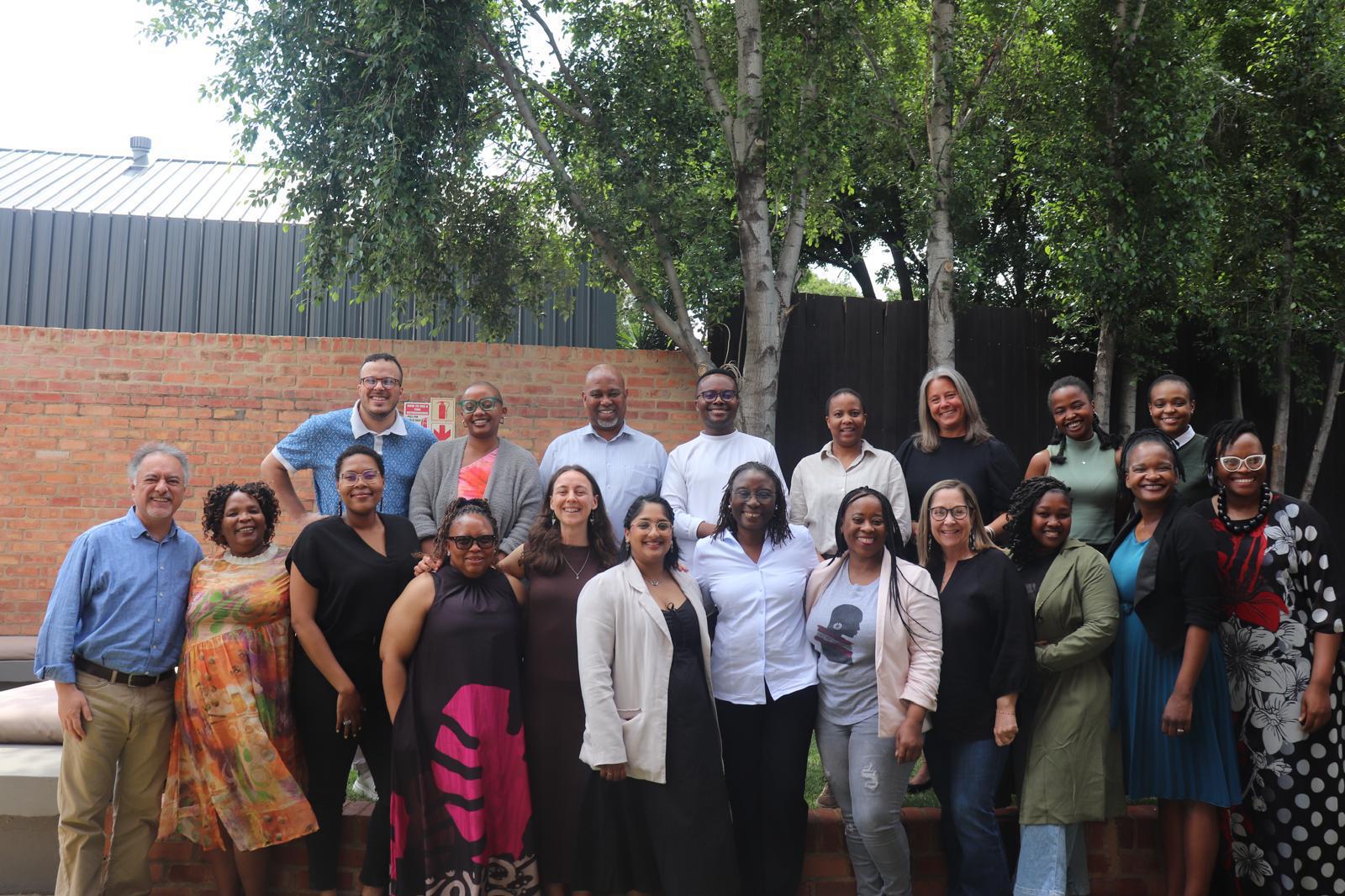
Dorsch Impact is responsible for Output 1: Localised Implementation and Multi-Stakeholder Management in three pilot municipalities: Ekurhuleni, eThekwini, and Rustenburg. In partnership with SAPPIN and local actors, Dorsch Impact designs, operationalises, and manages locally adapted prevention models, coordinates multi-stakeholder processes, and ensures coherence with national policies and project-wide governance structures.
Disciplines
- Governance, Peace and Social Cohesion
Client
Deutsche Gesellschaft für internationale Zusammenarbeit (GIZ) GmbH
Duration
From 2025 to 2027
Location
South Africa
Project Activities
Institutional Component
- Supporting multi‑stakeholder coordination structures in three pilot municipalities
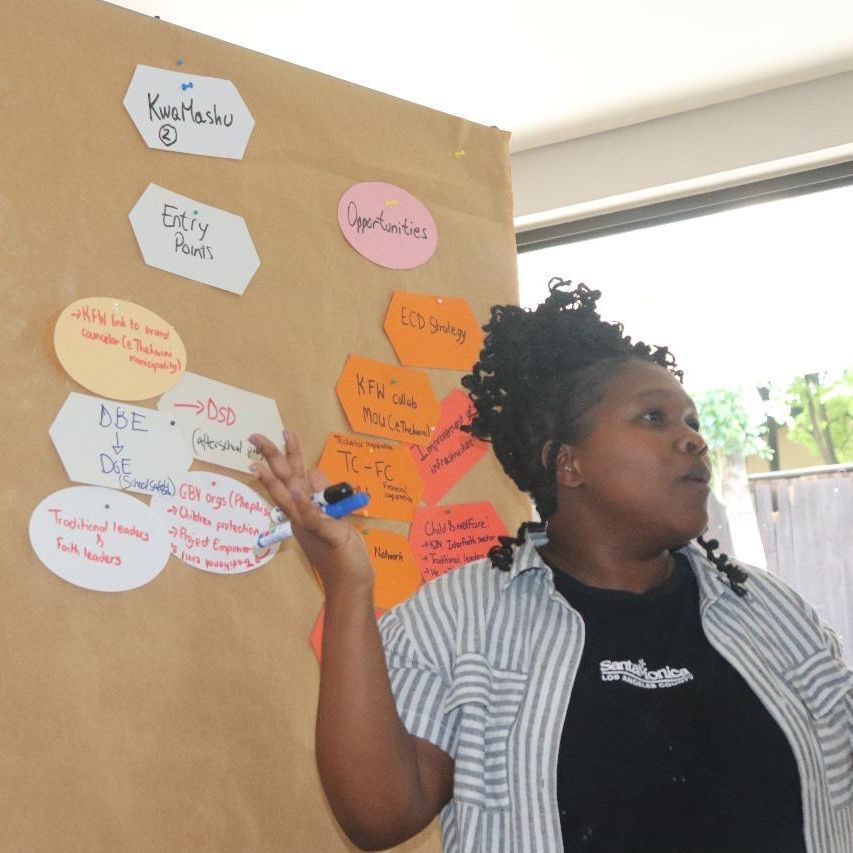
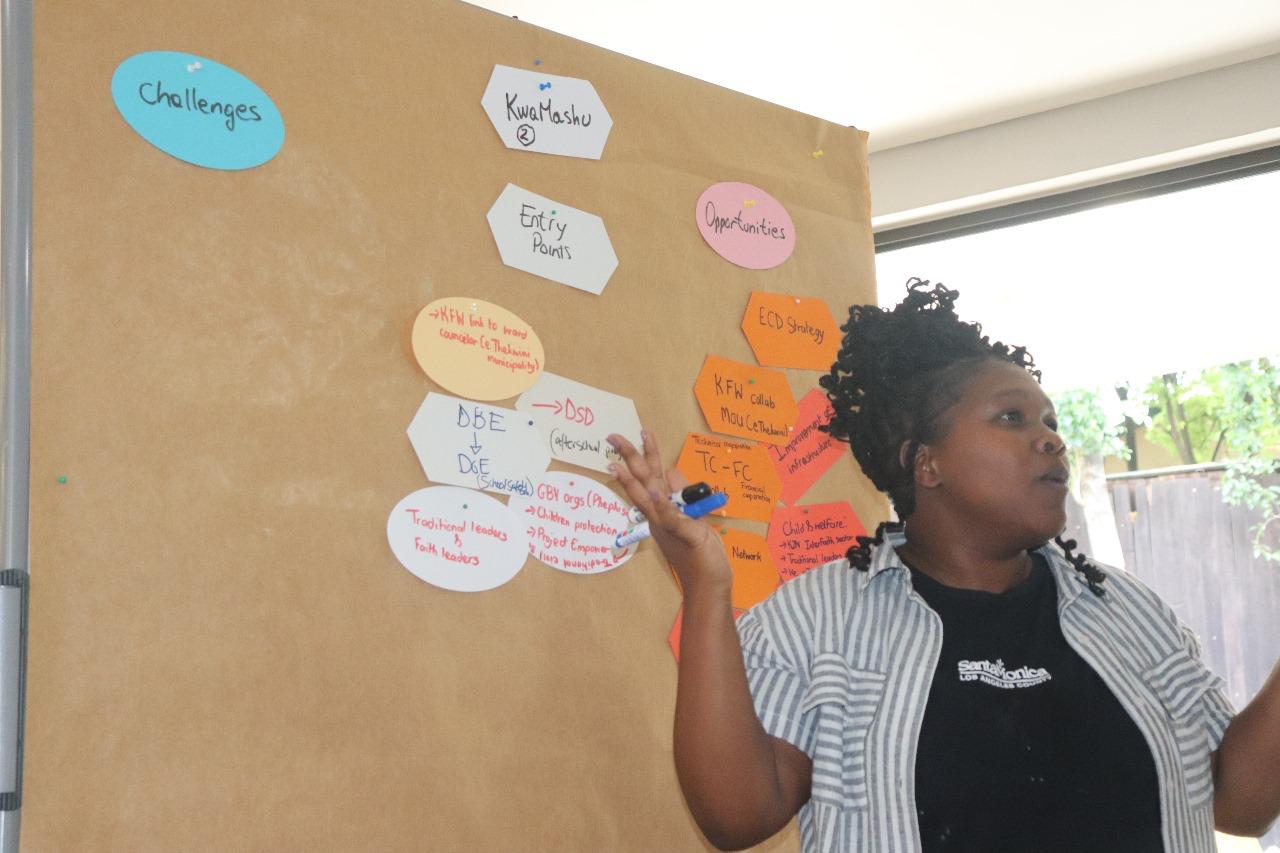
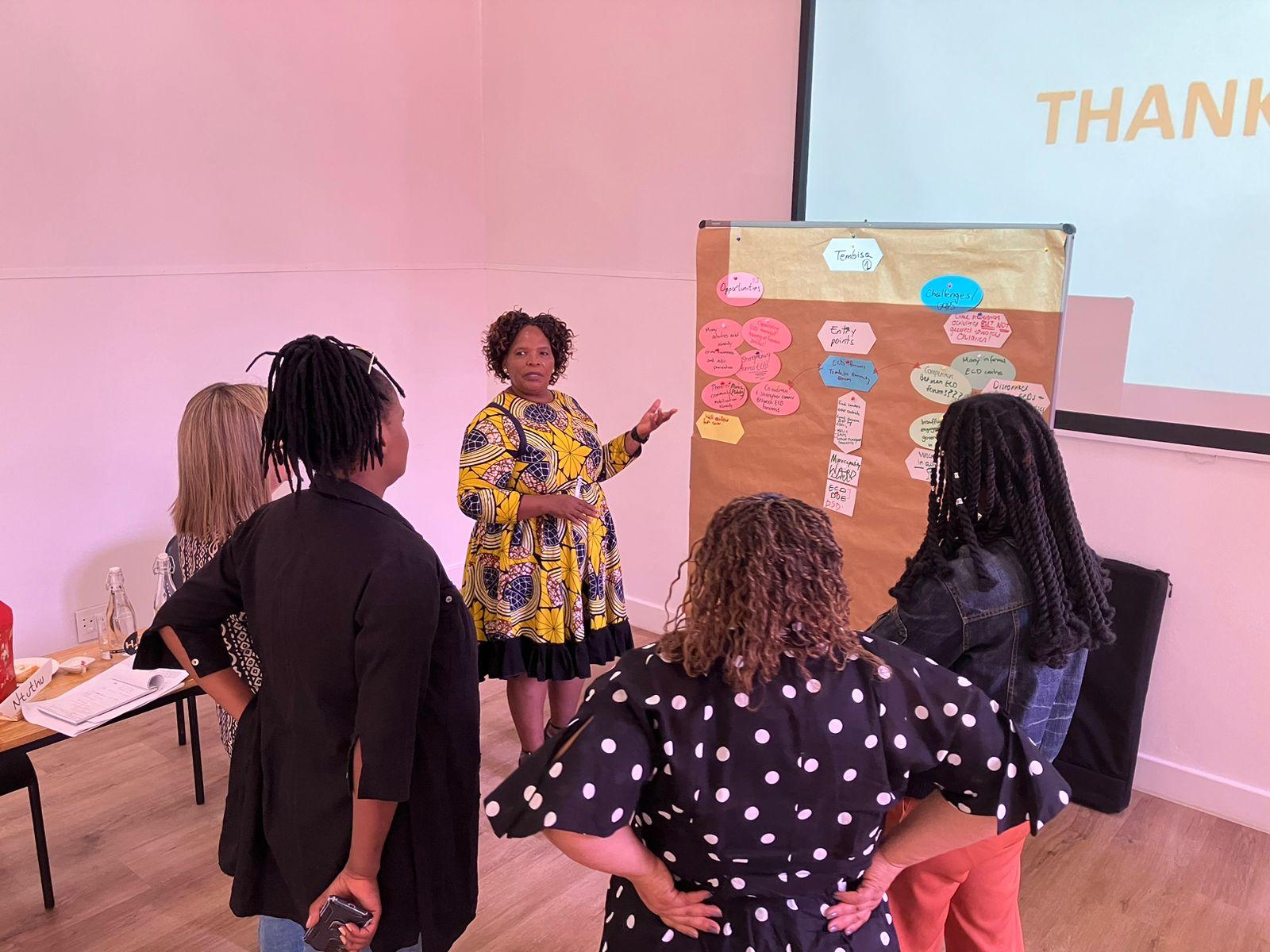
- Facilitating participatory local analyses, dialogue processes and trust‑building between state and civil society actors
- Advising ministries, CSOs and networks on organisational development, sustainable financing models and coordination mechanisms aligned with national frameworks (CSTL, PAISSA)
- Managing compliant administration of local subsidies, including advisory support and monitoring of fund use
Technical Component
- Co‑developing evidence‑informed, gender‑transformative Local Action Plans with clear objectives, activities and responsibilities for each site
- Delivering technical, process and organisational advice to local prevention actors and caregiving institutions
- Providing capacity development through training, mentorship, workshops and mutual‑learning formats on early violence prevention and gender‑responsive caregiving
- Conducting continuous monitoring using aligned KPIs, surveys, focus groups and reporting tools, feeding results into learning loops and evaluations
- Documenting best practices, producing knowledge products, and supporting replication and upscaling efforts across provinces and national structures
Impact
Validated Local Action Plans implemented in all three pilot municipalities
Functional coordination structures improving cooperation between local government, schools, and civil society
Strengthened capacities of community facilitators, educators, and CSOs to apply gender-responsive violence-prevention approaches
Enhanced readiness for scale-up through documented good practices, baseline data, and learning products
Improved systemic capacity and sustainable financing pathways supporting long-term violence-prevention outcomes for children and caregiver
Contributing to the UN Sustainable Development Goals
We are committed to making a positive impact and supporting the UN Sustainable Development Goals (SDGs). This project contributes to the following SDGs:
Project Images
 Enlarge image
 Enlarge image
 Enlarge image
 Enlarge image