TaqatHy+ Audits: Regional Energy Audits & Comparative Assessment of Energy Efficiency Solutions
Algeria faces significant structural challenges in managing its energy consumption. Despite considerable natural resources, the country's energy intensity remains high across key sectors, including buildings, industry, transport, public lighting, and agriculture, underscoring the urgent need for a systematic, data-driven approach to energy efficiency (EE). In response, the Government of Algeria has established the Programme National de Maîtrise de l'Énergie (PNME), originally covering 2015–2030 and updated to the 2025–2035 horizon, as the country's primary framework for achieving measurable reductions in energy use and accelerating its transition towards renewable energies.
Dorsch Impact is supporting the Algerian government in addressing this challenge through a targeted advisory assignment under TaqatHy+, a GIZ-implemented initiative funded by BMZ that aims to strengthen Algeria's socio-economic development through renewable energy, green hydrogen, and energy efficiency.
The Regional Energy Audits & Comparative Assessment of Energy Efficiency Solutions (TaqatHy+ Audits) project is implemented under the TaqatHy+ programme, focussing on conducting regional energy audits and identifying and comparing EE solutions across the key consuming sectors. Working across targeted regions, Dorsch Impact provides a robust diagnostic of regional energy consumption, identifies and compares priority energy efficiency measures, and translates findings into actionable, regionalised implementation plans, consolidated into a national roadmap validated with key institutional and technical stakeholders.
Disciplines
- Climate Action
- Governance, Peace and Social Cohesion
Client
Deutsche Gesellschaft für Internationale Zusammenarbeit (GIZ) GmbH, funded by BMZ
Duration
From 2026 to 2026
Location
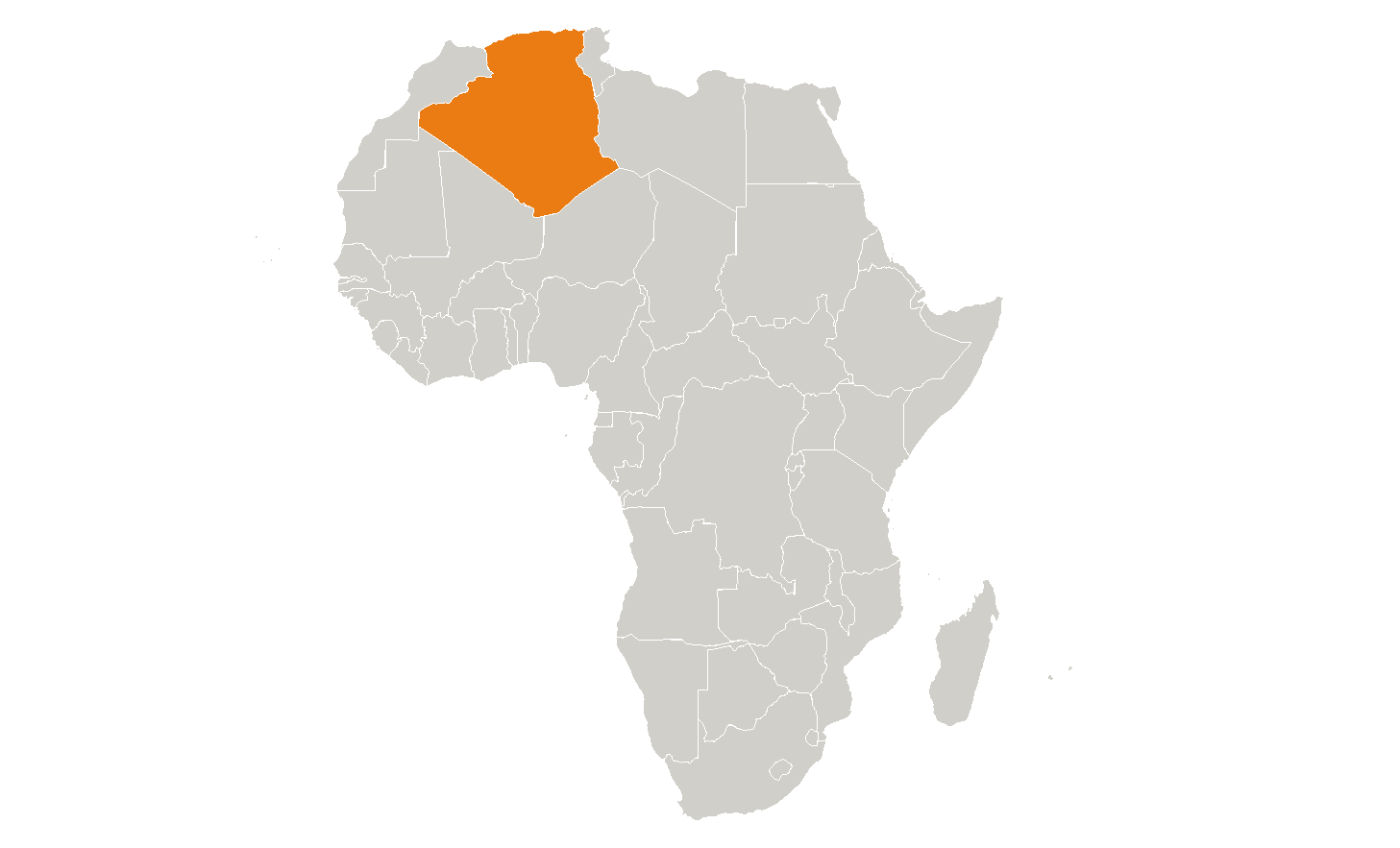
Algeria
Project Activities
Design and Inception
- Elaborating a detailed work plan, methodological framework, and data collection tools, including questionnaires, interview guides, and reporting formats
- Organising and facilitating a kick-off workshop with national and regional stakeholders to present, discuss, and validate the methodology and tools
Data Collection and Field Audits
- Collecting and analysing existing statistical and institutional data, including national energy balances, regional datasets, and prior sector studies
- Conducting field missions and structured stakeholder interviews across targeted regions to assess real energy consumption patterns by sector
- Identifying key inefficiencies and energy loss points in buildings (public and residential)
Analysis and Comparison of Energy Efficiency Solutions
- Identifying relevant technical and organisational EE solutions tailored to each climatic region and sector
- Applying a multi-criteria assessment framework covering: energy savings potential, investment costs, payback periods, technical and institutional feasibility, social acceptability, and socio-economic benefits
- Producing prioritised portfolios of EE measures per region
Consolidation and Planning
- Preparing regional audit reports and a comparative synthesis of energy profiles across regions
- Drafting regionalised, prioritised action plans with short-, medium-, and long-term implementation steps, indicative financing mechanisms (public support, public–private partnerships, climate finance), and key performance indicators
- Organising and facilitating a national restitution workshop, and producing a final consolidated national report and presentation for institutional and technical audiences
Impact
- Strengthening national policy implementation: The project directly supports the operationalisation of Algeria's PNME (2025–2035), translating national energy efficiency commitments into concrete, region-specific action plans with clear implementation pathways.
- Evidence-based decision-making: Rigorous field audits and multi-criteria analyses provide MEMER and partner institutions with a reliable, sector-disaggregated evidence base to guide investment prioritisation and regulatory action.
- Sectoral coverage and systemic reach: By spanning five key consuming sectors across multiple climatic regions, the project delivers a comprehensive national picture of energy inefficiency, enabling targeted, cost-effective interventions at scale.
- Capacity development and institutional ownership: Through stakeholder co-design, validation workshops, and knowledge transfer embedded throughout the assignment, the project strengthens the capacity of Algerian institutions to plan and monitor EE programmes independently.
- Climate and sustainability relevance: By identifying and prioritising energy savings measures, the project contributes directly to Algeria's climate commitments, supports a reduction in fossil fuel dependency, and lays the groundwork for integrating renewable energy and green hydrogen solutions into long-term national planning.
Contributing to the UN Sustainable Development Goals
We are committed to making a positive impact and supporting the UN Sustainable Development Goals (SDGs). This project contributes to the following SDGs: