Support to Municipalities (SML III) / Mousanada, Phase II
Despite a clear national commitment to decentralisation, the Libyan state still lacks the capacity to transfer powers and resources effectively to municipalities, many of which remain under-resourced and institutionally weak. This governance gap directly affects citizens’ access to essential services and risks deepening social and regional inequalities across the country.
The Support to Municipalities in Libya, Phase III (SML III) / Mousanada, Phase II - National and regional pool of experts for strengthening institutions and public policy at national and municipal level in Libya programme supports the Ministry of Local Government (MoLG) and 30 partner municipalities to advance key governance reforms, improve basic public services and contribute to stabilisation and peacebuilding efforts. Fully aligned with the Libyan National Decentralisation Roadmap, the project enhances the capacities of state institutions to plan, manage and implement decentralisation while empowering municipalities to deliver inclusive and citizen‑centred services.
The integrated SML III / Mousanada II approach includes flexible technical assistance to national ministries, agencies and municipalities. Dorsch Impact is responsible for the deployment of a national and regional pool of experts, working closely with the MoLG, the EU Delegation to Libya, and selected public institutions to ensure coherence, policy relevance and sustainable institutional strengthening.
Disciplines
- Governance, Peace and Social Cohesion
Client
Deutsche Gesellschaft für internationale Zusammenarbeit (GIZ) GmbH, co-funded by BMZ and the EU
Duration
From 2025 to 2027
Location
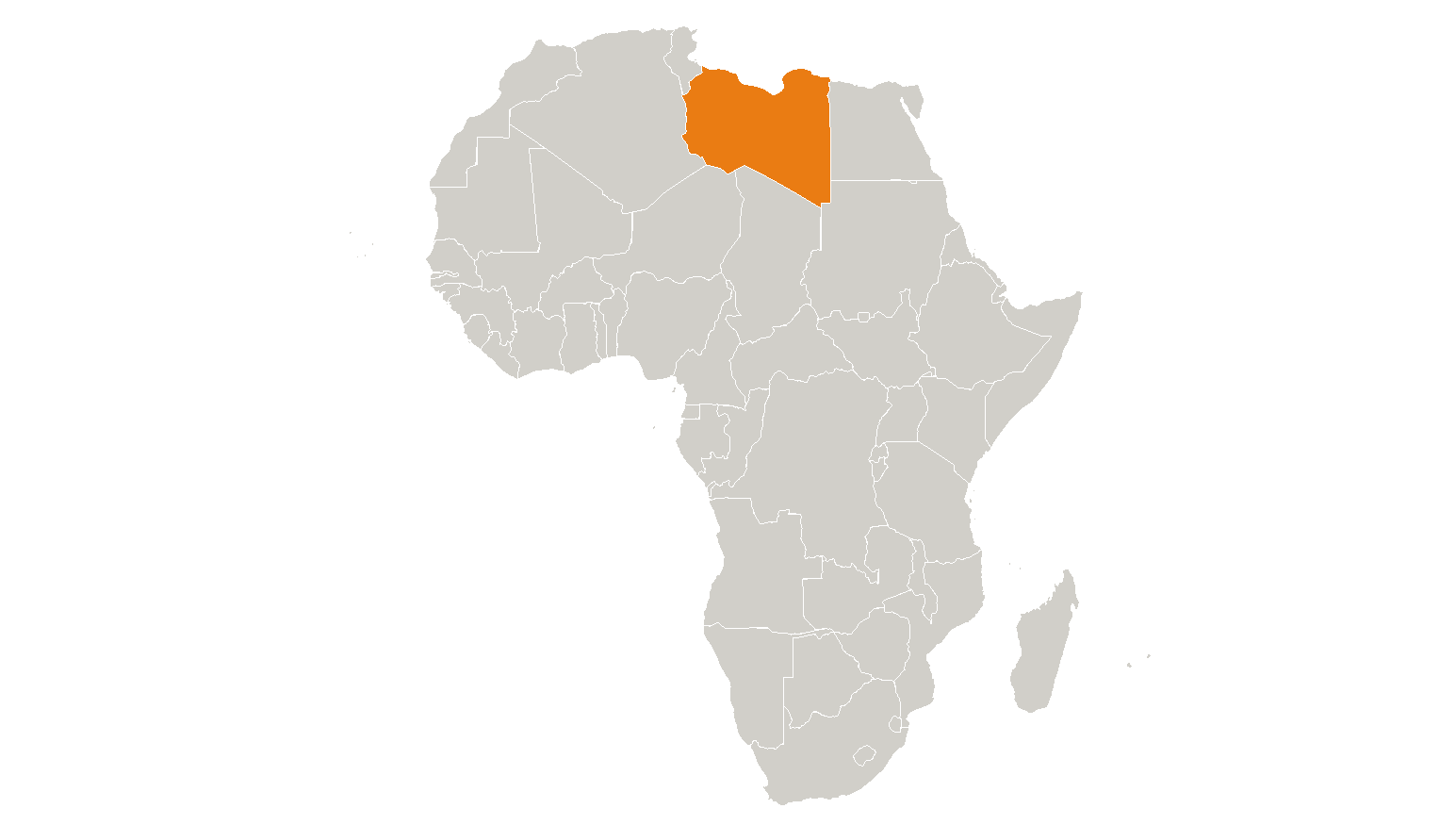
Libya
Project Activities
Institutional and Policy Support
- Reviewing governance, decentralisation and service‑delivery policies at national and municipal levels
- Mapping regulations, identifying gaps and drafting recommendations and legal texts
- Facilitating stakeholder consultations and supporting policy implementation
- Developing guides, standards, methodologies and procedures, including e‑governance solutions
Organisational and Institutional Development
- Conducting institutional needs assessments and designing tailored development plans
- Deploying embedded experts in national institutions and municipalities
- Providing targeted technical assistance on financial management, HR, service delivery and citizen engagement
- Facilitating peer learning and exchange among municipalities and public institutions
Human Capacity Development
- Carrying out training needs assessments
- Designing and delivering professional training programmes, including e‑learning
- Organising mentorship schemes, peer exchanges and study visits in Europe and the region
- Running workshops and seminars on decentralisation and municipal governance
Strategic Advisory to the EU
- Preparing policy briefs and analyses on political economy, governance and decentralisation
- Supporting alignment of EU interventions with Libyan reform priorities
- Producing knowledge products and strengthening cooperation with regional think‑tanks
Providing on‑demand expert advice to EU institutions and Member States
Impact
- Strengthened national and municipal institutions equipped to plan and implement decentralisation.
- Improved quality and accessibility of basic public services through enhanced local governance capacities.
- More coherent, evidence‑based policy frameworks supporting inclusive, citizen‑centred governance.
- Enhanced cooperation between Libyan authorities, the EU and development partners, contributing to stability and long‑term public sector resilience.
Contributing to the UN Sustainable Development Goals
We are committed to making a positive impact and supporting the UN Sustainable Development Goals (SDGs). This project contributes to the following SDGs: