River-centric Planning and Management in the Ganga Basin
In India water resources are regulated across different administrative levels and hydrological scales making the translation of integrated river basin management (RBM) principles into practical, coordinated action complex. In the River Ganga Basin, one of the world's most populous and ecologically significant river systems, the National Mission for Clean Ganga (NMCG) has increasing influence on water resources management at various scales by exercising its support in the planning and implementation of multi-level, river-centric planning and management practices. In recent years a series of plans have been developed at different scales, including River Basin Management Plans, District Ganga Plans, and Urban River Management Plans, but an overall harmonisation to ensure a scaled-up, integrated, river-centric planning and management has been lacking. Institutional capacity and coordination mechanisms at the different planning levels to improve harmonisation, and structured training systems are critical gaps that continue to hinder sustainable river-centric planning and management.
Dorsch Impact is addressing these gaps through a targeted capacity development assignment commissioned by GIZ GmbH, as part of the Support to Ganga Rejuvenation – Phase III.
Working closely with the National Mission for Clean Ganga (NMCG), the Central Water Commission (CWC), and key national training institutions, Dorsch Impact is strengthening institutional training systems, establishing a national cadre of master trainers, and scaling up the understanding and application of river-centric planning and management practices across the Ganga Basin through the development of a nationally validated concept paper.
Disciplines
- Water Resources Management
Client
Gesellschaft für Internationale Zusammenarbeit (GIZ) GmbH funded by BMZ
Duration
From 2025 to 2027
Location
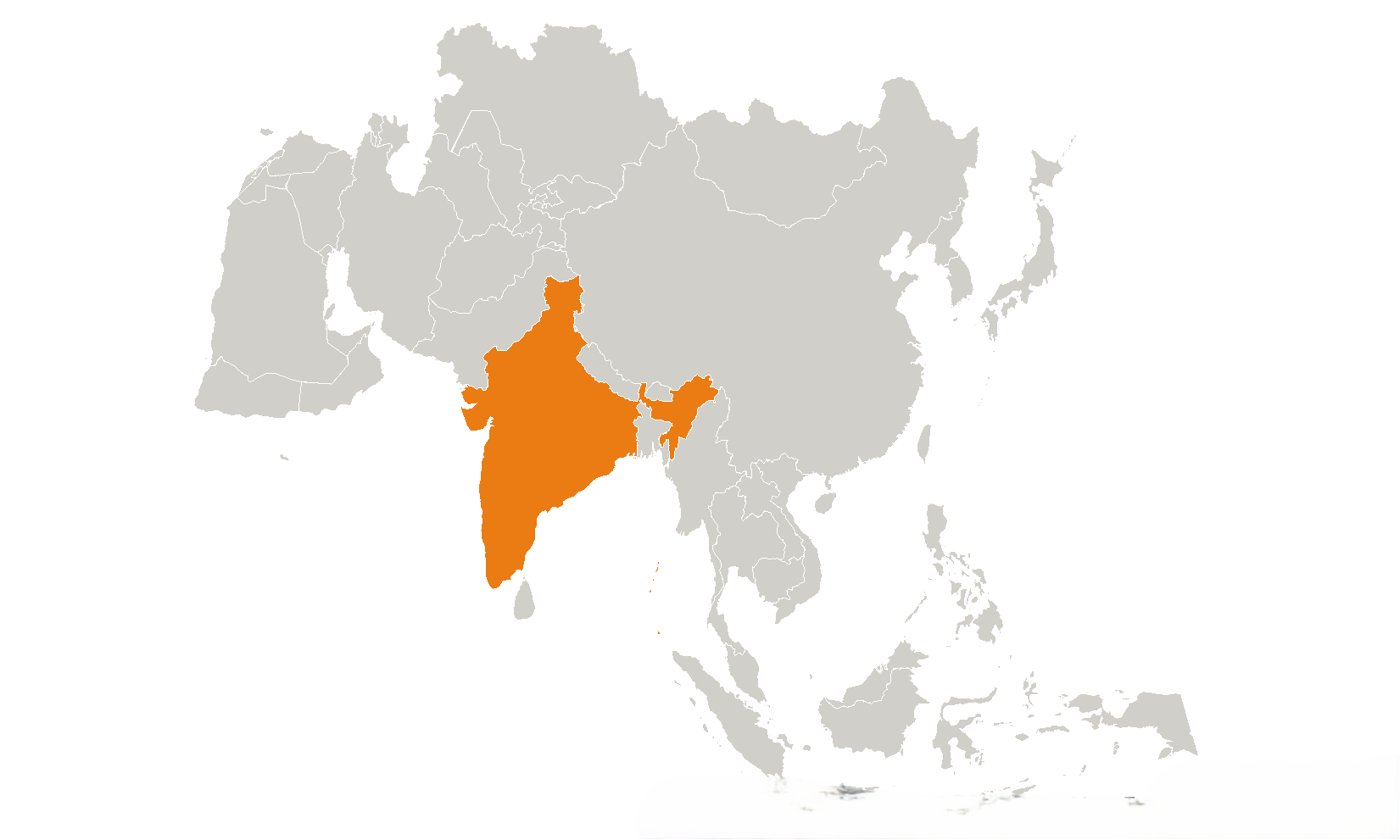
India
Project Activities
Institutional Component
Providing technical and methodological leadership, including work planning, expert coordination, quality assurance, and reporting across all project phases
Coordinating with GIZ, NMCG, and key national training institutions throughout implementation
Designing and facilitating multi-stakeholder consultations and a national strategic consultation workshop on river-centric planning and management at basin, district, and urban levels
Supporting training institutions and master trainer networks to institutionalise river-centric approaches through mechanisms, performance indicators, and digital learning platforms
Integrating gender equality, climate adaptation, participatory planning, and the subsidiarity principle, drawing on EU Water Framework Directive experience, into institutional processes and implementation frameworks
Technical Component
Developing a concept paper on river-centric planning and management for the Ganga River Basin, including a critical review of existing RBM, District Ganga Plan, and Urban River Management Plan approaches and identification of synergies across planning levels
Conducting a rapid training needs assessment and developing a comprehensive training curriculum and associated materials for river-centric planning and management
Designing and delivering a Training of Trainers (ToT) programme to build a national cadre of RBM master trainers
Mentoring master trainers through mock training sessions, assisted delivery of selected training courses, and systematic documentation of trainer profiles, feedback, and lessons learnt
Supporting the rollout of training courses at basin, district, and urban levels, with use of digital platforms for learning, participation tracking, and scale-up
Impact
Strengthened institutional capacity: The project establishes a sustainable national training architecture for river basin management, enabling government actors at multiple levels to plan and coordinate more effectively across the Ganga Basin.
National cadre of master trainers established: Through the ToT-programme and structured mentoring, a qualified pool of master trainers is being institutionalised, ensuring continuity and scale beyond the project period.
Integrated, climate and gender responsive approaches: Training content and planning tools explicitly incorporate gender equality and climate adaptation considerations, contributing to more inclusive and resilient river governance.
Policy and framework alignment: The project directly supports India's national Ganga rejuvenation agenda and reinforces multi-level governance frameworks, strengthening coherence between national strategies and local implementation
Contributing to the UN Sustainable Development Goals
We are committed to making a positive impact and supporting the UN Sustainable Development Goals (SDGs). This project contributes to the following SDGs: