Support in the Implementation of Basin Management Measures and District Ganga Plans
The Ganga River is India's most sacred waterway and a critical freshwater lifeline for hundreds of millions of people. However, it faces severe and compounding pressures: industrial effluents, inadequate sanitation infrastructure, solid waste pollution, and the accelerating impacts of climate change. While India's National Mission for Clean Ganga (NMCG) has made significant national investments in river restoration, translating policy into effective, locally implemented action at basin level remains a fundamental challenge. Fragmented institutional responsibilities, uneven technical capacity across governance levels, and insufficient coordination between national, state, and district actors continue to hamper durable progress.
The Support in the Implementation of Basin Management Measures and District Ganga Plans project forms part of the third phase of the GIZ programme Support to Ganga Rejuvenation (SGR), implemented on behalf of the German Federal Ministry for Economic Cooperation and Development (BMZ) in close partnership with NMCG. It delivers targeted technical advisory services and capacity development support to enable the sustainable implementation of River Basin Management (RBM) plans and District Ganga Plans (DGPs), which are the operational instruments through which India's national Ganga restoration goals are translated into concrete, district-level action. The geographical focus is the Ramganga catchment area and selected districts in Uttar Pradesh, including Udham Singh Nagar and Shahjahanpur.
Together with KPMG India and BORDA, Dorsch Impact is responsible for the implementation of these support measures.
Disciplines
- Water Resources Management
Client
Deutsche Gesellschaft für Internationale Zusammenarbeit (GIZ) GmbH, funded by BMZ
Duration
From 2025 to 2027
Location
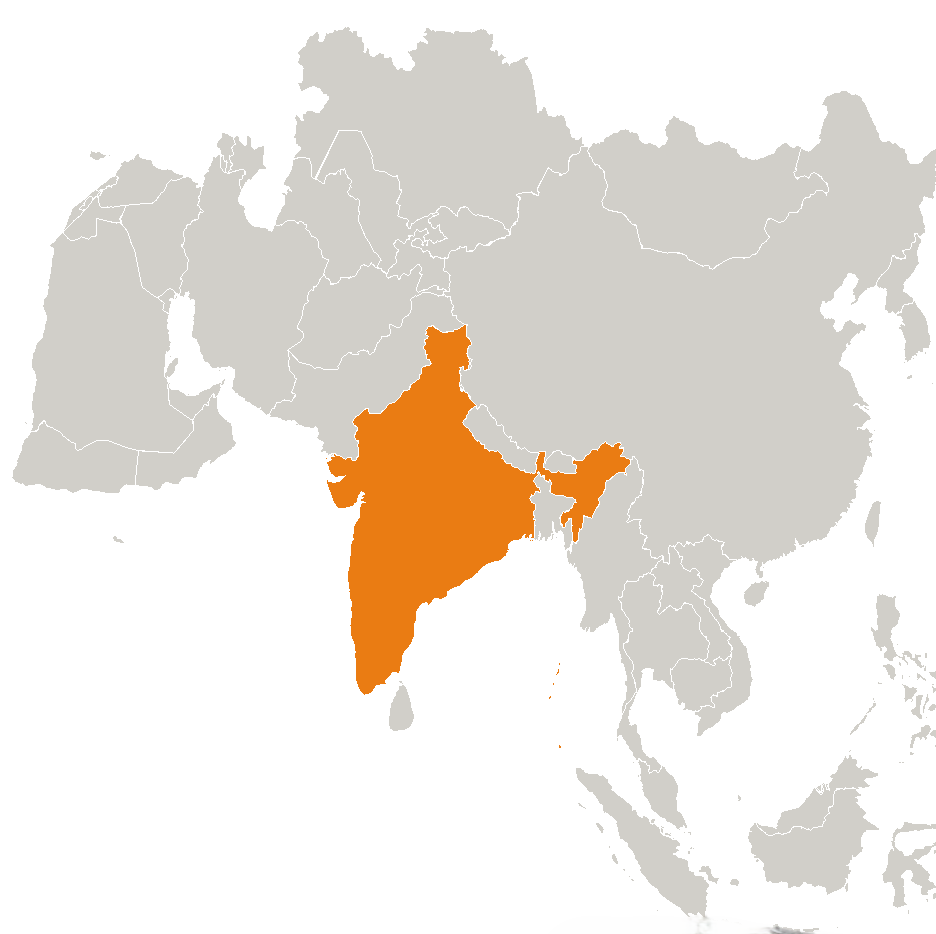
India
Project Activities
Technical Component
Ramganga River Basin Management
- Assessment of water quality compliance gaps and development of a basin-wide monitoring framework;
- Developing Ramganga Basin-specific guidelines for Nature-based solutions for wastewater management including support for implementation of a pilot for smaller riverbank communities;
- Support towards Operationalisation of Groundwater Management Plan in the Ramganga River Basin;
- Support to adoption of a climate-sensitive measure by creating buffer zones and conservation of waterbodies/ wetlands in the Ramganga Basin
Udham Singh Nagar District Ganga Plan
- Mapping of sanitation systems and industrial pollution hotspots;
- Support to the operationalisation of faecal sludge treatment facilities;
- Strengthening of effluent treatment plant connectivity and water quality monitoring at key discharge points.
Shahjahanpur District Ganga Plan
- Development of solid waste management strategies for riverbank communities;
- Conduction of a social inclusion study on waste workers with a focus on gender;
- Provision of technical guidance on drain interception, diversion, and DPR preparation in line with NMCG standards.
Institutional and Capacity Development Component
Capacity Building and DPR Quality Assurance
- Development of training materials and quality checklists for DPR preparation;
- Hands-on workshops for district and basin officials;
- Review of DPRs for alignment with RBM frameworks and national funding criteria;
- Support to public outreach linked to priority implementation measures.
Impact
- Institutional strengthening: RBM and district committees are empowered to steer the planning and implementation of river basin management measures, with improved coordination between national, state, and district-level actors responsible for integrated water resources management.
- Measurable implementation targets: Rollout of at least 10 concrete measures from RBM and District Ganga Plan implementation programmes, of which a minimum of two carry a climate focus, two a gender focus, and one addresses both climate and gender dimensions.
- Water quality and environmental resilience: Pilot interventions in wastewater treatment, faecal sludge management, industrial effluent monitoring, and nature-based solutions contribute directly to improved water quality in the Ramganga catchment and strengthened ecological resilience of the Ganga basin.
- Scalability and replication: By institutionalising the RBM approach and building district-level technical capacity, the project creates a replicable model for transferring integrated river basin management practices to additional districts and catchment areas across India
Contributing to the UN Sustainable Development Goals
We are committed to making a positive impact and supporting the UN Sustainable Development Goals (SDGs). This project contributes to the following SDGs: