
Programme for Inclusive Communal Development and Decentralisation (PDCID) II
Madagascar faces persistent structural challenges in local governance and access to basic infrastructure, particularly in its rural regions. Decentralised territorial authorities like the communes frequently lack the financial, technical, and institutional capacity to plan, procure, and manage community infrastructure effectively, leaving rural populations underserved in critical areas such as education, mobility, and local economic development.
The Programme for Inclusive Communal Development and Decentralisation II (PDCID II) addresses these challenges directly in the Boeny and DIANA regions. Commissioned by the Fonds de Développement Local (FDL), a public administrative institution under the technical supervision of the Ministry of Decentralisation and Spatial Planning (MDAT) and financed by KfW Development Bank, the programme supports improved access to basic infrastructure and services for rural communities, while simultaneously strengthening the institutional capacity of the communes and the FDL.

Areas of Expertise
- Governance, Peace and Social Cohesion
- Municipal Infrastructure
Client
Fonds de Développement Local (FDL), funded by KfW Development Bank
Duration
From 2020 to 2027
Location
Boeny and DIANA regions, Madagascar
Project Activities
Institutional Component
- Supporting overall project management in close collaboration with the FDL, ensuring alignment with programme objectives and KfW requirements
- Strengthening the capacity of the FDL in project management, fiduciary oversight, and governance procedures
- Co-managing the disposition fund in coordination with the client and financing institution
- Building the institutional and administrative capacities of 34 rural municipalities in project management and infrastructure maintenance
Technical Component
- Establishing preliminary and detailed design studies, technical specifications, and full tender documentation for priority communal infrastructure
- Conducting environmental and social impact assessments (ESIA) in compliance with applicable national and donor standards
- Managing the end-to-end tendering process, including company prequalification, bid evaluation, and contract drafting
- Supervising and monitoring civil works and supply deliveries to ensure quality, timeliness, and cost compliance
- Overseeing temporary reception, warranty period follow-up, and final acceptance of completed works
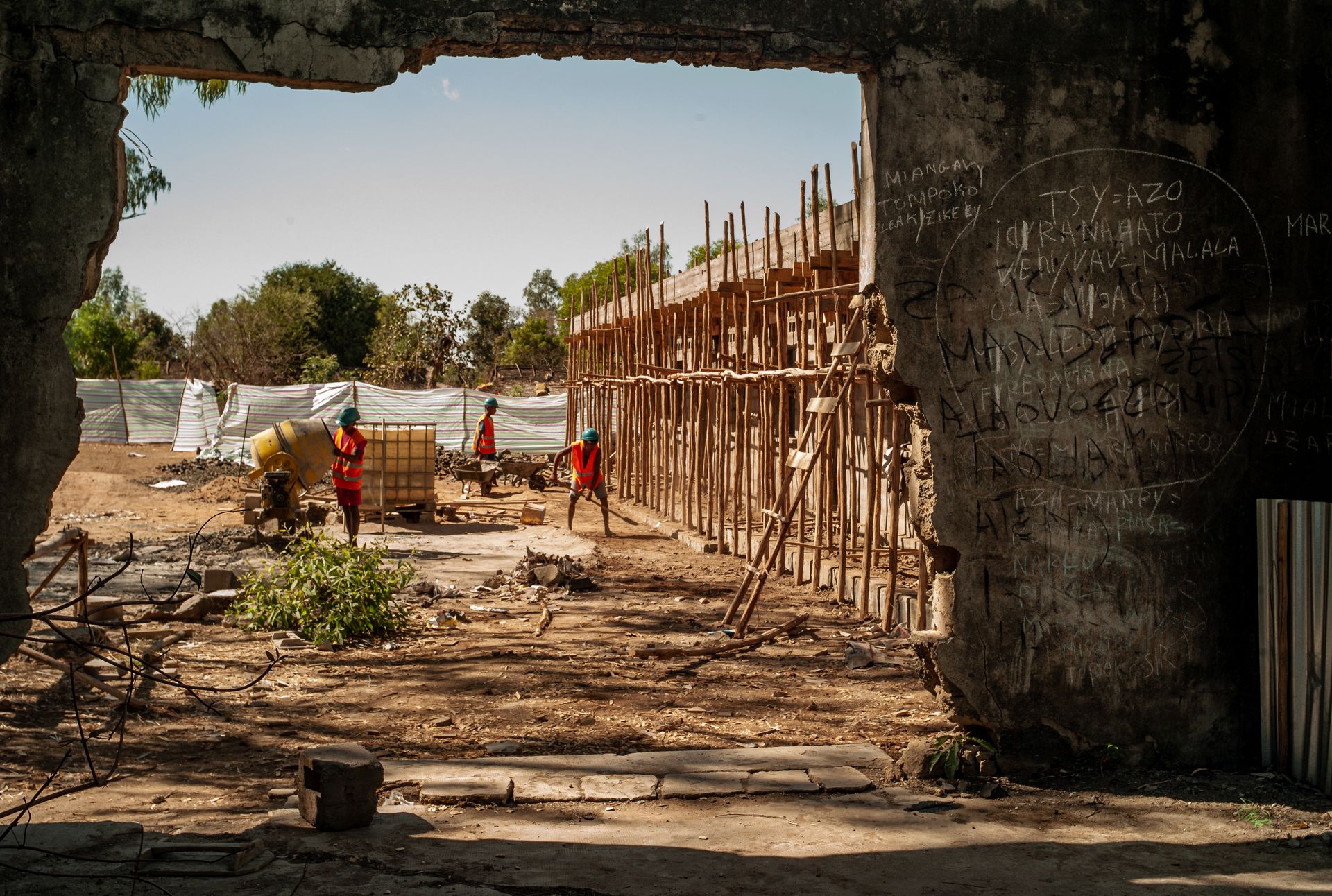
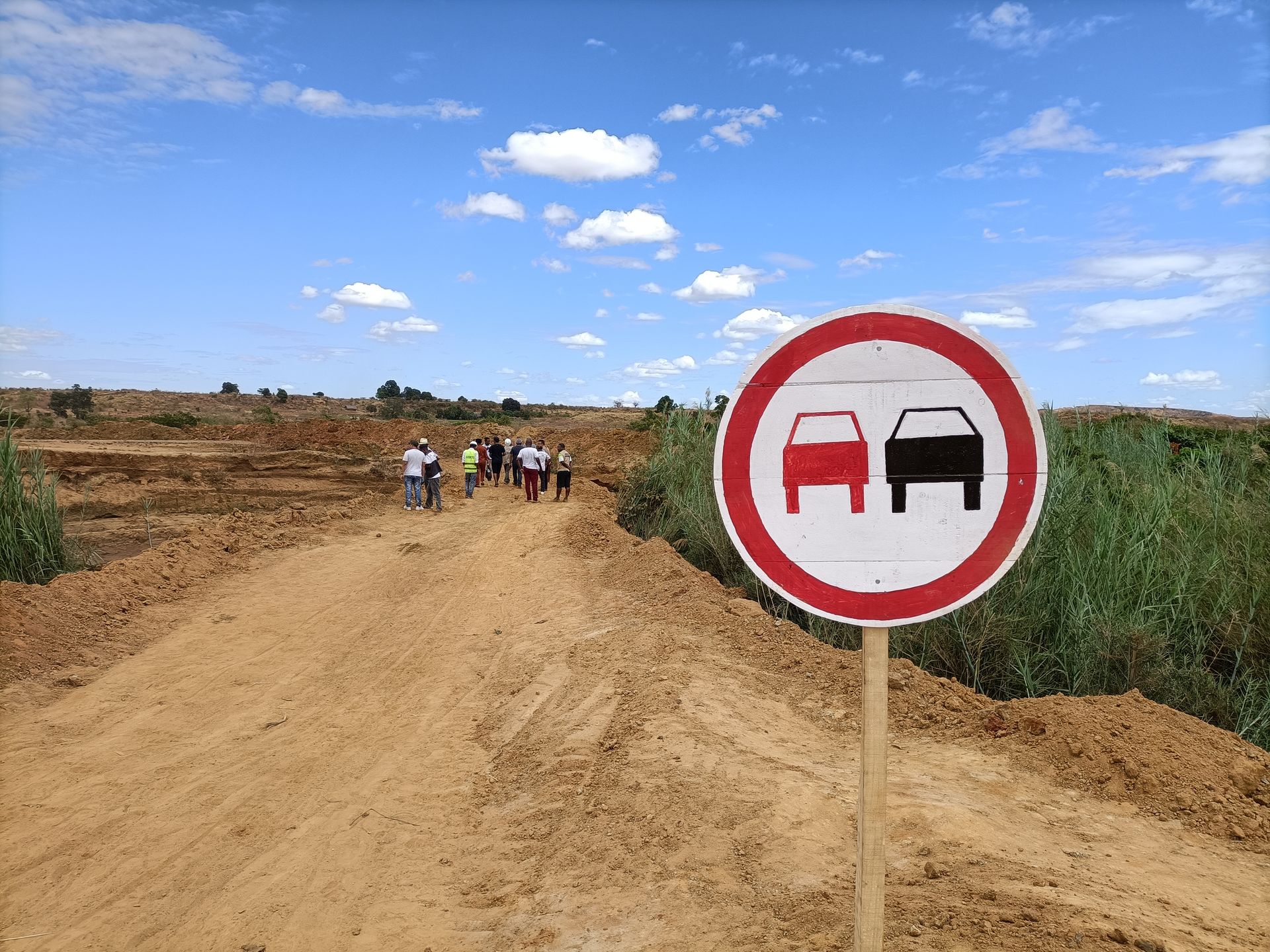
- Coordinating the construction and/or rehabilitation of approximately 200 km of rural roads and 60 schools across 34 rural municipalities
Impact
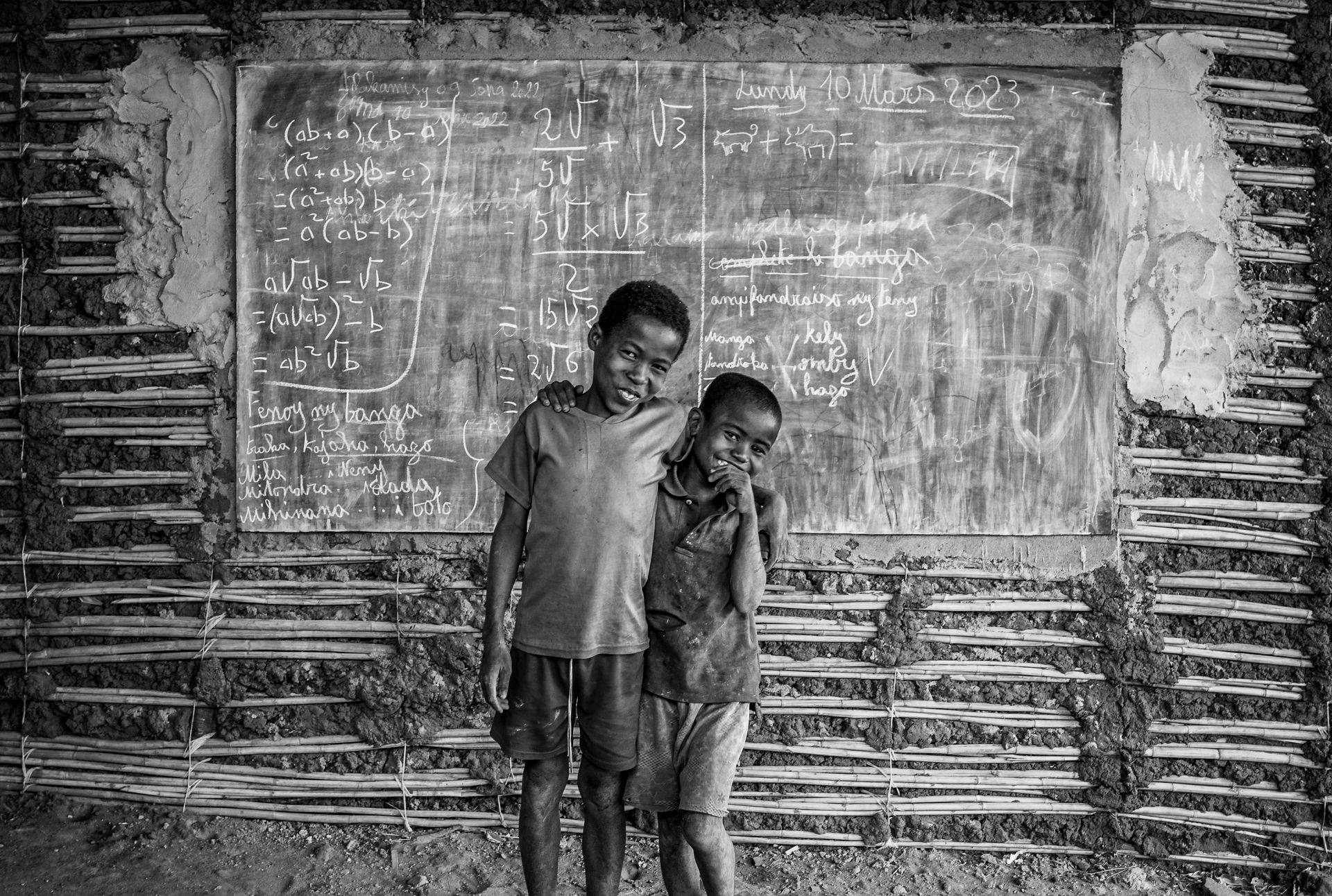
Infrastructure reach: Approximately 200 km of rural roads and 60 schools are being constructed or rehabilitated across 34 rural municipalities in the Boeny and DIANA regions, directly improving mobility and access to education for vulnerable rural populations.
Institutional strengthening: The programme builds the long-term administrative and technical capacity of both the FDL and participating communes, contributing to sustainable decentralised governance and improved public service delivery beyond the programme period.
Inclusive development: By targeting rural municipalities with historically limited access to basic services, the programme contributes to reducing territorial inequalities and supporting socio-economic development at the local level.
Sustained donor confidence: As a long-term KfW-financed engagement running through 2027, the programme reflects the trust placed in Dorsch Impact's leadership to deliver complex, multi-component development programmes in fragile and challenging operating environments.
Contributing to the UN Sustainable Development Goals
We are committed to making a positive impact and supporting the UN Sustainable Development Goals (SDGs). This project contributes to the following SDGs:

Project Images
 Enlarge image
 Enlarge image
 Enlarge image