
Improved Protected Area Management and Sustainable Coastal Fisheries (AGIRAP & PCD)
The two KfW-funded Programmes AGIRAP - Appui à la Gestion Intégrée du Résau des Aires Protégées du Madagascar National Parks (MNP) and PCD - Pêche Côtière Durable (MNP) contribute to two specific objectives of German Official Development Assistance in Madagascar:
- Sustainable Integrated Management of the Madagascar’s National Parks (MNP) and Protected Areas Network (AGIRAP), focusing on the conservation and sustainable management of (42+) parks and reserves; and
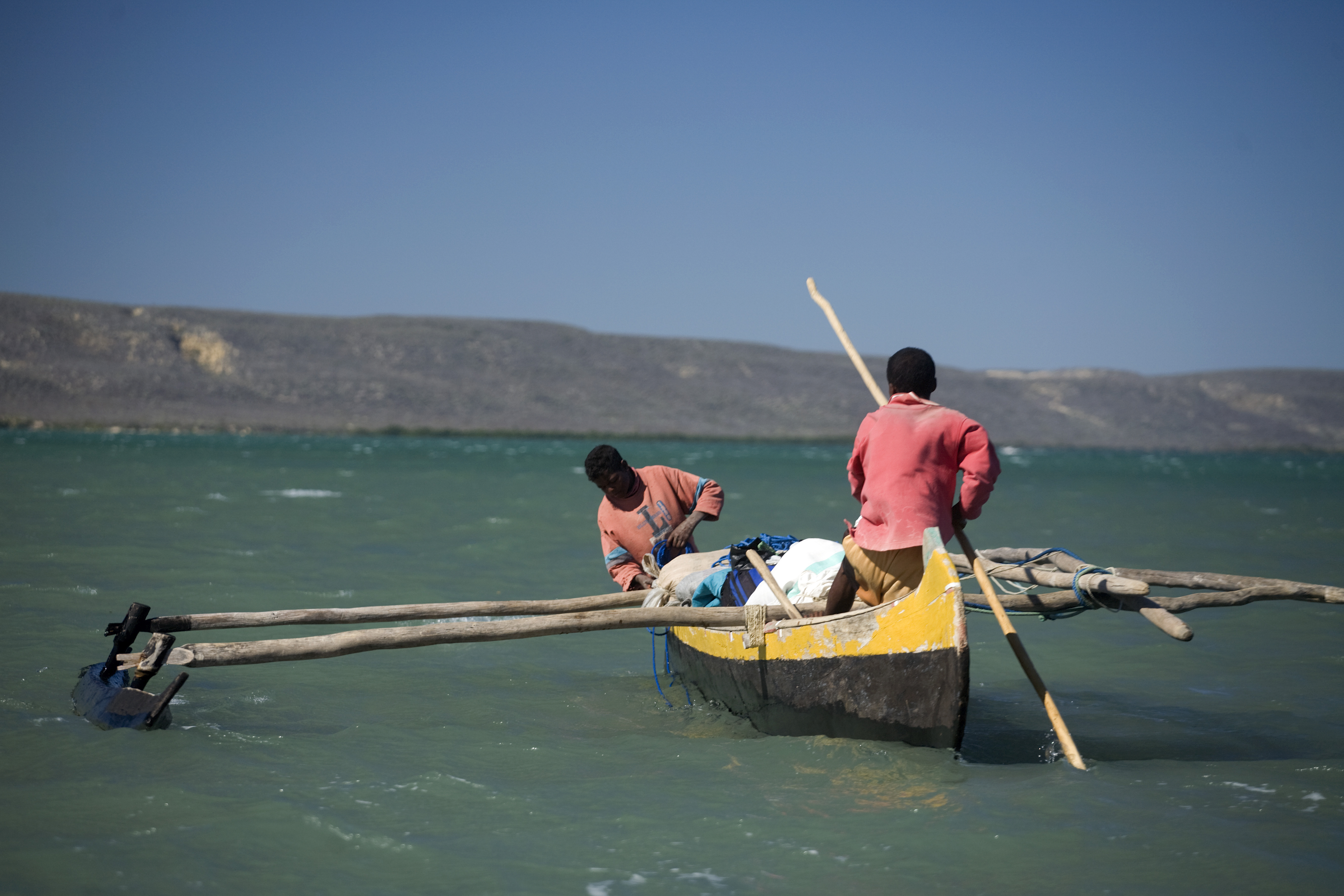
- Enhanced Sustainable Coastal Fisheries (PCD), through establishing and supporting 254 Locally Managed Marine Areas (LMMA) in 11 large-scale coastal project regions, in cooperation with NGOs.
The overall objective in both programmes is to sustainably manage terrestrial, coastal and marine protected areas and their natural resources collaboratively contributing to both, biodiversity conservation and shared equitable benefit to the rural population towards socio-economic development.
Areas of Expertise
- Sustainable Natural Resources Management
- Governance, Peace and Social Cohesion
- Climate Action
Client
Madagascar National Parks (MNP) funded by KfW Development Bank
Duration
From 2024 to 2028
Location
Madagascar
Project Activities
Programme 1: AGIRAP
Dorsch Impact supports the 5 principal axes of the Strategic Development Plan of MNP:
- Axis 1: Terrestrial and Marine Biodiversity Conservation
- Axis 2: Co-management, Development, and Safeguard
- Axis 3: Financial Sustainability and Partnerships
- Axis 4: Governance and Management
- Axis 5: Reputation and Accountability
Programme 2: Sustainable Coastal Fisheries (PCD)
- Offering co-management services for Locally Managed Marine Areas (LMMA) and supporting legislative development for LMMA co-management.
- Promoting sustainable mariculture and aquaculture and strengthening partnerships for sustainable fishing and ecotourism; Promoting alternative income-generating activities to reduce reliance on coastal fishing and supporting sustainable coastal fishing and improving market access for marine products.
- Facilitating knowledge exchange and networking among LMMA managers.
- Builds on PCD I (2018–2024) and PCD II (2022–2025): From establishing and strengthening LMMA governance and fisheries productivity (PCD I), to adding a focused mangrove conservation and sustainable-use component (PCD II). PCD III (2025–2029 planned) shifts emphasis to locally owned value chains and equitable revenue generation, consolidating gains from earlier phases.
Support Services for Administrative and Financial Management (Programme 1 and 2)
- Assisting with fund replenishment mechanisms and conducting audits.
- Supporting comprehensive budget management for MNP and partner NGOs.
- Providing advisory services to structure administrative and financial monitoring, working closely with the management control team and internal auditors to strengthen internal controls.
- Reviewing procurement policies and enhancing team competencies while supporting the development of efficient procurement processes and guidelines.
Impact:
- Strengthened local marine governance: 127 LMMAs established and supported; more than 3.000 people trained in marine/coastal resource management; 100% of LMMAs with operational monitoring and DINA* management.
- Professionalised small-scale fisheries: 7.657 fishers issued professional cards; 1.889 pirogues registered.
- Higher productivity and incomes: Catch per unit effort up 59.8% (8.27 to 13.82 kg/day/person); 5.981 people trained in income-generating activities; 8.844 households benefiting; +60% income from direct marine product sales; +36% annual household income from non-fishing activities.
- Scaled reach and ecosystems: PCD I–II engaged 305 villages, 61.645 households and 308.225 people, with 49.487 ha of mangroves under focus; PCD III plans to reach ~0.5 million beneficiaries and expand locally owned value chains for equitable revenue sharing.
- Embedded gender equity by design: Gender considerations are integrated in programme safeguards (SGES/CGES), local engagement plans (PEPC) and contracts, reflecting women’s leading roles in marine value chains (processing, packaging, storage, and financial management) to ensure equitable participation and benefit sharing across 24 core programme and project documents.
Contributing to the UN Sustainable Development Goals
We are committed to making a positive impact and supporting the UN Sustainable Development Goals (SDGs). This project contributes to the following SDGs:

Project Images
 Enlarge image
 Enlarge image
 Enlarge image
 Enlarge image
 Enlarge image