Georgia Amelioration Reform Plan, Phase 1
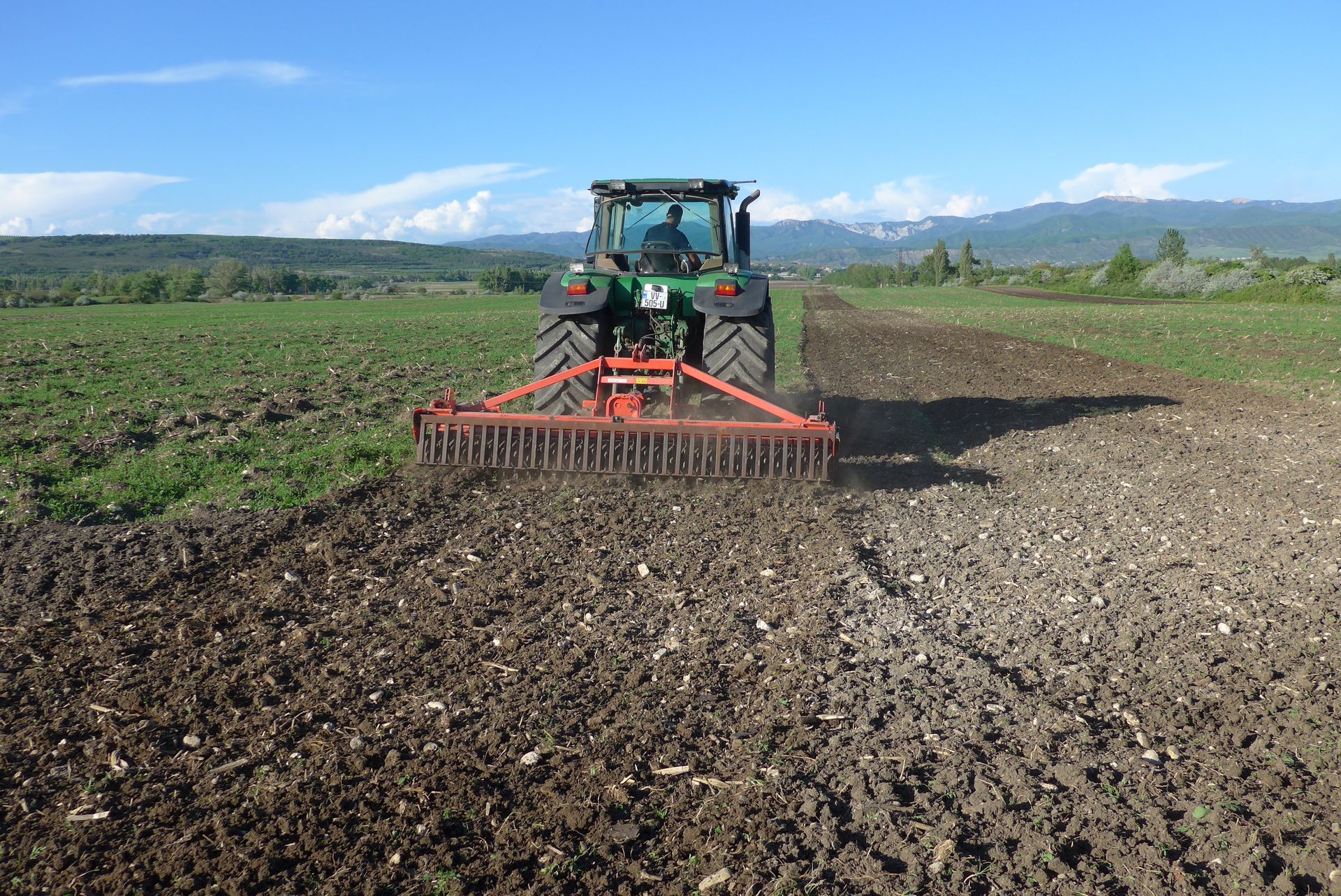
Georgia’s agriculture sector faces mounting pressures: fragmented landholdings, ageing and inefficient irrigation systems, and rising climate risks that are driving drought, water scarcity, and declining productivity. Weak land management structures and incomplete data further limit farmers’ ability to invest, adapt, and plan sustainably.
In 2023, the Government of Georgia launched the Georgia Resilient Agriculture, Irrigation and Land Project (GRAIL), co-financed by the World Bank. The programme aims to directly benefit the agricultural sector by improving irrigation services, land management and thereby increasing productivity and strengthening livelihoods.
A core component is the comprehensive reform of irrigation management, shifting from a traditionally infrastructure‑focused organisation to a modern, customer‑oriented provider of irrigation and drainage services, the Comprehensive Institutional Reform Program to Improve Functions of Georgian Amelioration (GA) PHASE 1 – Preparation of the Georgia Amelioration Reform Action Plan. This includes fostering the formation and partial transfer of water management responsibilities to Water User Organisations (WUOs). Under this model, GA will continue to provide bulk water services, while WUOs, once established and capacitated, will progressively assume responsibility for retail‑level water delivery, particularly at secondary and tertiary levels of the irrigation network.
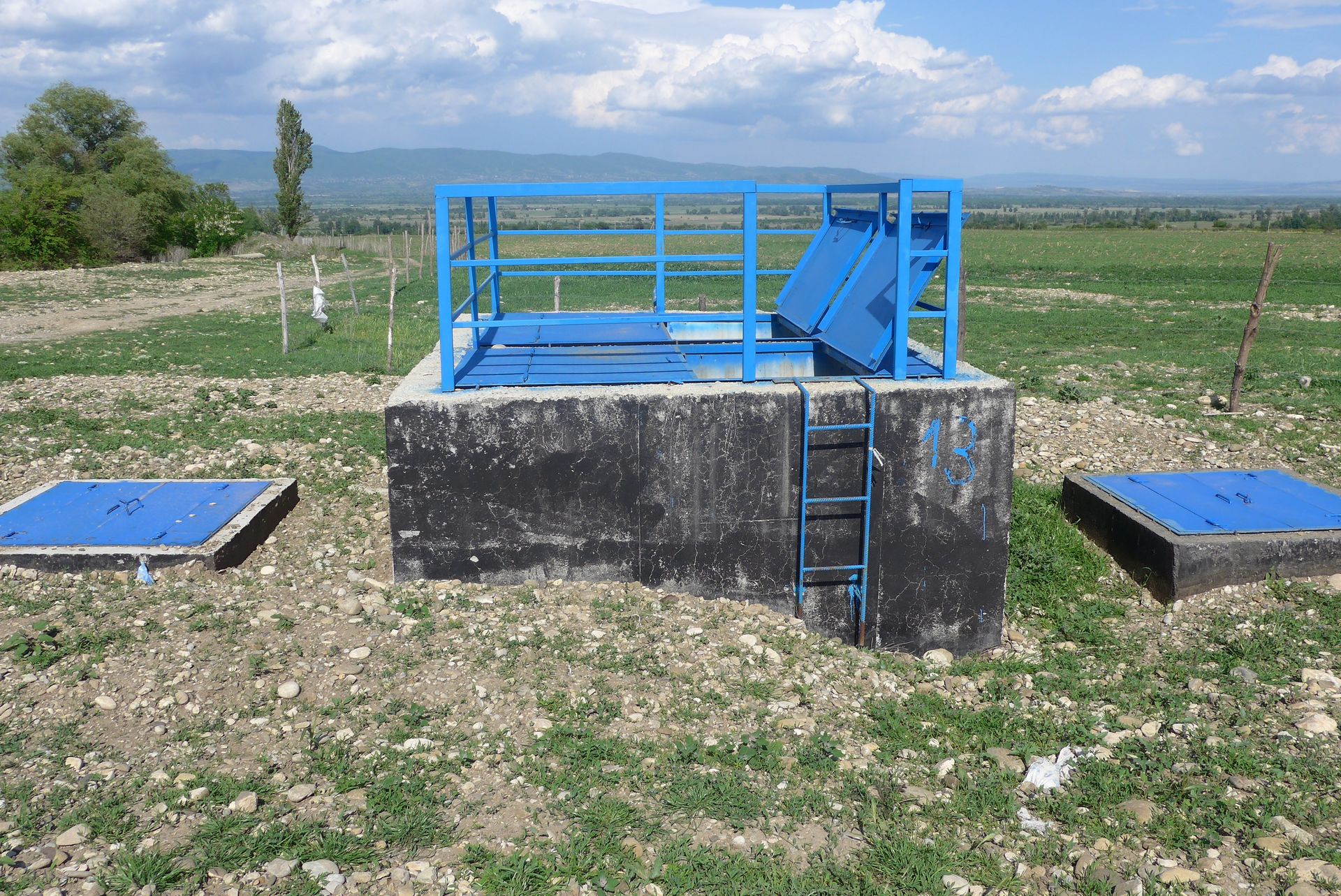
The reform combines institutional transformation with infrastructure modernisation. Investments will address both hard assets and enabling systems, including digital water measurement tools, hydraulic monitoring and GIS‑based asset management platforms.
Institutionally, reforms will span national, regional and local levels of GA, including the Service Centres responsible for daily and seasonal operations. The goal is to shift GA from a traditionally centralised infrastructure-focused and heavily subsidised entity to a performance‑based, customer‑oriented irrigation service provider.
The main objective of the project is to delineate a reform plan to enhance the operational and financial sustainability of irrigation schemes, underpinned by significantly improved cost recovery from water users. Achieving this requires fundamental changes to GA’s structures, processes and organisational culture.
To support this transformation, a Joint Venture comprising Dorsch Impact, Civitta International (Lead) and Yooshin Engineering Corporation is preparing a Strategic Reform Plan, which will include:
- A detailed diagnostic of the administrative, legal, technical and financial bottlenecks to service delivery;
- A stakeholders analysis;
- A communication and stakeholder engagement strategy to support the reform process;
- A training and capacity‑development plan to address skills gaps during the transition;
- A reform plan addressing all the identified bottleneck and providing an implementation roadmap for the reform.
Disciplines
- Water Resources Management
- Governance, Peace and Social Cohesion
- Climate Action
- Agriculture and Irrigation
Client
Ministry of Environmental Protection and Agriculture of Georgia (MEPA), funded by the World Bank and the Government of Georgia
Duration
From 2025 to 2026
Location
Georgia
Project Activities
Dorsch Impact is responsible for providing the following services:
- Conduct an evidence‑based literature and document review to inform diagnostics and design.
- Assess canal operations and level of service using MASSCOTE, RAP and iOF methodologies.
- Lead the technical assessment of GA’s existing MOM (Management, Operation and Maintenance) system, including:
- Stakeholder mapping and role/responsibility analysis.
- End‑to‑end review of internal water delivery processes.
- Identification of administrative, financial and physical bottlenecks.
- Evaluation of infrastructure O&M practices and asset condition.
- Assessment of budgets, cost recovery and financing of MOM activities.
- Review of performance monitoring, accountability mechanisms and user participation.
- Benchmarking against regional and international MOM models and good practice.
- Prepare an Action Plan for MOM Reform, including:
- Design and prioritisation of reform measures for GA’s MOM practices.
- Definition of realistic short‑ and medium‑term actions across institutional, procedural and technological domains.
- Alignment with field realities, scheme hydrology and diagnostic findings.
- Facilitation of stakeholder consultations and validation of proposed actions.
- Support implementation of GA’s Reform Communication Strategy and Support Programme (internal and external stakeholders).
- Support the preparation of GA’s Reform Training and Capacity Development Plan, including curricula, delivery approach and competency tracking.
Contributing to the UN Sustainable Development Goals
We are committed to making a positive impact and supporting the UN Sustainable Development Goals (SDGs). This project contributes to the following SDGs: