Agri-Food Entrepreneurship Program/Livelihood Improvement Project (PEA/PAMELOT)
Chad faces acute structural challenges that undermine rural livelihoods and food security. The country is highly exposed to climate variability, with agriculture struggling to adapt to increasingly unpredictable conditions. Many communities in western Chad confront precarious income prospects, rising food insecurity and limited opportunities.
Within this context, the cereal flour and spirulina value chains face significant constraints, ranging from low productivity and limited processing capacity to weak market integration and insufficient vocational training.
To address these systemic issues, the Programme d’Entrepreneuriat Agroalimentaire/ Projet d’Amélioration des Moyens d’Existence dans l’Ouest du Tchad (PEA/PAMELOT) - Appui à la structuration des chaînes de valeur farines et spiruline au Tchad (Agri‑Food Entrepreneurship Programme / Livelihood Improvement Project in Western Chad) supports the sustainable transformation of the agri‑food sector. Funded by the German Government through BMZ and implemented by GIZ, the programme targets 17,000 direct beneficiaries, including cereal producers, spirulina harvesters, SMEs, producer organisations, vocational training institutions and trainees. Operating across seven western and southwestern provinces, it strengthens two strategic value chains and enhances vocational training aligned with national development priorities.
Dorsch Impact is responsible for structuring production, processing, marketing and service delivery systems, and reinforcing the vocational training ecosystem supporting these sectors.
Working with local and national partners, the project advances climate‑resilient agricultural practices, supports economic inclusion of women and youth, and strengthens the governance of Chad’s emerging agri‑food markets.
Areas of Expertise
- Agriculture and Irrigation
- Skills and Economic Development
Client
Deutsche Gesellschaft für Internationale Zusammenarbeit (GIZ) GmbH
Duration
From 2026 to 2028
Location
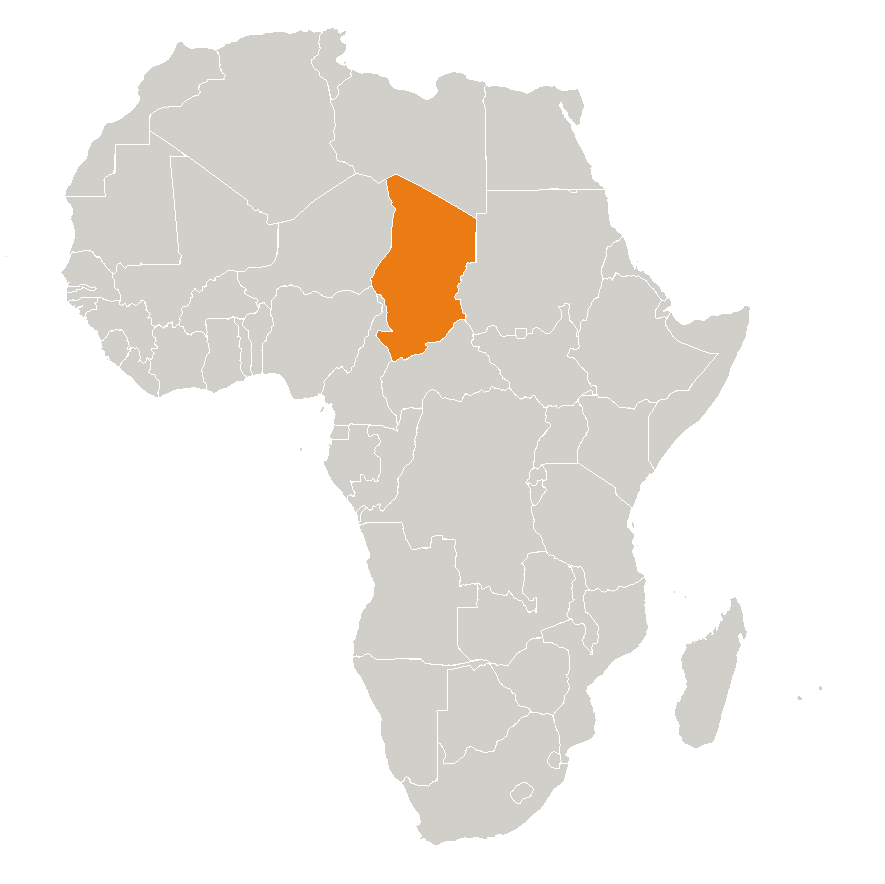
Chad
Project Activities
Institutional & Organisational Component
Strengthening national systems for standardisation and certification, including support to Chad’s national food quality control agency CECOQDA and the national standards agency
- Training POs/SMEs on quality management and HACCP
- Development of national norms for flour and spirulina
- Support to SMEs in obtaining export certifications
- Establishment of a geographical indication label for spirulina
Supporting governance of value chains and public‑private dialogue
- PPP analysis and recommendations
- Agreements for sustainable management of wadis
Strengthening vocational training centres and curricula
- Quality assurance of training content
- Development of professional integration strategies
Technical & Economic Component
- Providing technical advisory services using Farmer Field School approaches
- Professionalising producers, cooperatives and SMEs through FBS, CBS, SME Loop and agribusiness cluster development
- Structuring and scaling the flour and spirulina value chains via agribusiness clusters
- Supporting processing and marketing improvements
- Enhancing service provision for farmers and SMEs, including seed producer support and business model development for Agricultural Service Centres and Digital Resource Centres
- Improving post‑harvest management systems for spirulina and cereals
- Facilitating access to finance through system analyses, warrantage mechanisms and honour loans
Impact
- Two strategic agri‑food value chains (flour and spirulina) are strengthened with direct benefits for 10,800 producers, SMEs and trainees.
- Climate‑resilient agricultural practices in both semi‑arid and high‑rainfall zones are enhanced.
- 7,500 farmers implement sustainable production practices.
- Increase in the volume and value of sales of smallholder products by 30%.
- 75 cooperatives/farmers' groups are supported by the initiative (created / strengthened).
- 40 development service providers offer relevant advice / training.
- Market access and export readiness is improved through certification, quality management and commercial partnerships.
- Employability of women and youth is boosted through stronger vocational training systems and professional integration support.
- Contributes to sustainable rural income generation and sector governance aligned with national agri‑food development priorities.
Contributing to the UN Sustainable Development Goals
We are committed to making a positive impact and supporting the UN Sustainable Development Goals (SDGs). This project contributes to the following SDGs: