Advisory and Technical Support Pool for AEDA II
The labour market in Algeria is marked by high youth unemployment, skill mismatches and the drive to diversify the economy.
The Improvement of Employability for Graduates of Vocational Training Institutions (AEDA II) project in Algeria seeks to enhance the contribution of the national Technical and Vocational Education and Training (TVET) system to the country’s sustainable and inclusive economic growth. The project supports the Ministry of Vocational Training and Education (MFEP) in modernising training structures and aligning them with labour‑market needs.
Its core objective is to improve the employability of TVET graduates in key economic sectors by strengthening institutional, pedagogical and partnership capacities. It promotes the sustainable integration of young people, especially women, into the workforce through training programmes that reflect real labour‑market demand and incorporate digital, green and inclusive approaches.
Jointly implemented by Dorsch Impact (lead partner), Ginger SOFRECO (Ginger Group) and CESI Algérie, the project mobilises both national and international expertise to develop innovative cooperation models between TVET institutions and enterprises. By fostering stronger public–private partnerships and demand-driven training offers, AEDA II contributes to building a skilled, adaptable workforce supporting Algeria’s transition to a more diversified economy.
Disciplines
- Skills and Economic Development
Client
Deutsche Gesellschaft für internationale Zusammenarbeit (GIZ) GmbH
Duration
From 2025 to 2027
Location
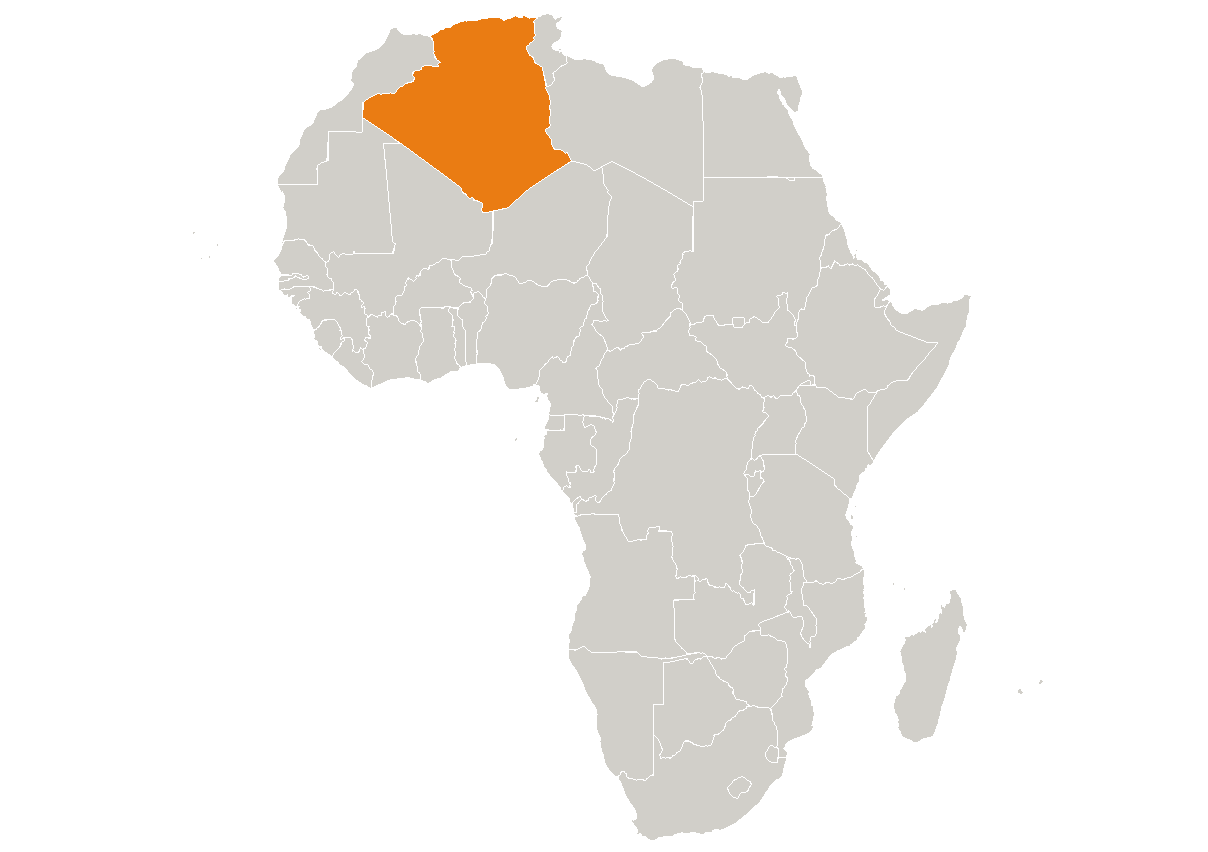
Algeria
Project Activities
- Technical and operational implementation of the five work packages.
- Personnel management, including recruitment, training, supervision, and coordination.
- Financial and administrative management (budget, expenditures, invoicing).
- Provision of materials and equipment required for project delivery.
- Monitoring, reporting, and knowledge capitalisation.
- Compliance with GIZ standards on quality, safety, gender, environment, and data protection (GDPR).
- Backstopping and quality assurance of all project activities and deliverables.
Key Deliverables
- New curricula and pedagogical materials
- Training and coaching sessions for teachers and instructors
- Development and implementation of a digital platform and the E‑Lab model
- School‑business cooperation agreements
- Gender action plan
Impact
Impact on target populations
Young people aged 15 to 24, particularly women and unemployed graduates, are the main beneficiary group. By 2028:
- 1,500 young people trained in technical or short refresher programmes will see their employability enhanced; at least 300 women will benefit directly.
- 720 beneficiaries (including 216 women) will see an improvement in their professional skills, as measured by self-assessment and market integration.
- Targeted measures (female mentoring, inclusive training, employment support) will be implemented to break down barriers to women's access to technical professions (renewable energy, ICT, green entrepreneurship).
Impact on institutions and stakeholders in the system (MFEP, TVET, businesses)
The project supports a structural transformation of the Algerian vocational training system:
- Training institutes (TVET) will become proactive stakeholders in co-construction with businesses, thanks to formalised partnership agreements and the cross-sector digital platform created during the first phase and extended to the whole country.
- Teachers and apprenticeship supervisors will strengthen their pedagogical and digital skills through practical training programmes and the operationalisation of the El Rahmania E-Lab, a national hub for digital innovation in training.
- The Ministry of Vocational Training and Education (MFEP) will receive methodological support and advice to institutionalise digital, gender and market analysis practices in its operations.
Systemic and sustainable impact
The targeted national leverage effects extend beyond the direct beneficiaries:
- Sustainable strengthening of public-private cooperation mechanisms, transforming public schools into actors integrated into local economic ecosystems (skills assessment and validation with businesses).
- Modernisation of curricula, integrating sustainability, digitalisation and skills-based teaching, thus ensuring a better match between training provision and market needs.
- Institutionalisation of inclusive and gender-sensitive approaches, helping to correct the low female participation rate in the labour market (currently 17%).
- Support for the formalisation of work, stimulating skilled self-employment and equipping young people with the skills they need to set up businesses in line with the legal framework.
Contributing to the UN Sustainable Development Goals
We are committed to making a positive impact and supporting the UN Sustainable Development Goals (SDGs). This project contributes to the following SDGs: