Supporting the Framework Conditions for a Climate-Sensitive Circular Economy in the Caribbean
Across the Caribbean, waste generation is rising at an alarming rate, driven by population growth, rapid urbanisation, shifting consumption patterns, and the region's heavy reliance on imported materials and tourism. Current estimates indicate that individuals generate between 0.7 and 2.8 kg of waste per day, whilst plastics represent one of the most pressing environmental challenges: more than 322,000 tonnes of plastic go uncollected annually across the region. Whilst policy interest in circular economy (CE) approaches is steadily growing, the region faces structural challenges in scaling up implementation, including the need to strengthen regulatory frameworks, expand financing options, and deepen knowledge transfer and technical expertise.
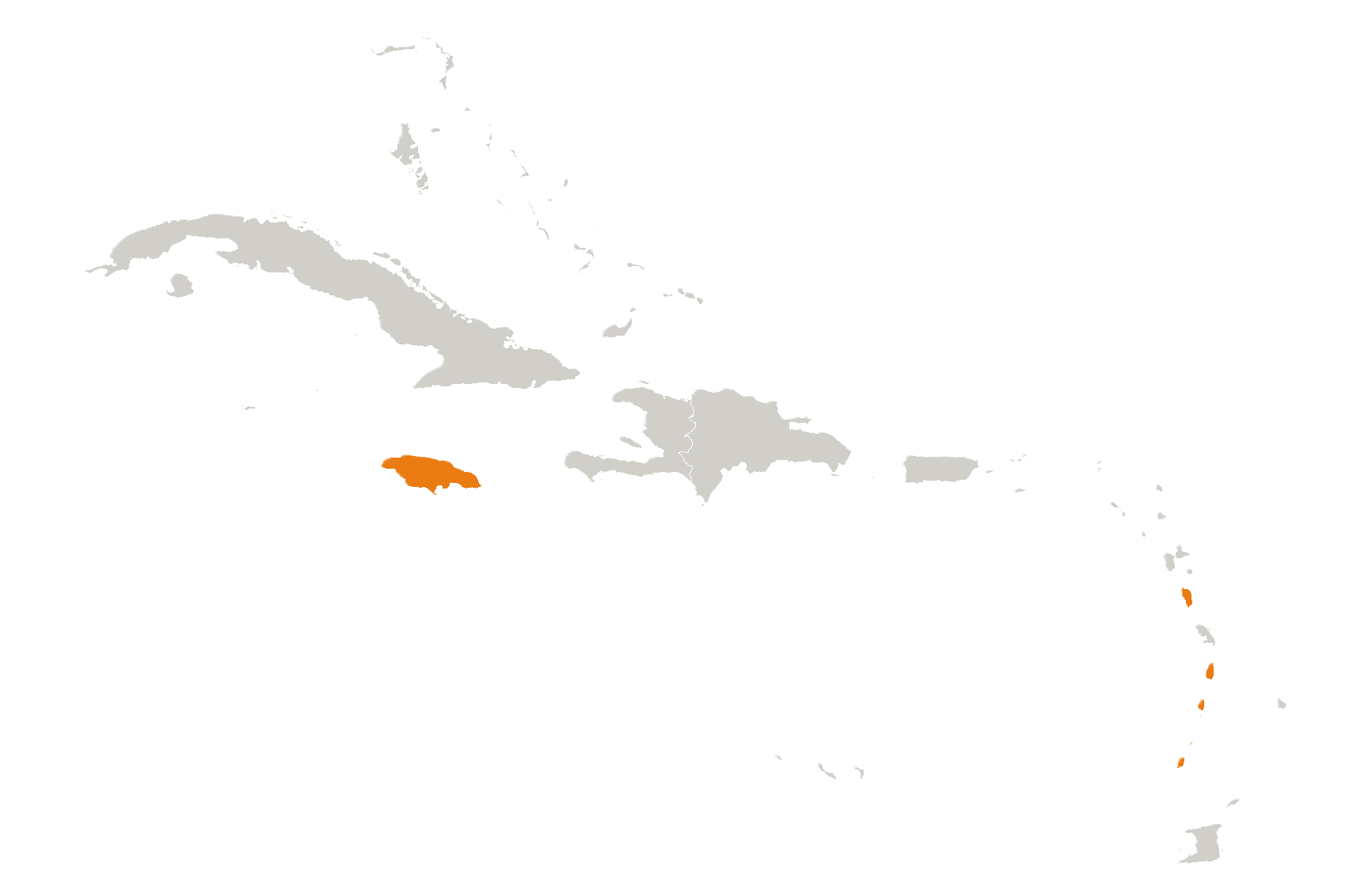
Against this backdrop, the GIZ project Supporting the Framework Conditions for a Climate-Sensitive Circular Economy in the Caribbean aims to strengthen the institutional and operational capacities of public and private actors to design and implement climate-sensitive circular economy measures across five Caribbean nations: Dominica, Grenada, Jamaica, St. Lucia, and St. Vincent and the Grenadines. The initiative is framed around the concept of "closing the material cycle," with a particular sectoral focus on tourism and agriculture, two pillars of Caribbean economies that generate significant waste streams and offer transformative potential for circular innovation.
Dorsch Impact GmbH, alongside its business partners Black Forest GmbH and Unite Caribbean Ltd. is responsible for delivering the technical advisory, capacity development, and communications activities for this project.
Disciplines
- Skills and Economic Development
- Sustainable Natural Resources Management
- Governance, Peace and Social Cohesion
- Climate Action
Client
Deutsche Gesellschaft für Internationale Zusammenarbeit GIZ GmbH, funded by BMZ
Duration
From 2026 to 2028
Location
Dominica, Grenada, Jamaica, St. Lucia, St. Vincent and the Grenadines
Project Activities
Institutional Component
- Policy and regulatory advisory: Supporting national actors in developing and refining circular economy strategies, roadmaps, and implementation plans aligned with national development frameworks and climate commitments
- Capacity development for public stakeholders: Designing and delivering targeted training programmes and facilitated stakeholder dialogues for government agencies, waste authorities, and national policymakers
- Incentive-system design: Advising on the development of economic and regulatory incentive mechanisms to accelerate the adoption of circular practices at national and sectoral levels
- Monitoring frameworks: Supporting the establishment of CE monitoring and evaluation systems to track progress and guide adaptive management
- Data management and digital tools: Strengthening national capacities in waste data collection, management, and digital reporting systems
Technical Component
- Pilot project support: Providing hands-on technical advisory to selected organisations to plan and implement pilot projects in climate-sensitive circular economy, with a focus on tourism and agriculture sectors
- Capacity development for waste authorities: Delivering specialised training and technical guidance to national waste management authorities on integrating circularity and climate mitigation into operational practice
- Circular business model development: Providing advisory services to strengthen bankable CE business models and investment concepts, including feasibility assessments covering economic, legal, and technical dimensions, and support aligned with the ACE Facility and potential CBF funding pathways
- Needs assessments: Conducting structured assessments to identify capacity gaps, priority intervention areas, and stakeholder needs at national level
- Communications and dissemination:
- Preparing targeted communication materials and awareness-raising content for regional and international audiences
- Participating in and supporting the organisation of four regional and/or international events
- Providing technical inputs and quality assurance for digital awareness campaign materials
Ad-hoc advisory services: Delivering demand-driven, responsive technical advisory on topics and measures defined jointly with GIZ project management throughout the project cycle
Impact
- Strengthened technical capacities: Selected organisations across five Caribbean countries will have enhanced planning and technical capabilities to design and implement pilot projects in climate-sensitive circular economy, directly improving their readiness for sustainable waste management transitions.
- National-level CE advancement: Public and private actors at the national level will benefit from strengthened human and technical capacities to adopt CE approaches, contributing to measurable progress on national waste reduction and climate adaptation targets.
- Enhanced regulatory environment: National waste authorities will be better equipped to promote and mainstream climate-sensitive CE policies, supported by improved monitoring frameworks and evidence-based regulatory guidance.
- Increased regional knowledge exchange: Through dissemination events and communications support, circular economy actors across the Caribbean will gain improved access to climate-sensitive CE practices, fostering peer learning and regional convergence on policy approaches.
Contributing to the UN Sustainable Development Goals
We are committed to making a positive impact and supporting the UN Sustainable Development Goals (SDGs). This project contributes to the following SDGs: