Support to the global Centres for Migration and Development project
Migration is a defining challenge of our time. In many countries across the Global South, fragile governance structures, limited institutional capacity, and insufficient integration of migration-related services continue to hinder sustainable, rights-based approaches to labour migration, return, and socio-economic reintegration. Ensuring that development investments leave lasting results, embedded in local partner structures, is critical to the long-term effectiveness of international cooperation in this sector.
Dorsch Impact is supporting GIZ's Global Project Centres for Migration and Development / Zentren für Migration und Entwicklung (ZME), a flagship initiative commissioned by Germany's Federal Ministry for Economic Cooperation and Development (BMZ) and a successor to the Programme Migration for Development (PME). The ZME project promotes safe and regular migration by providing advisory services on labour and training migration, whilst enabling the sustainable reintegration of returnees into their countries of origin.
Disciplines
- Skills and Economic Development
Client
Deutsche Gesellschaft für Internationale Zusammenarbeit (GIZ) GmbH, funded by BMZ
Duration
From 2026 to 2027
Location
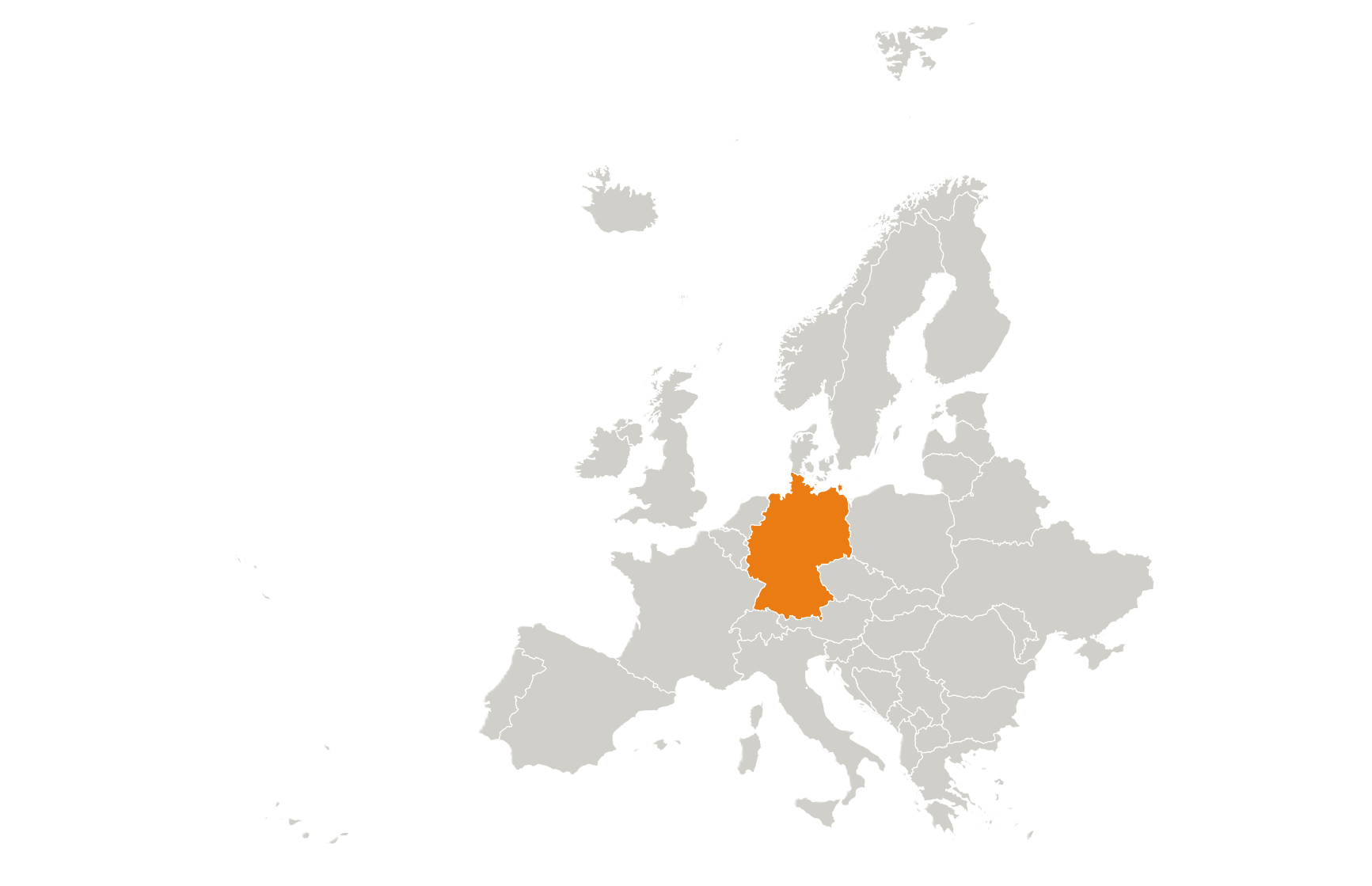
Germany
Project Activities
Institutional Component
- Conducting a desk review of relevant project documentation, including capacity development strategies, sustainability approaches, progress reports, and results data
- Developing interview guidelines and analytical frameworks for the structured assessment of regular migration, return, and socio-economic reintegration services
- Coordinating with GIZ on process steps, relevant actors, deliverables, and quality assurance throughout the assignment
- Implementing verification discussions with selected GIZ staff to validate findings and resolve open issues
- Contributing to knowledge management, cross-country learning, and the identification of scaling-up effects for future programming
Technical Component
- Designing the methodological approach for assessing the sustainable anchoring of PME/ZME-supported services in partner structures
- Preparing and conducting virtual interviews and stakeholder consultations with relevant internal and external actors
- Integrating qualitative findings and quantitative results data into a coherent analysis of capacity development, sustainability, institutional change, and partner ownership
- Drafting, revising, and finalising country-specific technical reports and public-facing documentation
- Mainstreaming cross-cutting topics such as gender equality, vulnerable groups, and digitalisation, throughout all analytical outputs
Impact
Institutional sustainability: The assignment generates rigorous evidence on how PME/ZME-supported services are anchored within partner structures, directly informing future programme design and resource allocation by BMZ and GIZ.
Capacity development evidence: By assessing the implementation of capacity development strategies and sustainability approaches, the project documents measurable changes in partner attitudes, institutional adaptation, and ownership of migration-related services.
Gender and social inclusion: The systematic integration of gender equality and vulnerable-groups analysis strengthens the equity dimension of migration programming.
Cross-country learning: Public-facing reports and structured knowledge products support evidence-based policy dialogue and enable the identification of scalable approaches across multiple partner countries.
Long-term relevance: The project's findings are designed to shape the next generation of GIZ migration programming, reinforcing sustainable, partner-led reintegration pathways and reducing dependency on external support.
Contributing to the UN Sustainable Development Goals
We are committed to making a positive impact and supporting the UN Sustainable Development Goals (SDGs). This project contributes to the following SDGs: