
Sanitation Programme: NEXUS and Resource Protection
Jordan’s population has grown significantly due to natural growth and refugee migration, increasing pressure on water resources and wastewater generation. To address this, the Water Authority of Jordan (WAJ) is implementing the Sanitation Programme: NEXUS and Resource Protection and Climate Change Mitigation Measures (CCMM), focusing on priority infrastructure measures from the National Wastewater Plan.
The projects include extending wastewater collection in Shafa Badran to ensure equitable sanitation. It also upgrades As Salt WWTP, IRBID CENTRAL WWTP and WADI ARAB WWTP to reduce untreated wastewater and increase safe reuse. Two hydropower plants on the main effluent pipeline at HPP Wadi Arab and HPP As Shounna with an estimate combined power of 3.5MW, that will improve energy efficiency and supports climate mitigation.
Overall, the project provides 50,000 people with sewer access, enables wastewater reuse for 40,000 more, and improves energy efficiency at As Salt WWTP, reducing energy consumption by at least 65%. The investment program is around 100M Euros.
Disciplines
- Municipal Infrastructure
- Water Resources Management
Client
Water Authority of Jordan (WAJ), financed by KfW
Duration
From 2017 to 2028
Location
Jordan
Project Activities
Component 1: Sewer System Shafa Badran
Includes a new sewer network, house connections, pump station, and force main to improve wastewater collection and treatment.
Component 3: As Salt Wastewater Treatment Plant (Rehabilitation & Extension)
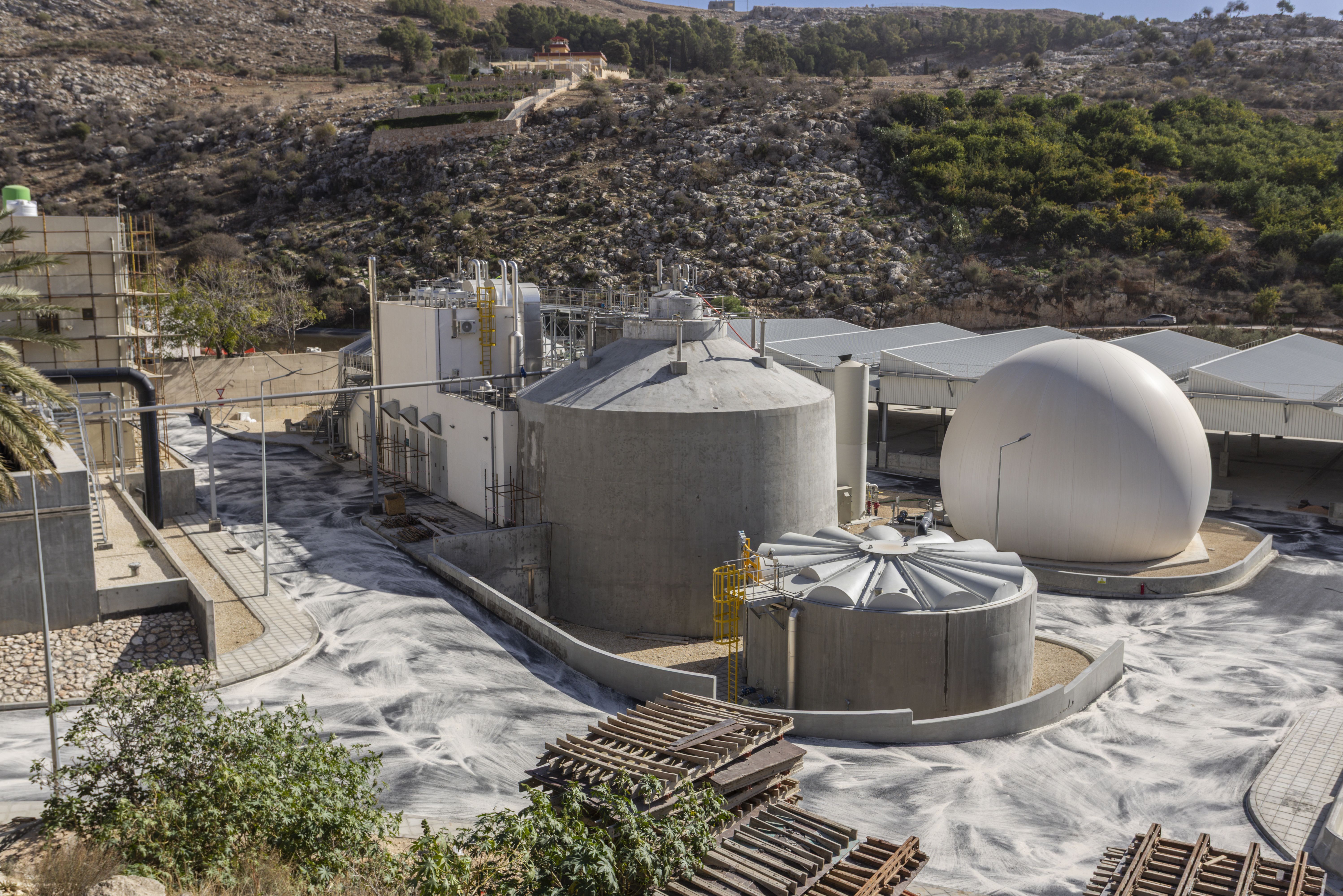
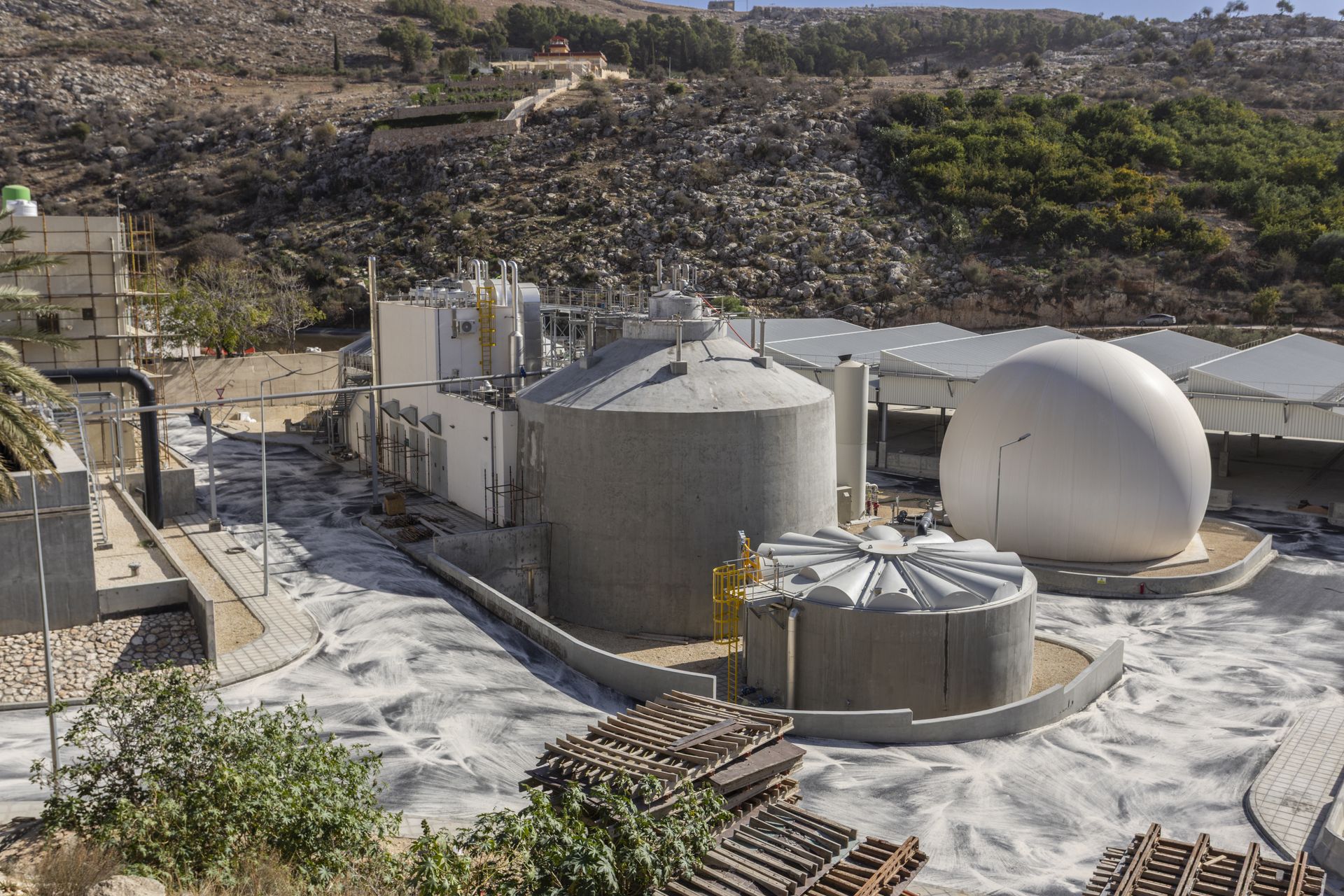
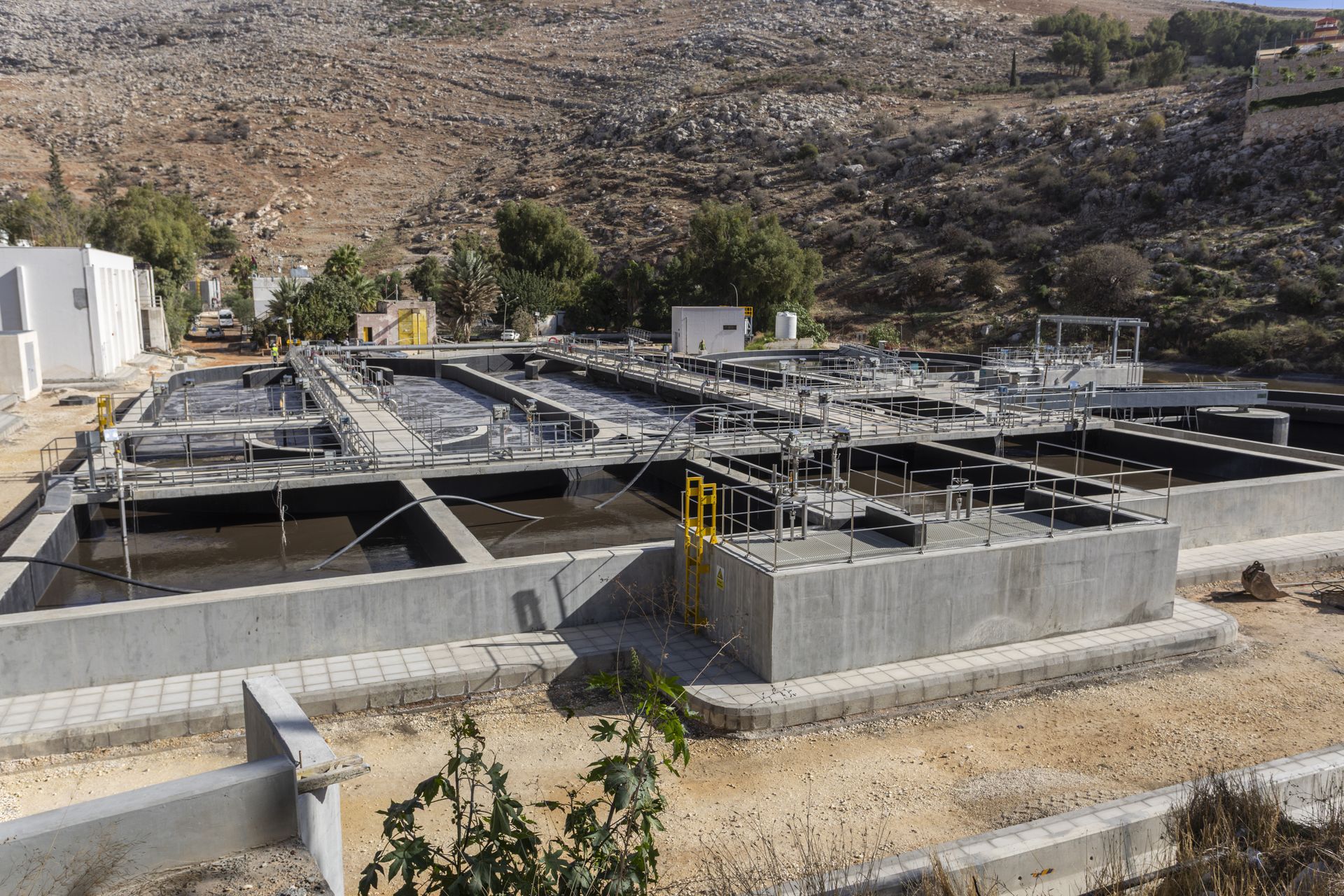
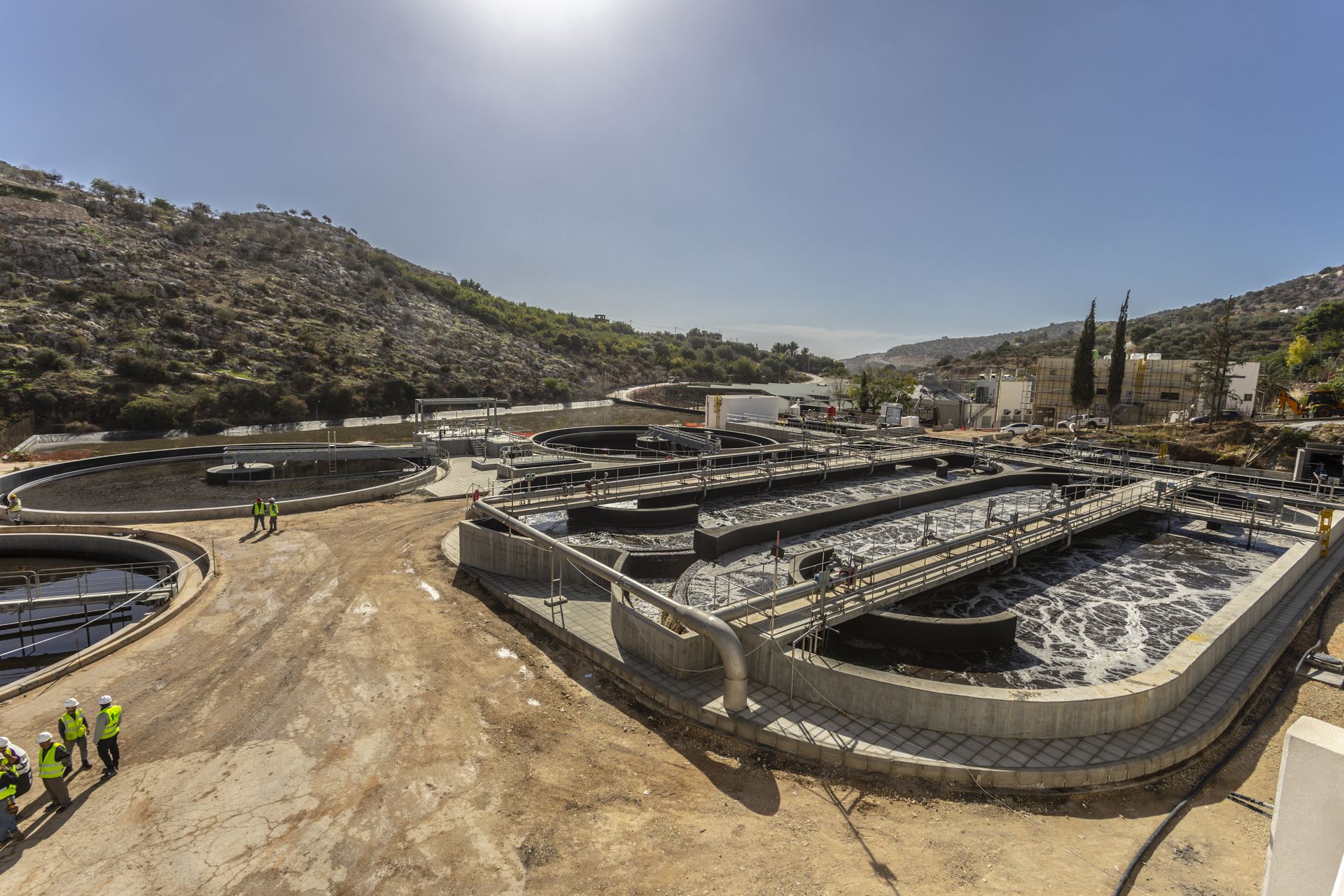
Several options were considered, including a new WWTP 10 km away. To meet effluent standards, advanced nutrient removal using the activated sludge process is required. Sludge will be anaerobically digested, producing 35% of the plant’s electricity needs, then mechanically dewatered and dried. Effluent will be used for irrigation, and solar panels will be installed on the sludge storage roof. CHP and Photovoltaic Panels will be responsible for 65% of energy generation.
Main activities: Coarse and Fine Screens; Odour Control; Grit & Grease Chamber; Influent Flow Measurement; Primary Settling Tanks; Primary Sludge Pumping Station; Blower Station; Final Settling Tanks; Sand filter; Return Sludge Pumping Station; Waste Activated Sludge (WAS) Pumping Station; Effluent Control Chamber; Sludge Thickeners; Thickened Sludge Pumping Station; Gas Collection System; Gas Treatment and Storage; Power Generation and CHP; Anaerobic Digesters; Sludge Storage Tanks; Sludge Dewatering
Component 4: As Shounna Hydropower Station
Two small hydropower plant will be built to harness the area’s topography and support reclaimed water use for irrigation.
CCMM - Phase 2 Part 2
- Rehabilitation of the IRBID CENTRAL WWTP
- Rehabilitation of the WADI ARAB WWTP
- Integration of renewable energy through Anaerobic sludge digesters and CHP to generate energy and to avoid/reduce methane emissions. The CHP units are estimated to produce an average of 10,700 kWh per day at design horizon 2035,. Additional energy supply through a planned hydropower plant is considered in the energy balance of the WWTPs.
- Integration of sludge treatment including sludge thickeners
- Auto- Control via the PLC / SCADA
- Main activities similar to NEXUS Component 3
Impact:
- Improved sewerage and wastewater services for around 90,000 inhabitants.
- Energy savings of at least 10 % at the upgraded As Salt WWTP, with renewable energy covering up to 70 % of operational needs.
- Enhanced water security through safe effluent re‑use for irrigation, reducing pressure on freshwater resources.
- Strengthened institutional capacity in energy‑efficient and climate‑smart wastewater management.
- Contribution to Jordan’s climate adaptation and decarbonisation goals through integrated NEXUS‑based infrastructure.
Contributing to the UN Sustainable Development Goals
We are committed to making a positive impact and supporting the UN Sustainable Development Goals (SDGs). This project contributes to the following SDGs:
Project Images
 Enlarge image
 Enlarge image
 Enlarge image