Resilient Cities: Comprehensive Risk Management Approaches, CiRes
Ecuador is acutely exposed to the compounding impacts of climate change and geophysical hazards. Shifting rainfall patterns, prolonged droughts, flash floods, landslides, seismic activity, and volcanic eruptions place the country's rapidly urbanising intermediate cities under increasing stress. Existing urban development frameworks have struggle to provide the integrated risk management tools necessary to address these overlapping vulnerabilities in a systematic and forward-looking manner.
In response, the Governments of Ecuador and Germany have joined forces to support the resilient transformation of Ecuador's cities. The CiRes project, Resilient Cities: Comprehensive Risk Management Approaches, Including Current and Future Climate and Disaster Risks, implemented in a joint venture with NIRAS Germany, works to embed integrated risk management into national and local urban development policies and planning processes. The project directly advances Ecuador's Agenda for Sustainable Urban Development 2036 (AHSE 2036) and contributes to the country's commitments under the Paris Climate Agreement, the Sendai Framework for Disaster Risk Reduction, the New Urban Agenda, and the UN Sustainable Development Goals.
Disciplines
- Climate Action
Client
Deutsche Gesellschaft für Internationale Zusammenarbeit (GIZ) GmbH funded by BMZ
Duration
From 2025 to 2026
Location
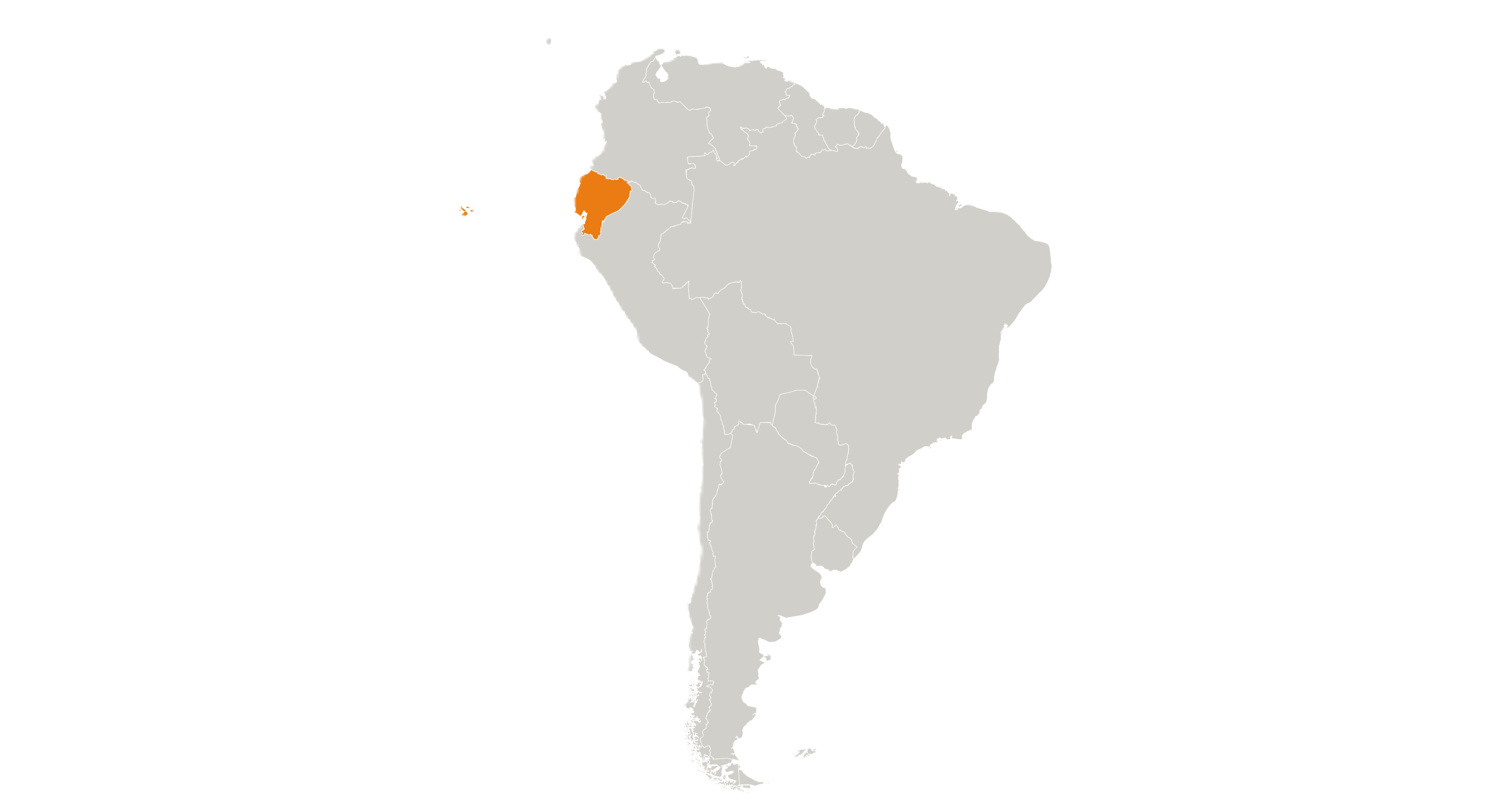
Ecuador
Project Activities
Institutional Component: National Policy and Cross-Sectoral Strengthening
- Supporting the participatory development of public policy instruments that integrate comprehensive management of current and future climatic and geophysical risks
- Strengthening cross-sectoral coordination mechanisms between national institutions responsible for urban development and disaster risk reduction
- Advising on the alignment of national risk management frameworks with international commitments (Paris Agreement, Sendai Framework, SDGs, New Urban Agenda)
Technical Component: Local Capacity Development and Urban Planning
- Strengthening the capacities of municipal actors to apply national urban resilience instruments at the local level
- Reinforcing the institutional structures of selected intermediate cities to incorporate integrated risk approaches into urban planning processes
- Providing technical advisory support for the design and implementation of urban investment projects with embedded climate and disaster risk considerations
- Developing awareness-raising initiatives targeting local stakeholders across multiple sectors
Knowledge Exchange and Multi-Stakeholder Cooperation
- Facilitating knowledge exchange and experience-sharing between cities, public authorities, civil society networks, and academic institutions
- Establishing and supporting technical information transfer networks within a multi-actor, multi-level framework
- Promoting south-to-south and triangular cooperation in the area of urban resilience
Impact
Policy integration: Comprehensive risk management approaches, encompassing both climate and geophysical hazards, are being embedded into national and local urban development legislation and planning instruments, creating lasting institutional foundations for resilient city-building.
Strengthened local governance: Selected intermediate cities are developing enhanced institutional capacities to apply national resilience instruments, improving their ability to anticipate, absorb, and recover from climate and disaster shocks in line with ISO 37123 standards.
Sustainable urban investment: Urban planning and public investment projects in targeted municipalities are being redesigned to sy
Contributing to the UN Sustainable Development Goals
We are committed to making a positive impact and supporting the UN Sustainable Development Goals (SDGs). This project contributes to the following SDGs: