ProDéCID III Projet de Développement Communal Inclusif et de Décentralisation
In Madagascar, local governments face significant challenges in transparent financial management, citizen participation, and the effective delivery of public services. To address these constraints, the Deutsche Gesellschaft für Internationale Zusammenarbeit (GIZ) GmbH supports the third phase of the Project for Inclusive Communal Development and Decentralisation (ProDéCID) – Advice and support for the promotion of social and political participation in GIZ partner communes in Madagascar.
The programme strengthens 90 GIZ partner communes across the regions of Boeny and Diana, as well as Antananarivo and the Grand Tana area, by promoting accountable governance, participatory planning, and closer collaboration between public institutions and civil society. Further, it supports the strengthening of civil society by providing capacity building to civil society organisations in the framework of the project component Fainanga+, co-financed by the EU, France, and Monaco.
The project contributes to national decentralisation efforts and supports multi‑actor frameworks aligned with Madagascar’s governance reform agenda. Dorsch Impact provides targeted advisory support on social and political participation, with a specific focus on strengthening civil society organisations (CSOs) and operationalising inclusive participation mechanisms at local, regional and national levels.
Disciplines
- Governance, Peace and Social Cohesion
Client
Gesellschaft für Internationale Zusammenarbeit (GIZ) GmbH, funded by BMZ
Duration
From 2024 to 2026
Location
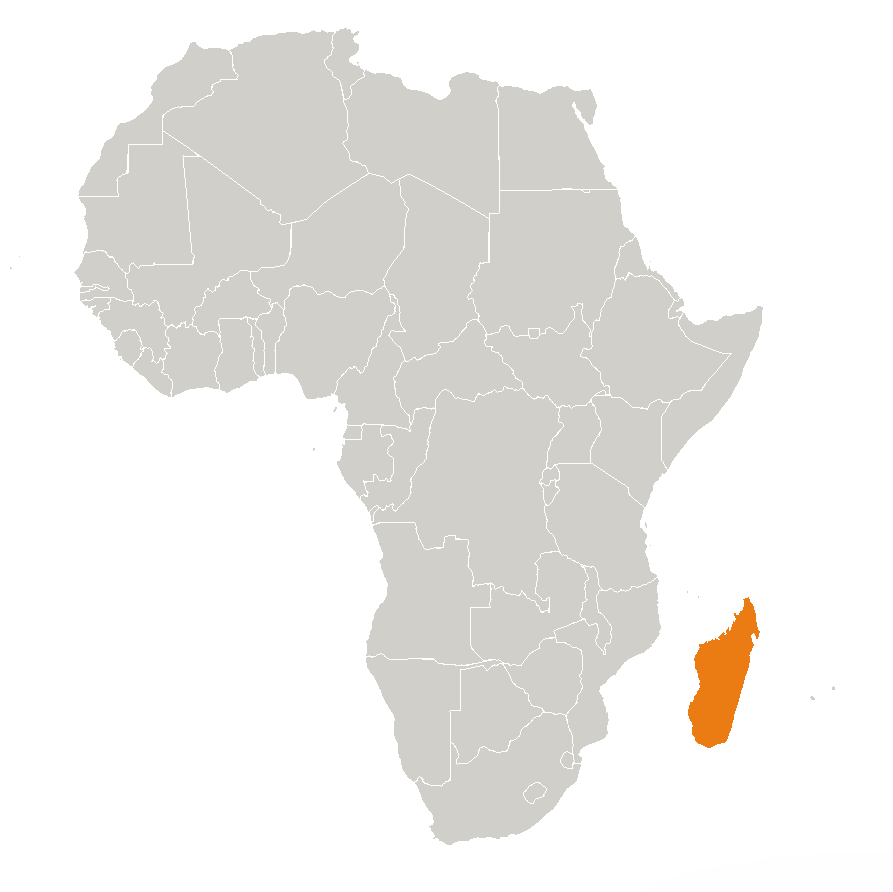
Madagascar
Project Activities
Institutional Component
Supporting multi‑actor dialogue formats between communes, regions, civil society and central government
- Training and coaching for facilitators on inclusive, participatory methods
- Workshops on participatory and inclusive facilitation and visualisation
Strengthening civil society organisations at local, regional and national levels
- Participatory study on CSO roles, constraints, and governance standards
- Capacity development on political and social participation (PSP)
Enhancing protection frameworks for human rights defenders and whistle-blowers
- Mapping actors and actions in protection systems
- Developing a compendium of good practices and establishing a shared roadmap
- Facilitating virtual exchanges with countries showcasing successful protection models
Technical Component
Assessing and operationalising local citizen participation structures, including communal consultation bodies (SLCs)
- Diagnostic of participation spaces in 30 communes
- Designing improved methodologies for SLC establishment and operation
Supporting organisational development of CSOs and networks
- Governance assessments and mapping of practices
- Codes of conduct/systems co‑developed through participatory processes
- Internal and partner trainings, plus tailored coaching for major CSOs
Impact
- Strengthened multi‑level governance and improved dialogue between communes, citizens and national institutions.
- Increased use of inclusive participation formats, contributing to more transparent and responsive local decision‑making.
- Enhanced organisational capacities of CSOs, enabling them to effectively engage in policy processes and public oversight.
- Improved protection mechanisms and knowledge exchange for human rights defenders, supporting long‑term civic resilience.
- Contribution to sustainable decentralisation reforms and more accountable local governance structures across Madagascar.
Contributing to the UN Sustainable Development Goals
We are committed to making a positive impact and supporting the UN Sustainable Development Goals (SDGs). This project contributes to the following SDGs: