Mobilisation of Technical Expertise to Establish a Financing Mechanism for Sanitation Infrastructure
Only 45% of the population of Mali have access to basic sanitation services – 56% in urban areas and as low as 37% in rural communities. The country confronts severe environmental and public health challenges, as inadequate sanitation infrastructure leads to widespread water pollution from untreated sewage, waste, and faecal contamination, disproportionately affecting women and girls.
To address this structural deficit, Dorsch Impact has been commissioned to support the Mali SANYA Programme, a GIZ-funded initiative covering 42 partner municipalities across six inter-municipal associations and serving a population of over 1.46 million people. The assignment focuses on developing the institutional framework and establishing a sustainable financing mechanism for sanitation infrastructure, whilst strengthening knowledge and awareness on environmentally responsible behaviour.
Dorsch Impact's mandate is to conduct a comprehensive feasibility study on financing instruments for the planning, construction, and operation of sanitation infrastructure across Mali, contributing directly to the objectives of the National Strategy for Emergence and Sustainable Development (SNEDD 2024–2033) and advancing progress on UN Sustainable Development Goals.
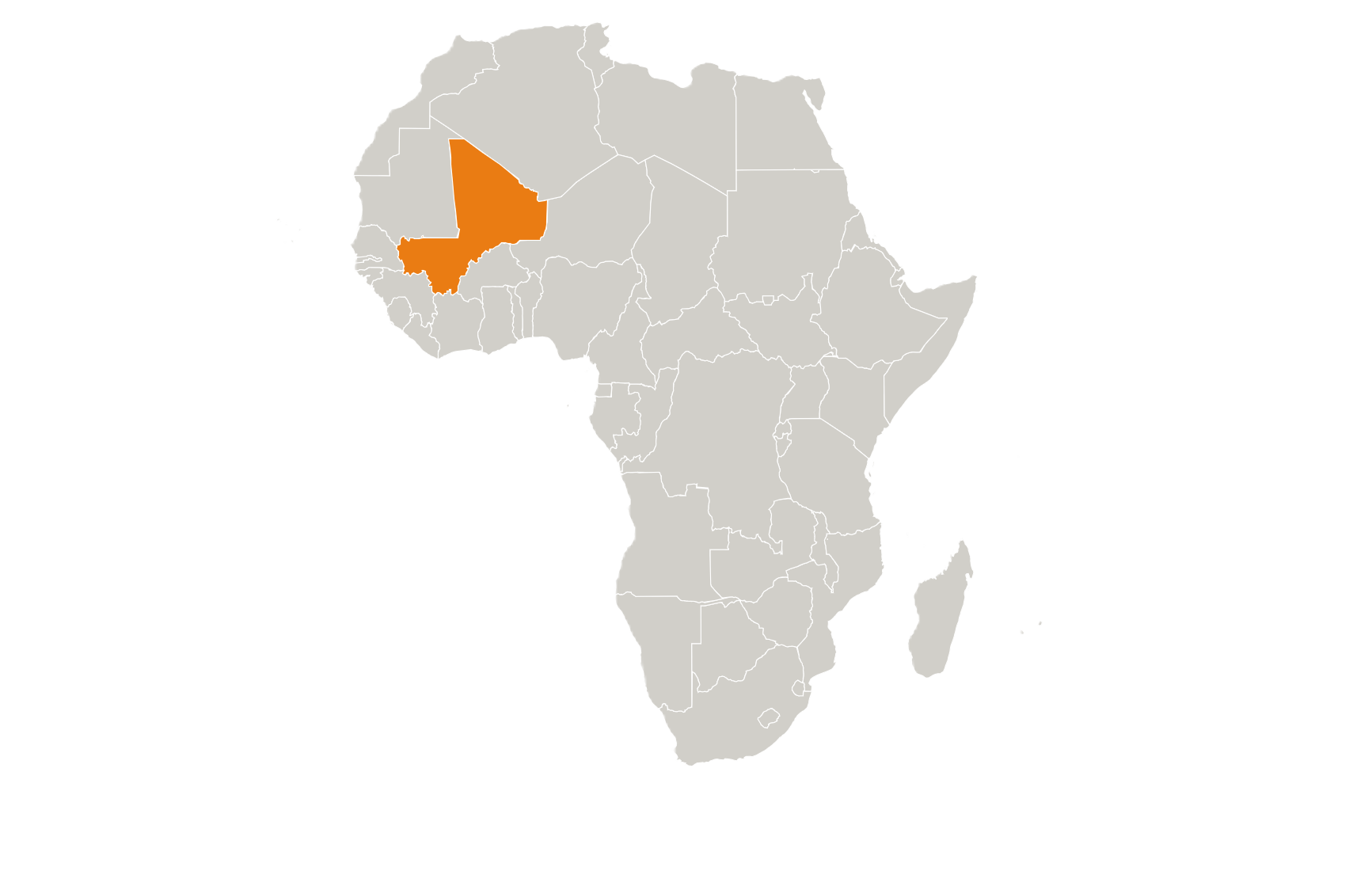
Areas of Expertise
- Municipal Infrastructure
- Water Resources Management
- Skills and Economic Development
- Governance, Peace and Social Cohesion
Client
Deutsche Gesellschaft für Internationale Zusammenarbeit (GIZ) GmbH
Duration
From 2026 to 2027
Location
Mali
Project Activities
Institutional Component
- Analysing the institutional and sectoral sanitation landscape in rural Mali, including a review of governance structures and stakeholder roles
- Assessing the capacity of existing institutional bodies to manage a national sanitation trust fund
- Exploring options and modalities for establishing a national fund dedicated to financing sanitation infrastructure projects
- Recommending fit-for-purpose options for a sustainable, long-term financial mechanism aligned with national policy frameworks
- Consulting with key public, technical, and financial stakeholders to ensure broad sector buy-in and coordination
Technical Component
- Developing a financial mobilisation strategy covering both internal (domestic) and external (international) funding sources
- Designing a funding allocation strategy for beneficiaries, including selection criteria for eligible projects
- Establishing a fund allocation mechanism grounded in the principles of good governance and competitive, transparent selection
- Developing practical tools and standards for financing implementation, including:
- A fundraising guide
- A procedures manual
- A collection of sector-specific standards
- Facilitating three structured validation workshops with institutional stakeholders and technical and financial partners to present and consolidate findings
Impact
Strengthened institutional foundations: The assignment directly supports the development of a governance framework and financing architecture capable of channelling targeted investment into Mali's chronically underfunded sanitation sector.
Expanded access to sanitation: By establishing a credible and operational financing mechanism, the project contributes to improving sanitation services for a programme population of over 1.46 million people across 42 municipalities.
Gender-responsive development: With women comprising approximately 51% of the target population, improved sanitation infrastructure is expected to deliver direct benefits for gender equity, health, and safety.
Policy alignment and sustainability: The work is embedded within Mali's SNEDD 2024–2033 framework, ensuring that outcomes are anchored in national development priorities and positioned for long-term institutional uptake.
Contributing to the UN Sustainable Development Goals
We are committed to making a positive impact and supporting the UN Sustainable Development Goals (SDGs). This project contributes to the following SDGs: