
LOCAT - Supporting the Localization of National Climate Adaptation Targets
Bangladesh is one of the world's most climate-vulnerable nations, where rapid urbanisation compounds the risks posed by flooding, extreme heat, and ecosystem degradation. Urban areas have been identified as one of eight priority sectors in Bangladesh's National Adaptation Plan (NAP), which maps adaptation needs through 2050 and sets out climate-resilient, nature-positive urban development as a core national goal. Translating these national targets into locally actionable plans remains a critical institutional challenge.
The GIZ LOCAT Project, "Support for the Localisation of National Climate Adaptation Targets in Bangladesh", aims to strengthen the institutional frameworks and operational capacities needed for the development and implementation of City Climate Action Plans (CCAPs) in selected national and local administrations. Dorsch Impact GmbH is assigned to deliver a comprehensive technical package across two partner cities: Chapai Nawabganj and Sirajganj.
Areas of Expertise
- Climate Action
Client
Deutsche Gesellschaft für Internationale Zusammenarbeit (GIZ) GmbH, funded by BMZ
Duration
From 2026 to 2027
Location
Bangladesh
Project Activities
Institutional Component
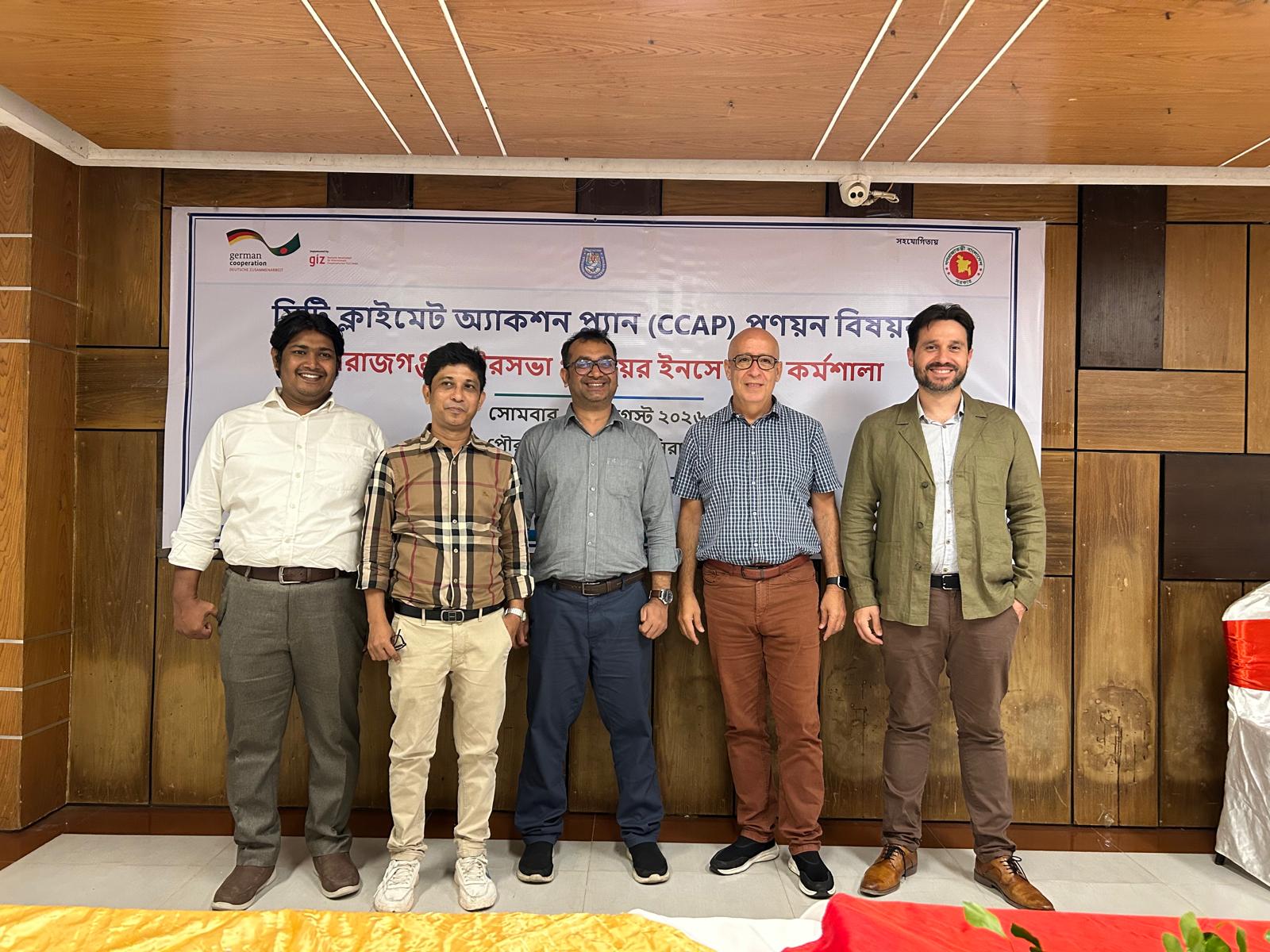
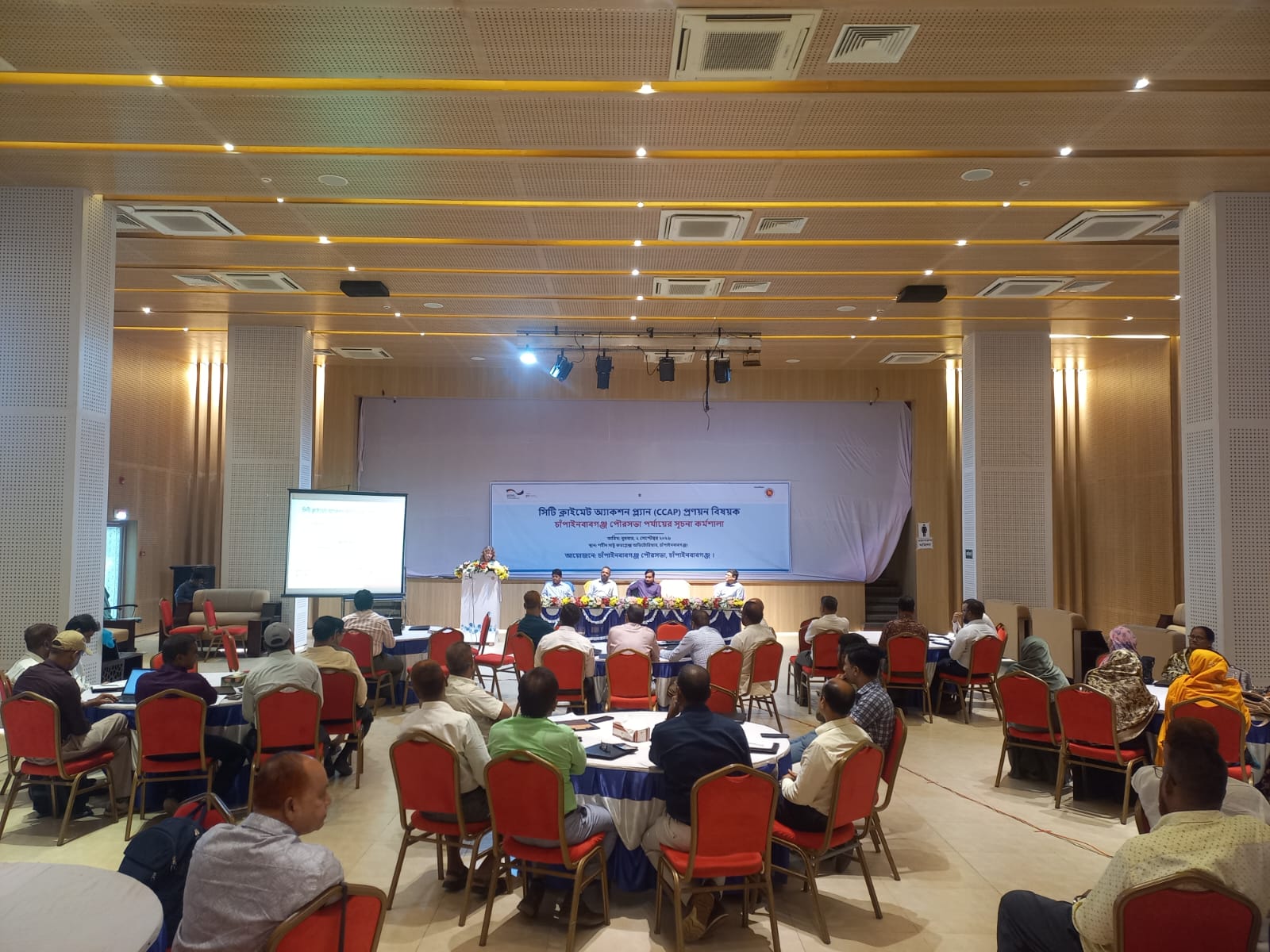
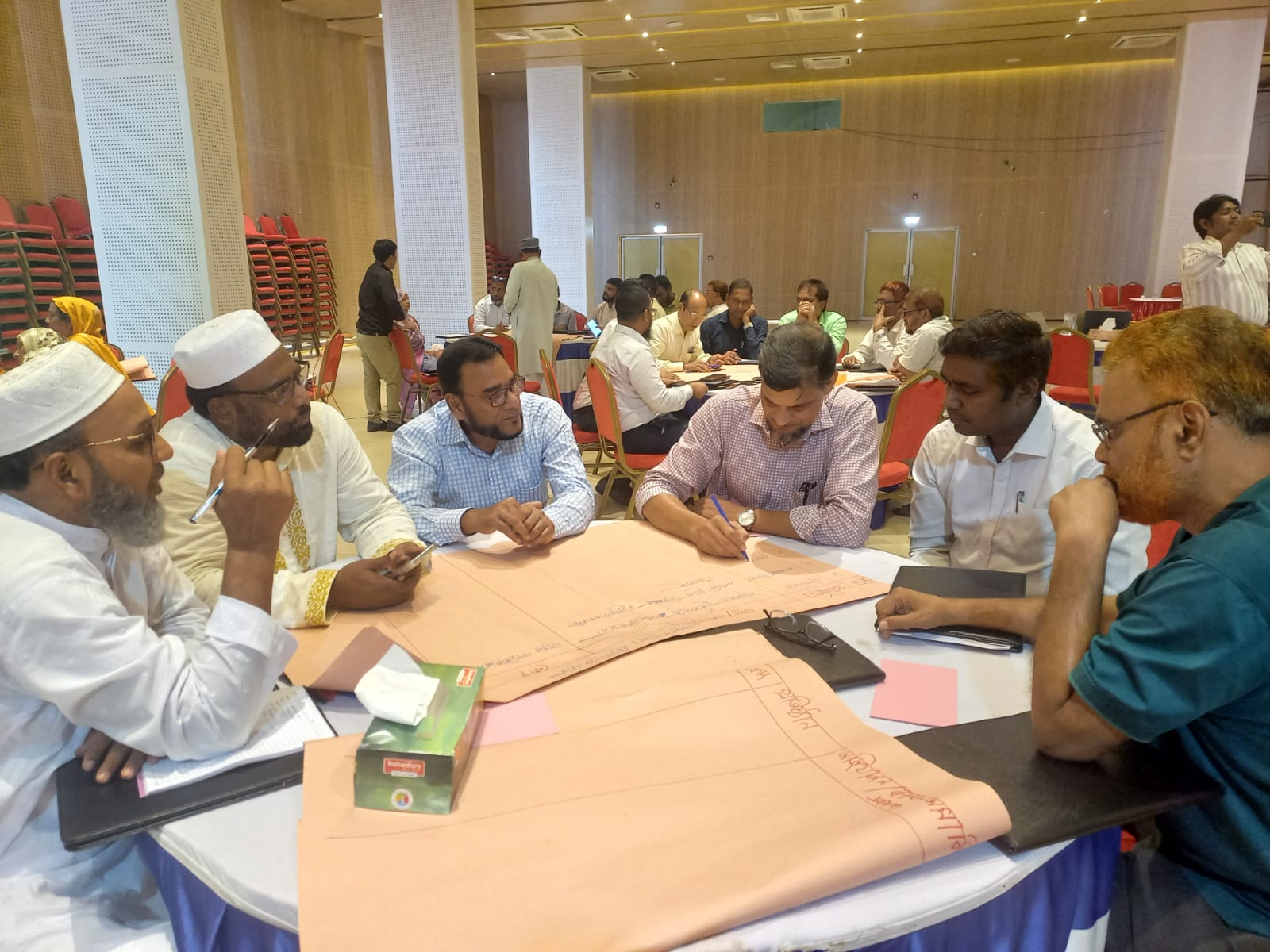
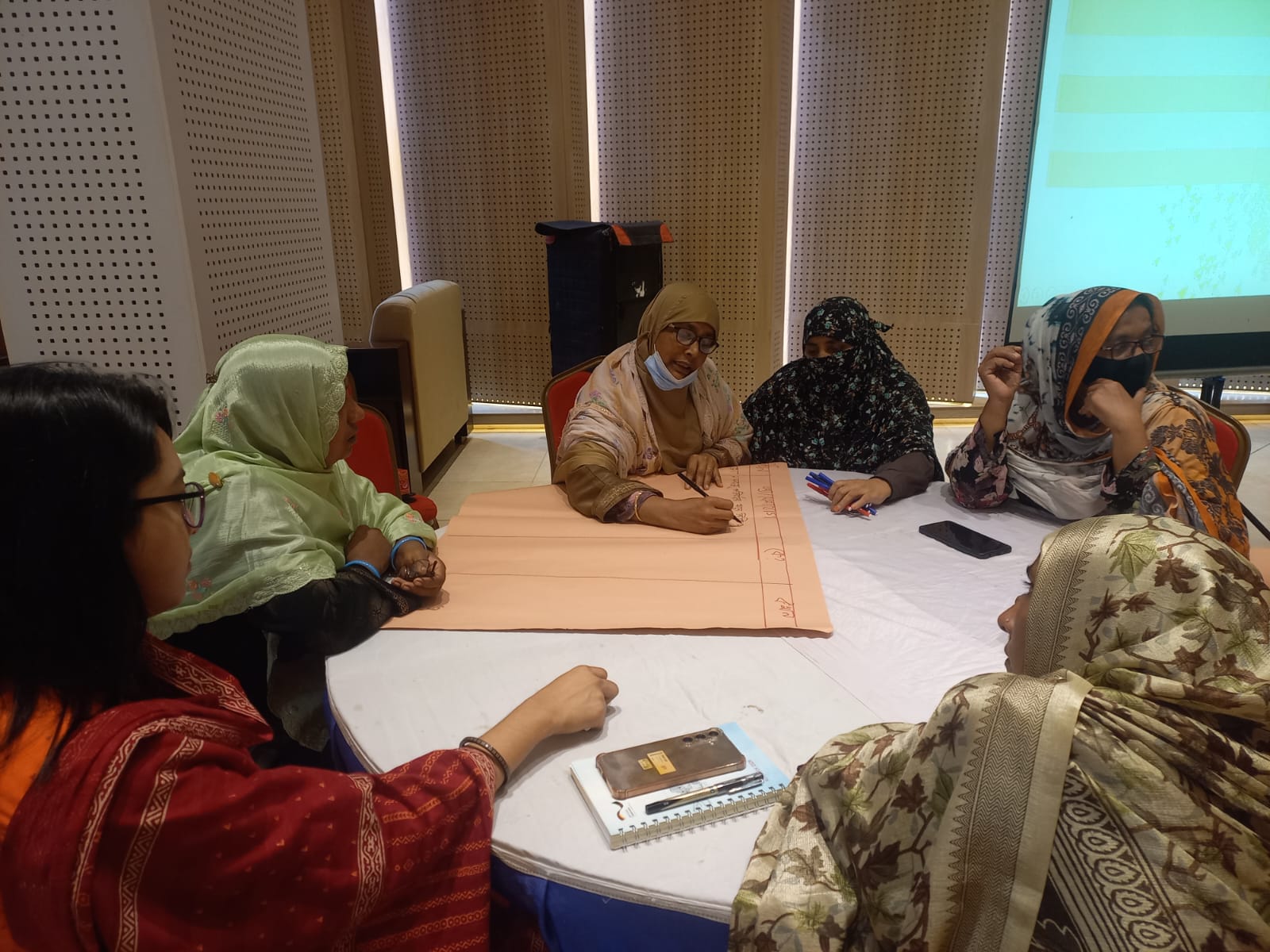
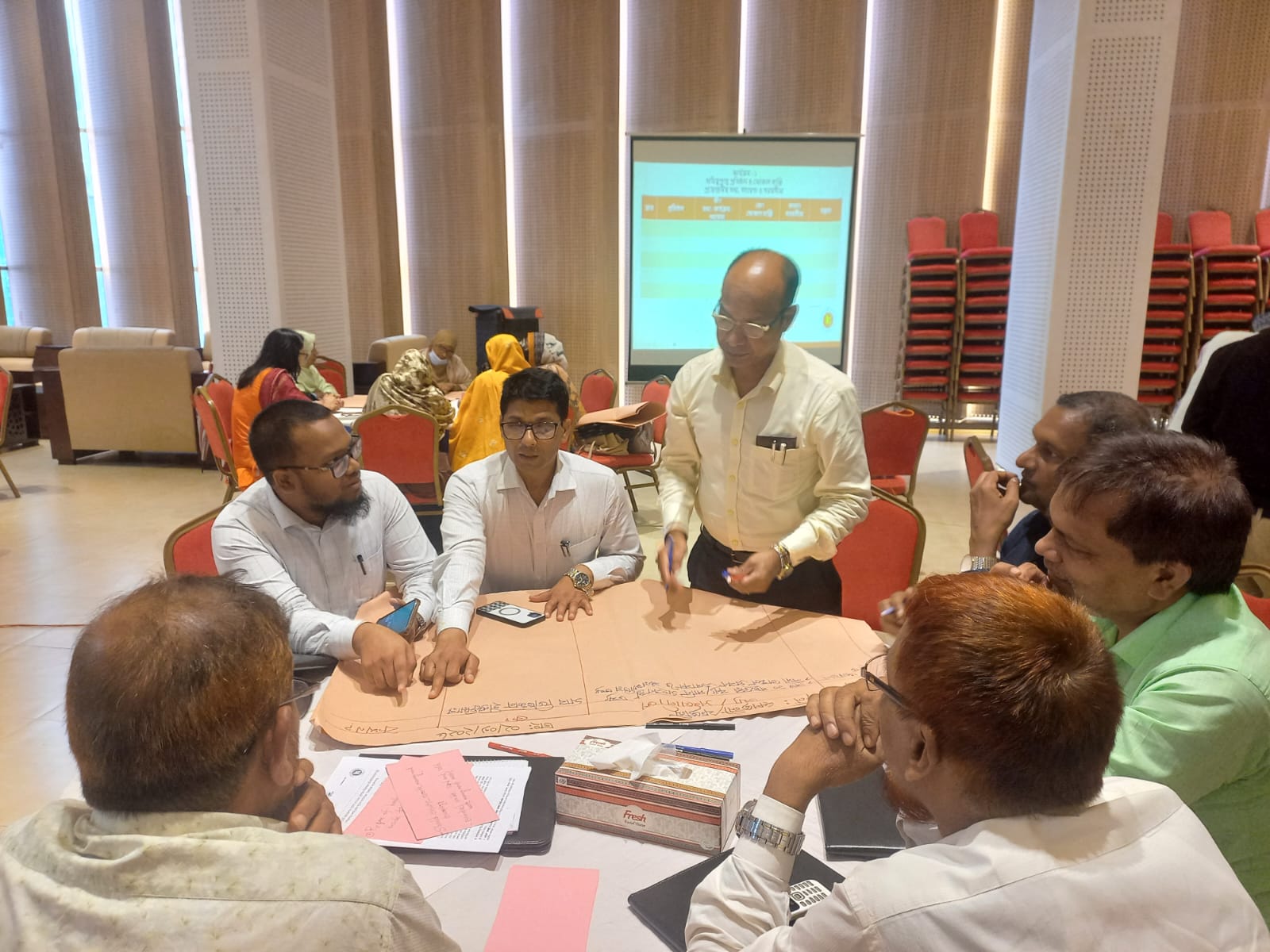
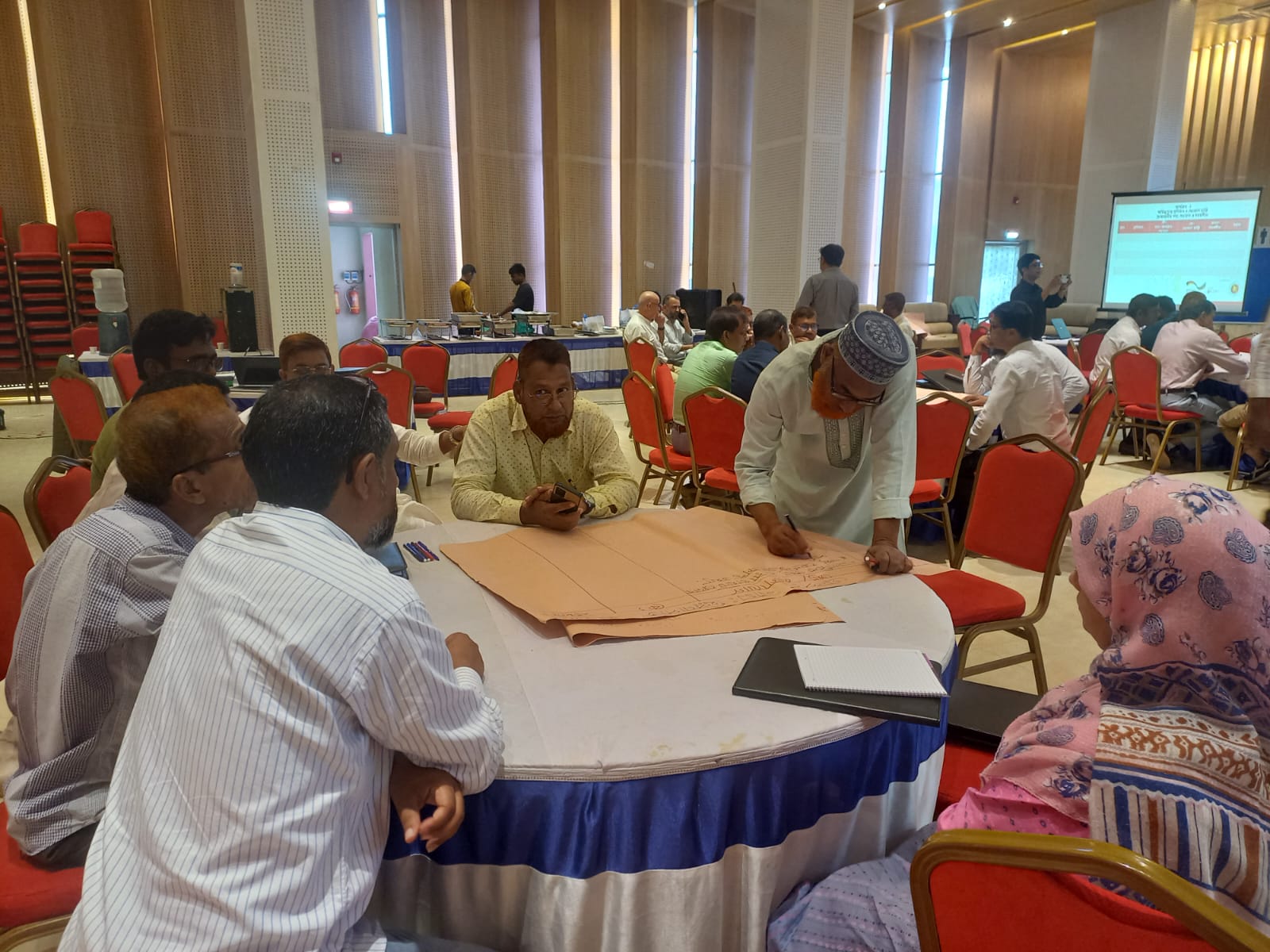
- Inception workshops in Chapai Nawabganj and Sirajganj: engage municipal staff, citizen committees, political leaders, and representatives of vulnerable communities to align visions and priorities with assignment objectives
- Establishing and facilitating CCAP Steering Committee meetings to ensure governance continuity and accountability
- Conducting orientation sessions on CCAP methodology to build foundational institutional understanding
- Defining roles, responsibilities, and accountability mechanisms for implementing entities through workshop-based processes and standardised reporting formats
- Delivering CCAP capacity development sessions for each partner city, building long-term local ownership and institutional sustainability
Technical Component
- Reviewing data sufficiency and existing sources, including historical climate data, socio-economic indicators, and environmental and biodiversity datasets
- Conducting ward-level consultations to capture community-level climate vulnerabilities
- Assessing biodiversity and ecologically significant areas, mapping exposure hotspots, ecological zones, and sensitive population groups
- Evaluating air, water, soil, and noise quality and assessing solid waste, water, wastewater, food, and energy management
- Preparing Climate Change Vulnerability and Risk Assessment reports, integrating climate risk mapping, adaptation and mitigation inventories, biodiversity profiles, and socio-economic vulnerability analysis
- Developing prioritisation criteria (cost, urgency, feasibility) and cost-benefit analyses for selected adaptation actions
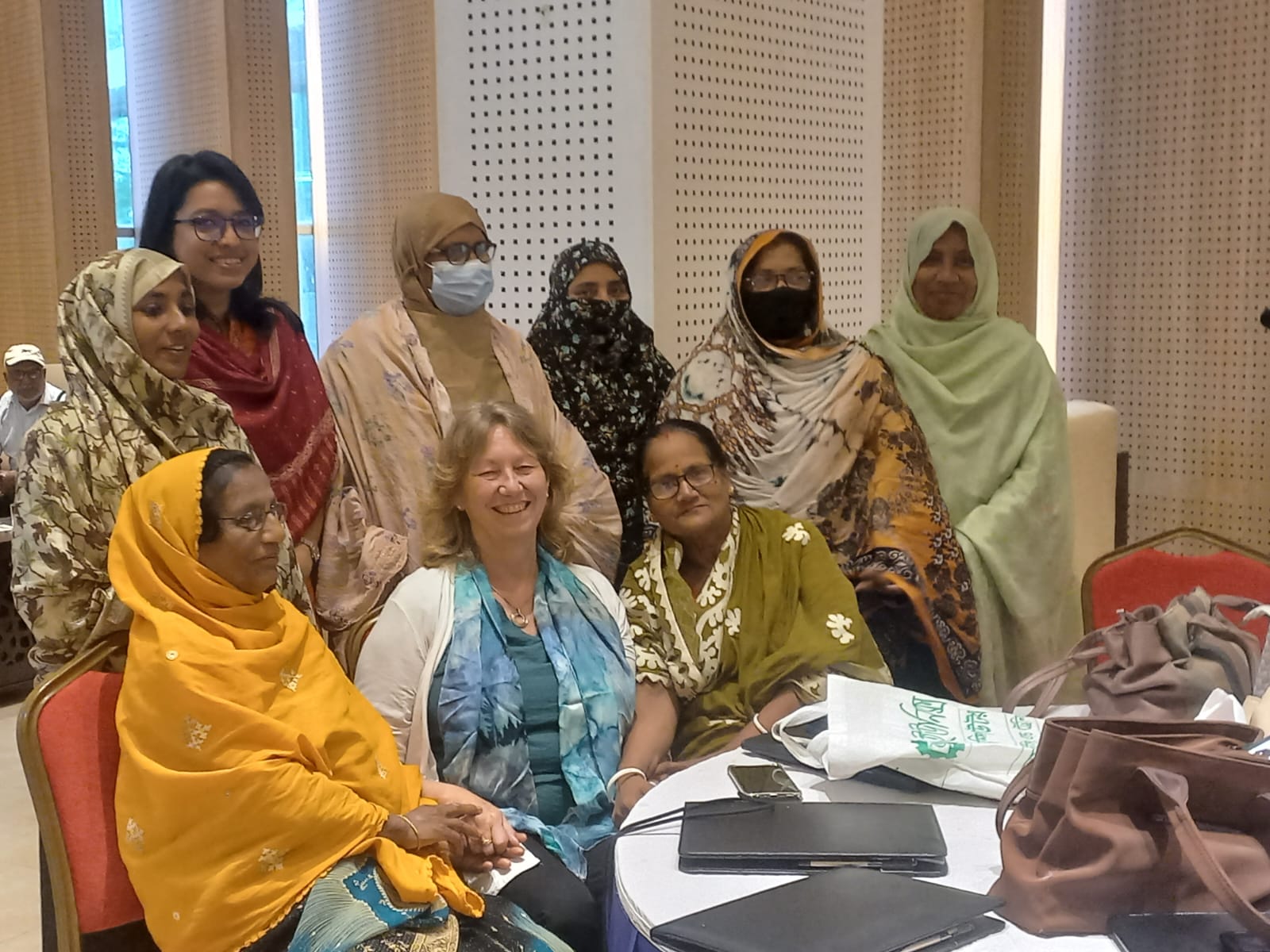
- Conducting participatory planning workshops, explicitly involving women, youth, and vulnerable groups in co-design processes
- Facilitating validation and scenario-planning sessions to stress-test city-wide climate risk management strategies
- Developing detailed CCAP Implementation Plans with timelines, division of labour, budget estimates, and funding strategies
- Designing Monitoring, Evaluation, and Learning (MEL) frameworks and indicators, incorporating adaptive management and feedback loops
- Producing finalised CCAPs for both partner cities, including all annexes, in both Bangla and English, with full handover of source data, visuals, and databases in editable formats
- Organising national-level and city-level sharing workshops to disseminate final CCAPs, lessons learnt, and recommendations
Impact
Stronger Institutions: National and local administrations in two Bangladeshi cities, Chapai Nawabganj and Sirajganj, will have enhanced capacity to develop and implement CCAPs aligned with the NAP, contributing to a measurable improvement in sub-national climate governance.
Community reach: Ward-level consultations will engage up to 1,500 community representatives across 30 wards, ensuring that local adaptation priorities reflect the needs of the most vulnerable groups, including women and youth.
Policy coherence: The project directly advances Bangladesh's NAP implementation, contributing to national commitments under the Paris Agreement and supporting progress on four UN SDGs.
Long-term sustainability: By embedding MEL frameworks, adaptive management mechanisms, and local ownership processes, the project ensures that climate action planning capacity persists beyond the project cycle.
Nature-positive approach: The integration of nature-based solutions (NbS) and ecosystem-based adaptation (EbA) into CCAPs supports biodiversity conservation alongside climate resilience, reflecting international best practice in urban adaptation planning.
Contributing to the UN Sustainable Development Goals
We are committed to making a positive impact and supporting the UN Sustainable Development Goals (SDGs). This project contributes to the following SDGs:
Project Images
 Enlarge image
 Enlarge image
 Enlarge image
 Enlarge image
 Enlarge image
 Enlarge image
 Enlarge image
 Enlarge image
 Enlarge image