Increasing the Reuse Rate of Treated Wastewater – STEP III
In Tunisia, the reuse of treated wastewater represents a key approach to reducing water scarcity and adapting to climate change. The country’s national water strategy and Nationally Determined Contribution (NDC) both emphasise the strategic importance of wastewater reuse (REUT) as part of a sustainable response to increasing water stress. The project supports this national agenda and contributes to the forthcoming National Master Plan for the Reuse of Treated Wastewater and the Water Reuse 2050 Master Plan.
Commissioned by the National Sanitation Office ONAS, funded by the German Government through KfW Development Bank, the accompanying measure complements the main programme Rehabilitation and Extension of Wastewater Treatment Plants and Pumping Stations I–III. It builds national capacity to raise the reuse rate of treated effluent and to align operational practices with climate adaptation goals.
The measure focuses on institutional and technical strengthening across Tunisia’s water reuse sector. It promotes effective coordination, transparent quality assurance, and evidence‑based decision‑making among key stakeholders including ONAS, the Ministry of Agriculture, Water Resources and Fisheries, local utilities, and research institutions, thereby contributing to sustainable and climate‑resilient water management at national and regional levels.
Disciplines
- Municipal Infrastructure
- Sustainable Natural Resources Management
- Climate Action
- Agriculture and Irrigation
Client
Office National de l’Assainissement (ONAS), funded by KfW Development Bank
Duration
From 2025 to 2030
Location
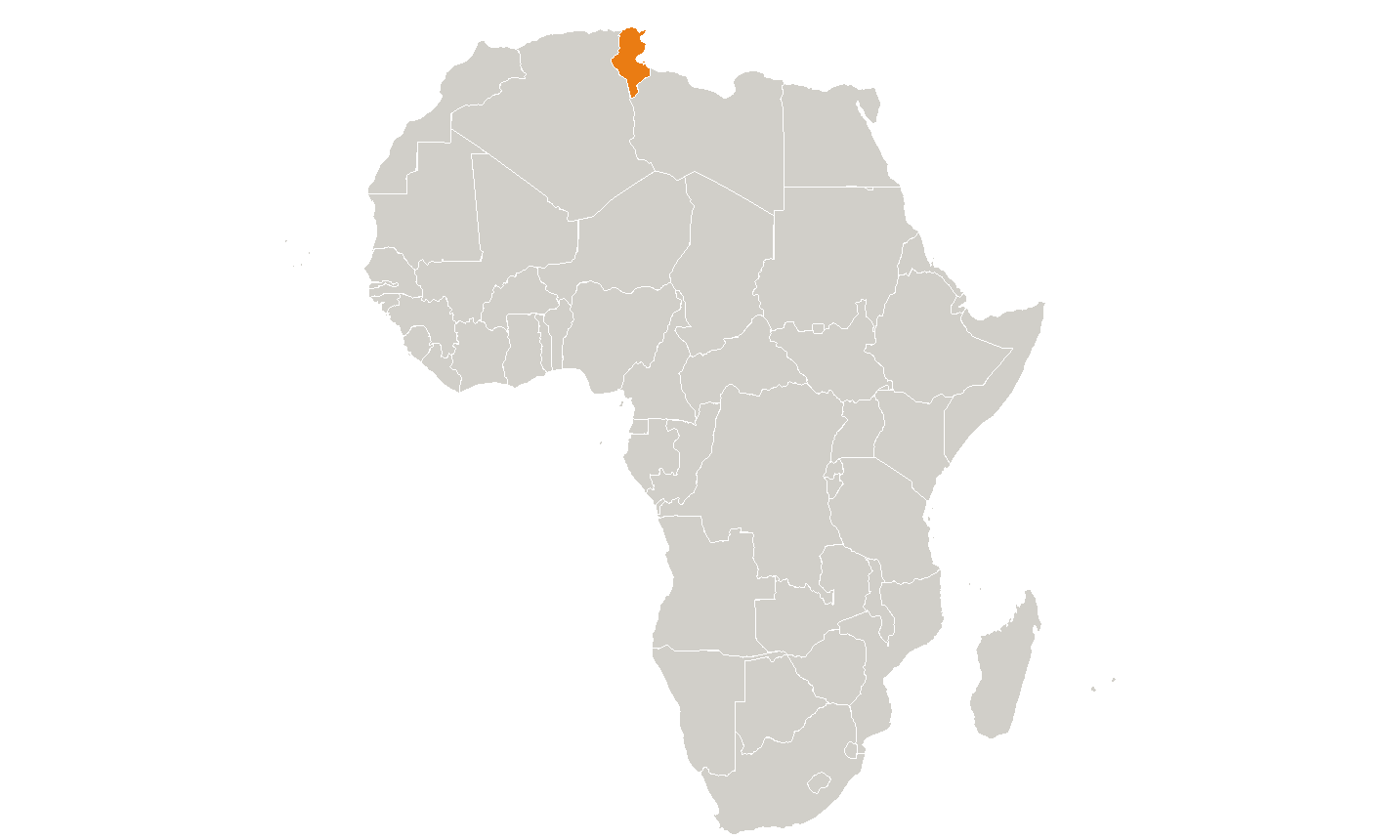
Tunisia
Project Activities
The accompanying measure implemented by Dorsch Impact in a consortium with SCET Tunisie combines institutional strengthening and applied technical support to advance the reuse of treated wastewater (REUT) in Tunisia.
Institutional Component:
- Strengthening coordination between ONAS and other key institutions active in the REUT sector.
- Developing and operationalising interfaces and coordination mechanisms for interinstitutional collaboration.
- Preparing a modular practical guide for ONAS and national stakeholders to standardise approaches to wastewater reuse.
- Monitoring and supporting interministerial exchanges to improve decision‑making and policy alignment.
- Conducting a pricing study that reflects intermediate costs, various reuse applications and differentiated quality standards.
- Designing and implementing information and awareness‑raising materials, including practical training modules on the safe use of treated wastewater.
Technical Component
- Identifying suitable sites and preparing proposals for specific REUT projects.
- Providing engineering consultancy services covering:
- Preliminary and detailed design,
- Environmental and social impact assessments,
- Preparation of tender documents, contracting and works supervision.
- Procuring, installing and commissioning laboratory and monitoring equipment to ensure continuous quality control.
- Introducing a real‑time monitoring and alert system at WWTP inlets and outlets for transparent quality reporting.
- Raising awareness and offering training to farmers and other end users on safe and efficient water reuse practices.
Impact
- Improved national and regional coordination between all key REUT actors (ONAS, MARHP, CRDA, MinE, ANPE, users, etc.)
- Operationalisation of the national “Water Reuse 2050” master plan, enabling Tunisia to move toward its long-term water reuse strategy and climate goals (NDC)
- Higher quality of treated wastewater, with effluent values meeting Tunisian standards NT 106.020 and NT 106.03, and with a transparent real‑time monitoring & alert system in place
- Demonstration of successful and climate‑adaptive REUT approaches at selected pilot sites, reducing pressure on conventional water resources and protecting surface and groundwater bodies
- Increase of the reuse rate at pilot sites, with a minimum target of 30% overall REUT rate across the selected STEP sites
Contributing to the UN Sustainable Development Goals
We are committed to making a positive impact and supporting the UN Sustainable Development Goals (SDGs). This project contributes to the following SDGs: