Development of Local Land Use and Sustainable Development Plans (LLUSDP)
Cameroon is home to nearly 19 million hectares of dense tropical rainforest, one of the most ecologically significant landscapes on the African continent and the world. The government faces severe challenges with an annual deforestation rate of between 0.6 and 1%, driven by agricultural expansion, illegal logging, unplanned urbanisation, and weak land governance. Agricultural encroachment alone accounts for approximately 60% of total forest loss, placing immense pressure on biodiversity, soil health, and the livelihoods of rural and Indigenous communities.
Against this backdrop, Dorsch Impact is delivering a strategic assignment under the GIZ-implemented module Capacity Building in Land Use Planning in Cameroon (Projet de Renforcement des capacités en matiére d’Amenagement du territoire – PRCAT), co-financed by the Central African Forest Initiative (CAFI) and the German Federal Ministry for Economic Cooperation and Development (BMZ). The project supports Cameroon in implementing its Framework Law on Land Use Planning (2011) and in honouring its international commitments under the Paris Agreement and the Glasgow Forest Declaration.
Dorsch Impact’s assignment covers the output 4 of the PRCAT module: the participatory development and initial implementation of Local Land Use and Sustainable Development Plans (LLUSDP – Plan local d'Aménagement et de Développement Durable du Territoire, PLADDT) in the four pilot municipalities of Ngambe-Tikar and Mfou (Centre Region), Melong (Littoral Region) and Akom II (South Region). The plans will be developed in accordance with the official MINEPAT methodological guide (2021) and follow a structured six-phase participatory process, engaging municipal authorities, sectoral administrations, traditional leaders, women, youth, and Indigenous peoples. The overall objective is to strengthen local planning capacities and make the LLUSDP a practical, operational instrument for combating deforestation and land degradation while improving territorial governance and community resilience.
Areas of Expertise
- Governance, Peace and Social Cohesion
- Sustainable Natural Resources Management
Client
Gesellschaft für Internationale Zusammenarbeit (GIZ) GmbH, co-funded by CAFI and BMZ
Duration
From 2026 to 2028
Location
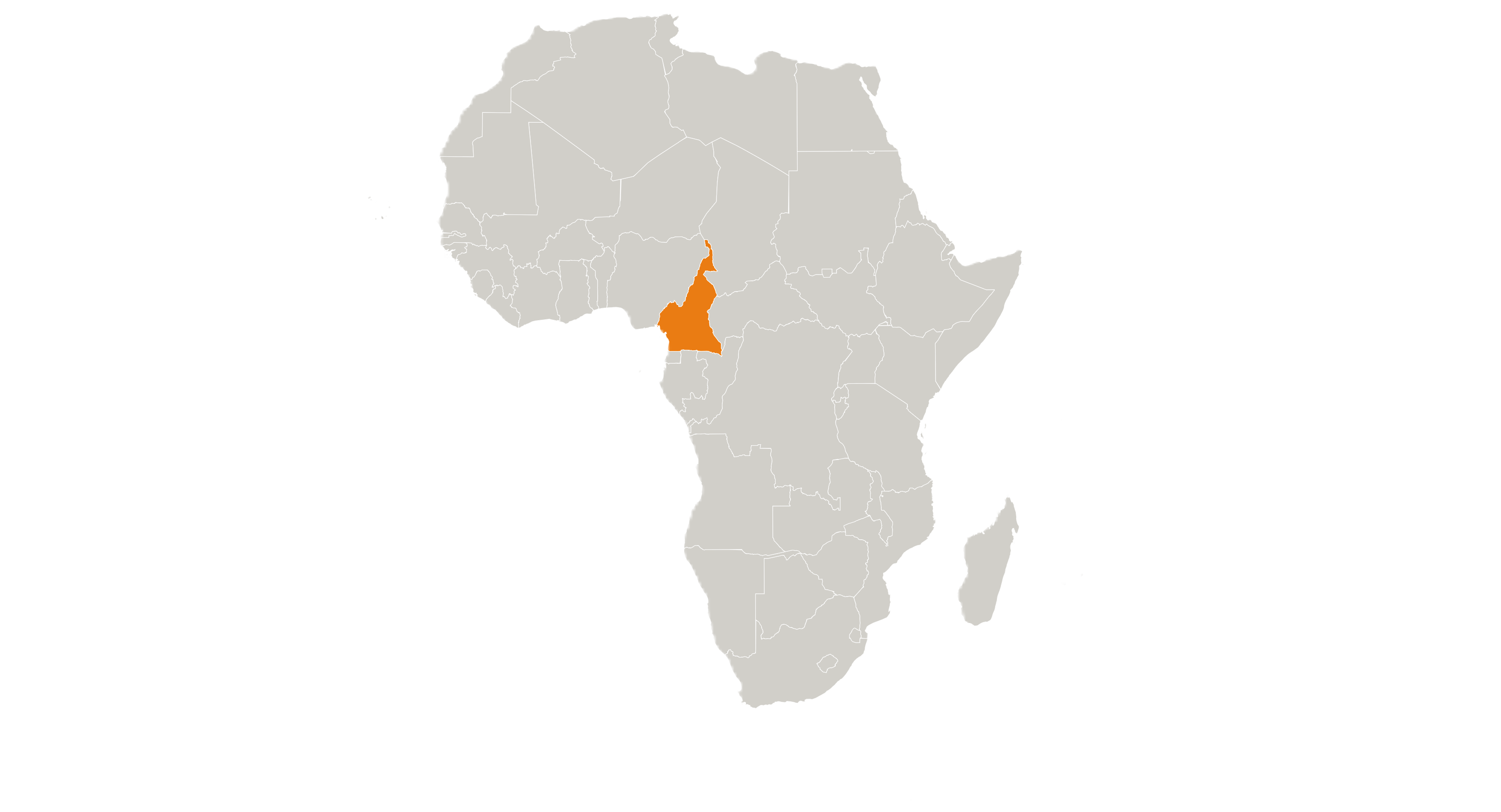
Cameroon
Project Activities
Institutional Component
Capacity development for municipal stakeholders
Training and coaching of municipal staff and elected representatives on land-use planning, local development management, and results-based monitoring
Training-of-Trainers (ToT) on land-use conflict management and land rights, with particular focus on women's land rights
Practical involvement of experts trained under Output 2 of the GIZ module in the LLUSDP process
Stakeholder engagement and participatory governance
Facilitation of the full six-phase LLUSDP development process at council and village/terroir level, from launch workshops and diagnostic validation through to community restitution and final validation
Mobilisation and coordination of local civil society organisations (CSOs) and municipal authorities as local contribution holders
Support to women's and youth organisations in formulating and implementing advocacy measures with traditional and administrative authorities
Awareness-raising on women's land rights and inclusive participation in municipal decision-making
Project and knowledge management
Results-based monitoring (RbM) of all activities
Data collection, processing, and sharing (surveys, GPS data, workshop documentation, maps)
Coordination with GIZ module staff and relevant sectoral administrations (MINEPAT, MINDCAF, MINFOF, MINDDEVEL, MINEPDED)
Technical Component
LLUSDP development and spatial planning
Participatory diagnosis of land use, natural resources, biodiversity, and land tenure at council and village/terroir level, incorporating GIS-based mapping and spatial analysis
Integration of climate resilience considerations and ecosystem corridor approaches into each LLUSDP, ensuring coherence with Cameroon's Nationally Determined Contribution (NDC) and National Biodiversity Strategy and Action Plan (NBSAP)
Gender-transformative planning: integration of gender-responsive approaches throughout all LLUSDP phases, including specific mapping of women's land access and use
Advocacy planning for indigenous peoples and local communities (IPLCs) to ensure their needs and interests are reflected in the plans
Implementation support plans
Development of four LLUSDP implementation support plans, focusing on sustainable land use, forest and soil degradation prevention, and gender-responsive planning
Identification and prioritisation of concrete implementation measures, including soil restoration, promotion of agroforestry systems, revegetation of pastoral areas through forage plots, and other locally appropriate land management practices
Development of action plans with defined responsibilities, timelines, and financing mechanisms at municipal level
Initial implementation of priority measures
Technical support for the launch of at least two priority measures per municipality in Ngambe-Tikar and Akom II, as identified in the LLUSDP support plans
Impact
Four validated, gender-sensitive, and climate-resilient LLUSDPs will provide operational planning instruments for four municipalities, directly linking local territorial governance to Cameroon's national land use framework and international climate commitments.
Strengthened institutional planning capacities at the local level through structured training, coaching, and hands-on engagement of municipal authorities and sectoral administrations, contributing to lasting improvements in decentralised governance.
Enhanced participation of women, youth, and Indigenous peoples in land-use decision-making, supported by targeted advocacy planning, land rights awareness, and the integration of gender-responsive approaches throughout the planning cycle.
Reduced pressure on forests and natural resources, as the LLUSDPs provide communities and authorities with evidence-based tools to manage land conflicts, curb unplanned agricultural encroachment, and safeguard biodiversity and ecosystem services
Contributing to the UN Sustainable Development Goals
We are committed to making a positive impact and supporting the UN Sustainable Development Goals (SDGs). This project contributes to the following SDGs: