Climate Finance Training Programme
Jordan faces acute and compounding water scarcity challenges, exacerbated by climate change and a rapidly growing population. The country's water sector requires substantial investment in both adaptation and mitigation measures, yet access to multilateral climate finance remains limited, partly due to institutional capacity gaps and the absence of structured climate finance frameworks within key public institutions.
The Climate Finance Training Programme and Climate Finance Policy Support for CVDB is implemented under Jordan's Water Sector Governance Programme, financed by Germany's Federal Ministry for Economic Cooperation and Development (BMZ) and implemented through GIZ. The project directly supports the Cities and Villages Development Bank (CVDB), one of the central actors in financing municipal infrastructure across Jordan, in building the institutional foundations and technical capacities needed to access and mobilise multilateral climate finance, with a particular focus on the water sector.
Working closely with CVDB, Dorsch Impact is establishing the enabling conditions for a sustainable climate finance pipeline, ensuring that future water-sector projects are bankable, risk-informed, and aligned with both national frameworks and international climate finance requirements.
Disciplines
- Climate Action
Client
Deutsche Gesellschaft für Internationale Zusammenarbeit (GIZ) GmbH
Duration
From 2025 to 2026
Location
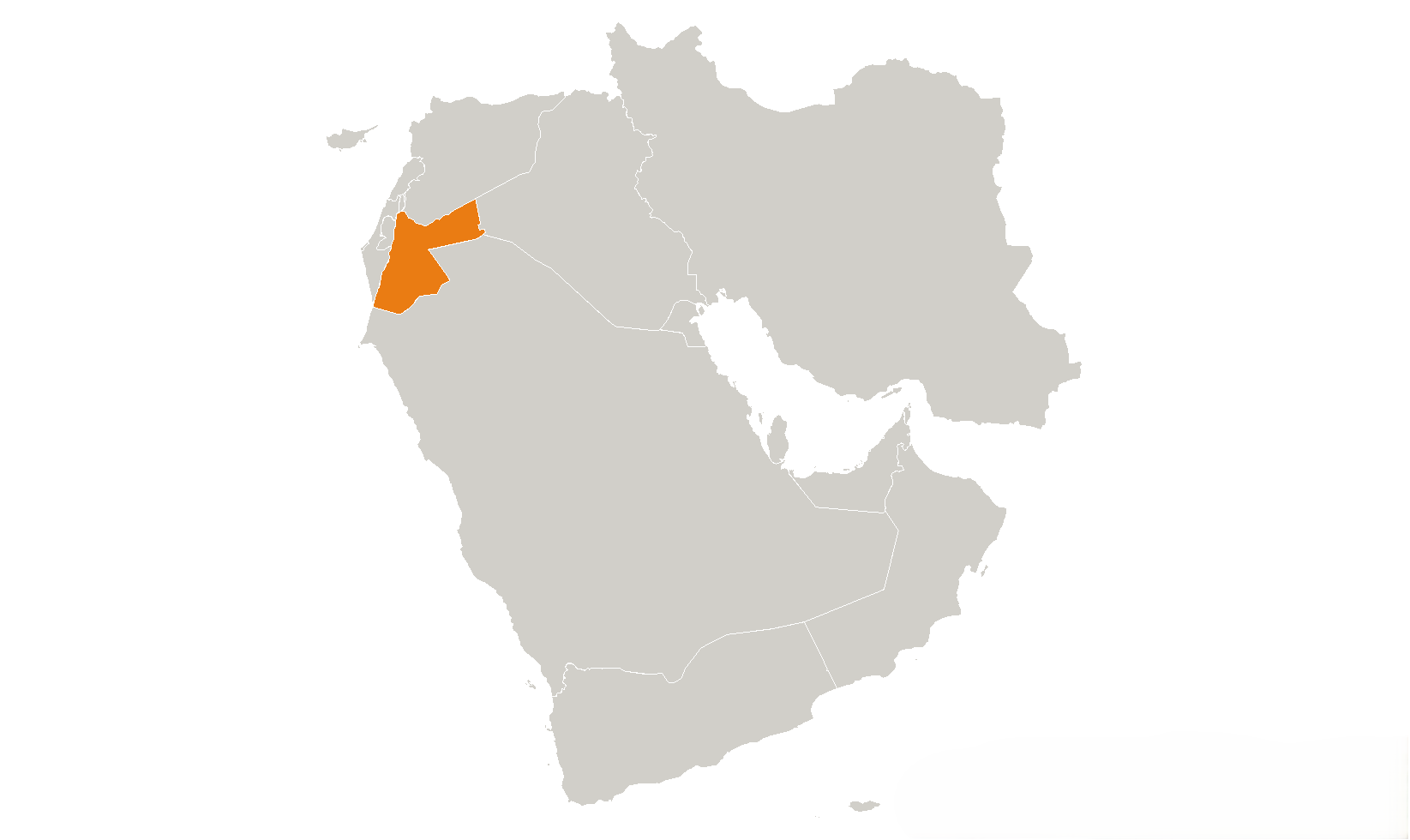
Jordan
Project Activities
Institutional Component
- Updating CVDB's Strategic Plan to incorporate a dedicated climate finance section, ensuring institutional alignment with emerging climate finance frameworks
- Revising Yearly Action Plans for six departments within the Bank to embed relevant climate finance objectives and responsibilities across the institution
- Developing a Climate Finance Policy for CVDB, including:
- Procedures for accessing and managing climate funds
- A governance structure tailored to the Bank's operational context
- Alignment with CVDB's General Policy framework
Technical Component
- Conducting a training needs assessment to identify gaps in climate finance knowledge and capacity across CVDB departments
- Designing and delivering a structured Climate Finance Training Programme, covering:
- Definitions and instruments of climate finance (grants, loans, blended finance, carbon credit schemes)
- Climate finance landscaping: mapping accessible funds and mechanisms for the water sector in Jordan
- Risk management: identifying, mitigating, and managing critical project risks
- Proposal and concept note drafting: addressing bankability requirements, funding instrument criteria, and project design standards
- Building understanding of the international, regional, and national climate finance architecture as it applies to Jordan's water sector
- Supporting the identification and development of a climate finance project pipeline, creating the coordination mechanisms needed for sustained implementation
Impact
- Institutional strengthening: CVDB will have an updated strategic plan, revised departmental action plans, and a formal climate finance policy, equipping the Bank with the governance structures required to engage credibly with multilateral climate funders.
- Enhanced technical capacity: Staff across six departments will be trained in climate finance instruments, project design, and risk management, directly increasing CVDB's ability to develop and submit bankable project proposals.
- Pipeline development: The project establishes the foundational conditions for a sustained climate finance project pipeline in Jordan's water sector, enabling future investments in adaptation and mitigation measures.
- Policy relevance: The assignment directly supports Jordan's national objectives for water sector governance reform and climate resilience, in alignment with BMZ's development priorities and GIZ's Water Sector Governance Programme.
- Long-term sustainability: By embedding climate finance thinking into CVDB's institutional strategy and operational planning, the project generates lasting organisational change beyond the assignment period, positioning CVDB as a credible conduit for climate investment in Jordanian municipalities.
Contributing to the UN Sustainable Development Goals
We are committed to making a positive impact and supporting the UN Sustainable Development Goals (SDGs). This project contributes to the following SDGs: