AEPA - Reengineering of Public Services in the Real Estate Cadastre
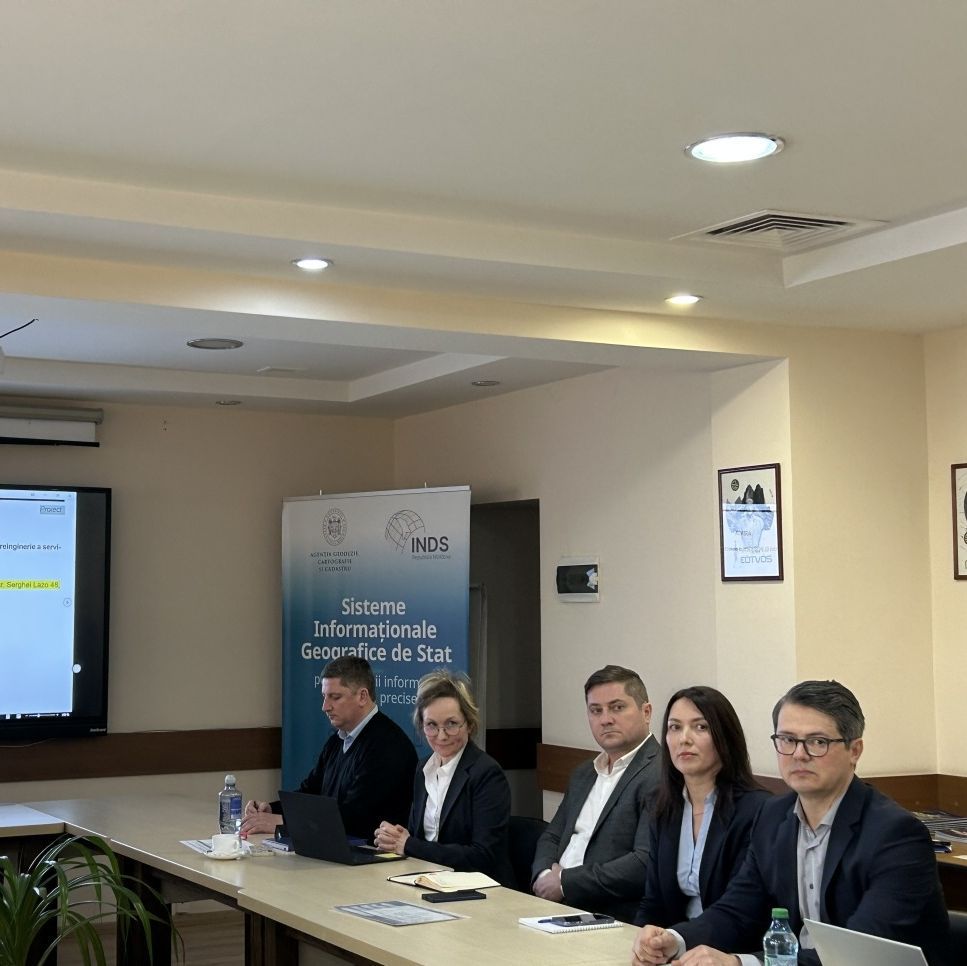
Moldova is advancing steadily on its path towards European Union accession, a process that entails the modernisation of public institutions and the alignment of governance standards with those of the EU. As part of this reform agenda, the real estate cadastre system plays a strategic role: secure property rights, transparent land administration, and reliable cadastral services are essential preconditions for investment, economic development, and the rule of law. To meet EU standards and fulfil its mandate effectively, the Instituția Publică Cadastrul Bunurilor Imobile (IP CBI, Public Intstitution Cadastre of Real Estate) is working to modernise its service delivery processes, strengthen institutional capacities, and improve the efficiency and accessibility of cadastral services for citizens and businesses across the country.
The GIZ project Reengineering of Public Services in the Real Estate Cadastre is part of the broader Attractive and Efficient Public Administration (AEPA) programme. Dorsch Impact is responsible for the reengineering of prioritised cadastral services, directly contributing to Output 3 of the AEPA programme: improved personnel and organisational capacities of the public administration to provide services at national and subnational level. The assignment directly supports Moldova's EU accession agenda and its national public administration reform strategy.
Disciplines
- Governance, Peace and Social Cohesion
Client
Deutsche Gesellschaft für Internationale Zusammenarbeit (GIZ) GmbH, funded by BMZ
Duration
From 2026 to 2026
Location
Moldova
Project Activities
Institutional & Organisational Component
- Mapping and analysing current service delivery processes and key enabling processes across all cadastral services prioritised for reengineering
- Designing future work processes in close coordination with IP CBI, applying the Moldovan Methodological Guide on Public Service Reengineering and international best practices
- Analysing and proposing optimisation measures for the organisational structure of IP CBI to enhance institutional effectiveness
- Supporting legislative reform by assisting IP CBI in drafting necessary legal amendments (at the level of law and government decision) required to implement reengineered processes
- Developing a change management framework, including a set of targeted actions and tailored internal and external communication messages for IP CBI leadership
Technical & ICT Component
- Developing Technical Specifications for the ICT project component, including the technical specification of the Information System Registry of Real Estate, in line with the government-approved concept
- Drafting Terms of Reference and technical specifications for information systems to be developed and deployed in service delivery
- Supporting the piloting of reengineered public services through simulation exercises, in partnership with IP CBI
Services Covered Under Reengineering
The scope encompasses a comprehensive set of cadastral services, including:
- Selective and current registration of land and property rights (residential, non-residential, agricultural, and common ownership)
- Registration of limited real rights, notations, and modifications in the Real Estate Register
- Error corrections, seizure removals, and deregistration processes
- Reception of cadastral works
- Information provision and issuance of extracts, certificates, and property value documentation
Impact:
- Citizen-centred cadastre: the reengineering process is designed to minimise the number of documents and data items applicants must submit to receive cadastral services
- Faster service delivery: streamlined workflows and improved IT interoperability are projected to significantly reduce processing times across all reengineered services
- Lower service costs: process simplification and more efficient use of technology will reduce the cost of cadastral transactions for both the institution and end users
- Strengthened institutional capacity: IP CBI will be better equipped to fulfil its administrative mandate through improved organisational structures, modernised workflows, and enhanced digital infrastructure
- EU alignment and reform momentum: the project directly supports Moldova's EU accession process by aligning cadastral governance with European standards
Contributing to the UN Sustainable Development Goals
We are committed to making a positive impact and supporting the UN Sustainable Development Goals (SDGs). This project contributes to the following SDGs: