ACTION - Targeted Support for Irrigated Land and Nutrition Opportunities
Mali faces acute and compounding challenges in food and nutritional security, particularly among rural communities dependent on small-scale agriculture. Persistent poverty, limited access to reliable water resources, and the accelerating effects of climate change undermine the productivity of smallholder farmers, especially women and youth, across the regions of Koulikoro, Kayes, and Mopti. Existing hydro-agricultural infrastructure is often inadequate, ageing, or poorly maintained, constraining the potential of irrigated land to support livelihoods at scale.
The Consulting services to the National Small-scale Irrigation Programme (PNIP), period 2022-2027 – ACTION Component (Targeted Support for Irrigated Land and Nutrition Opportunities) directly responds to these challenges by financing the construction and rehabilitation of hydro-agricultural infrastructure alongside comprehensive technical assistance for the sustainable use and valorisation of irrigated land. The project is embedded within Mali's National Small-scale Irrigation Programme (PNIP), aligning with national agricultural policy objectives and contributing to UN Sustainable Development Goals.
Areas of Expertise
- Agriculture and Irrigation
Client
Direction Nationale du Génie Rural (DNGR), Ministère de l'Agriculture, funded by KfW Development Bank
Duration
From 2022 to 2027
Location
Mali
Project Activities
Alongside its partners BETICO sarl and CES Consulting Engineers Salzgitter GmbH, Dorsch Impact is implementing the following activities:
Infrastructure & Engineering Component
Mobilising and organising beneficiary communities through participatory planning processes in coordination with local authorities and decentralised technical services
Organising and managing tenders for feasibility studies, engineering design (including environmental assessments), construction and rehabilitation works, and supply contracts, including preparation of tender documents, evaluation, and contract award
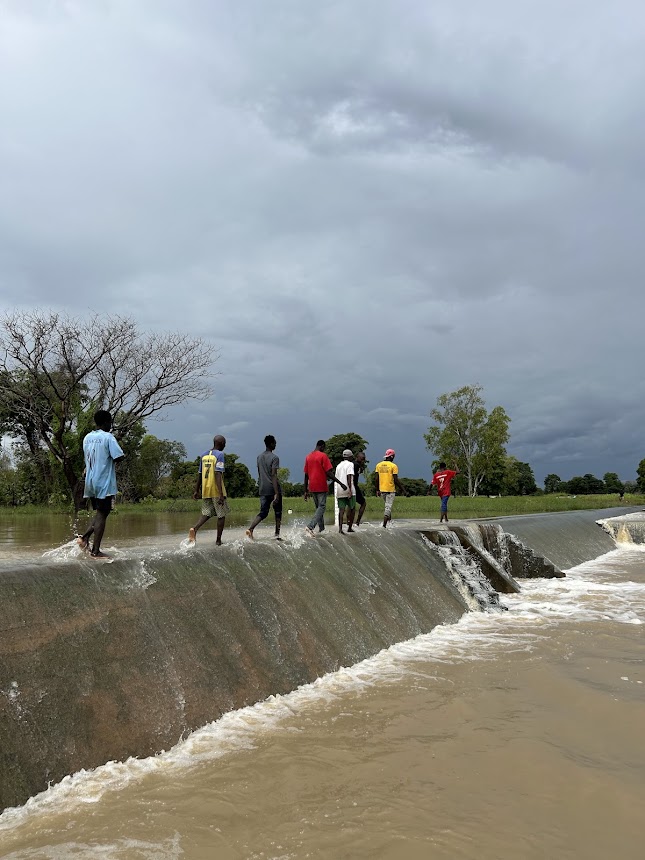
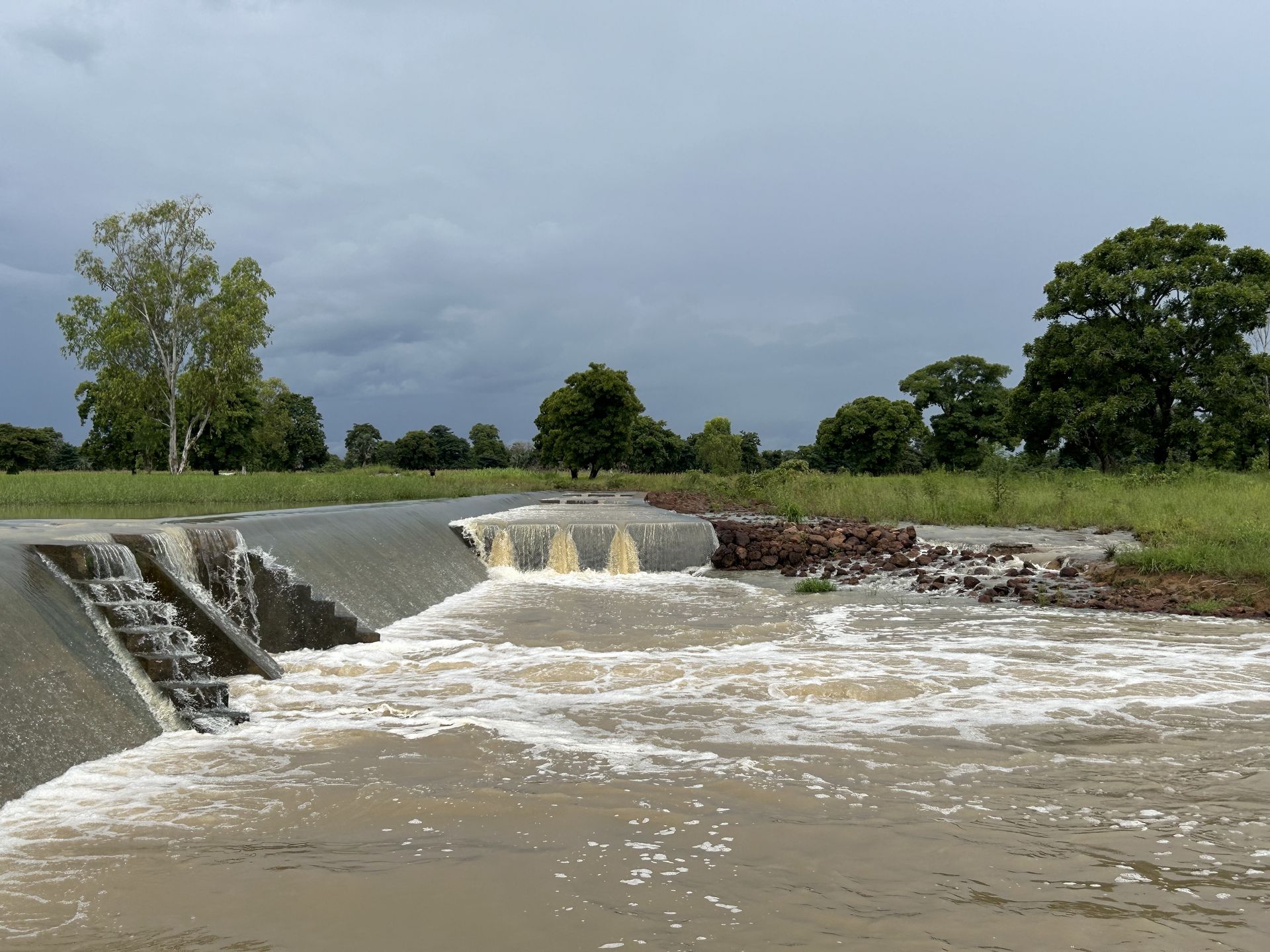
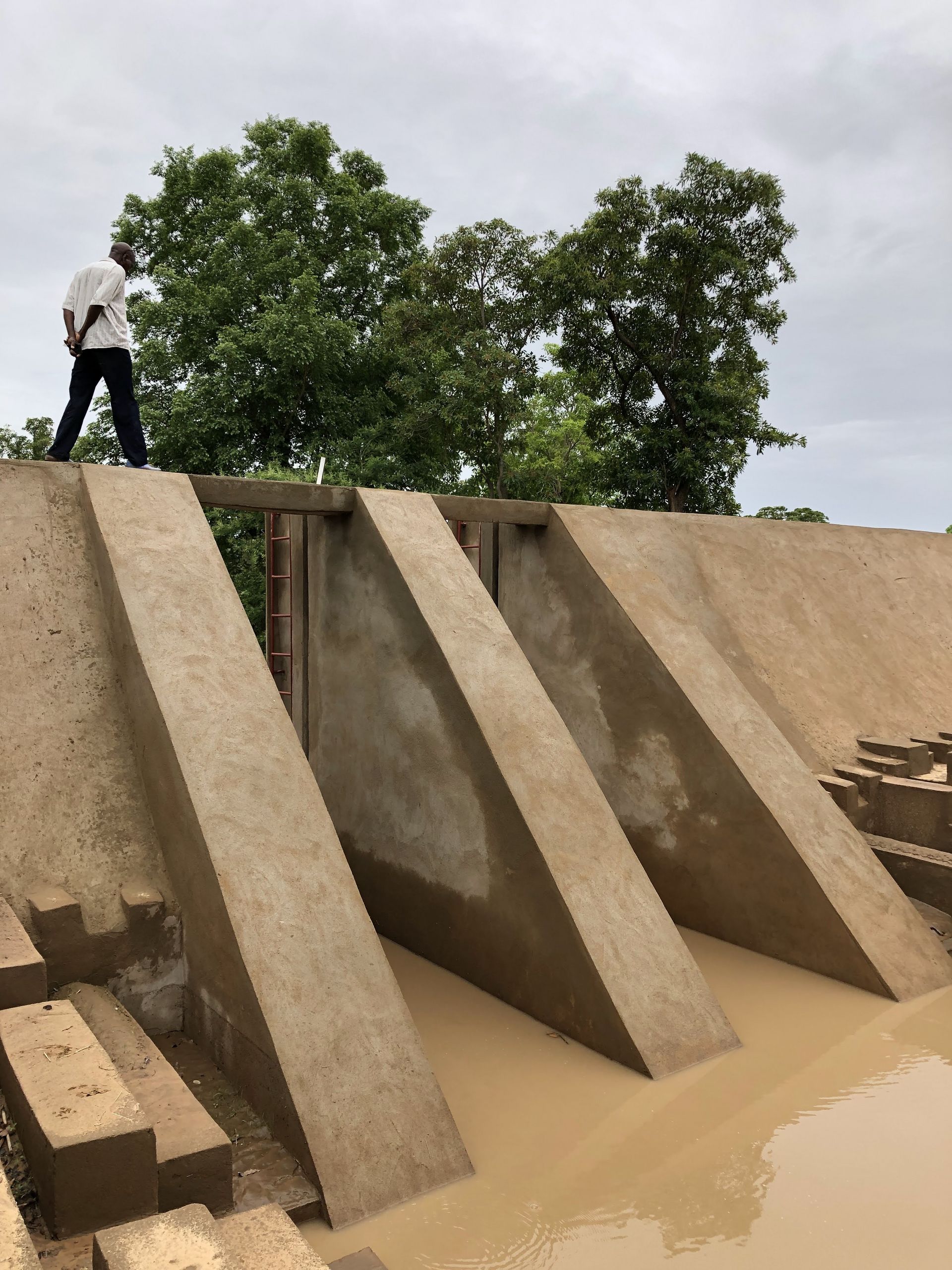
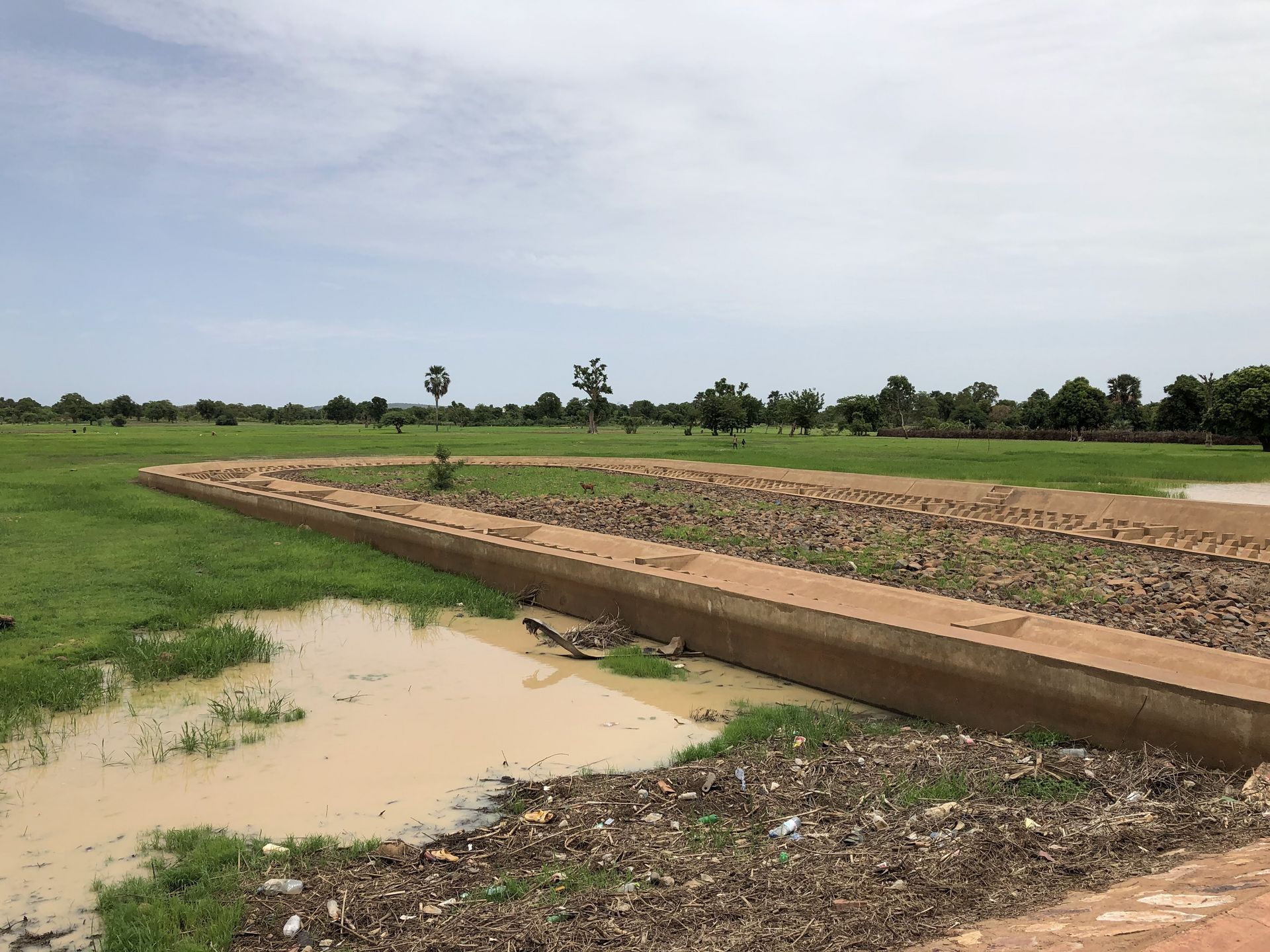
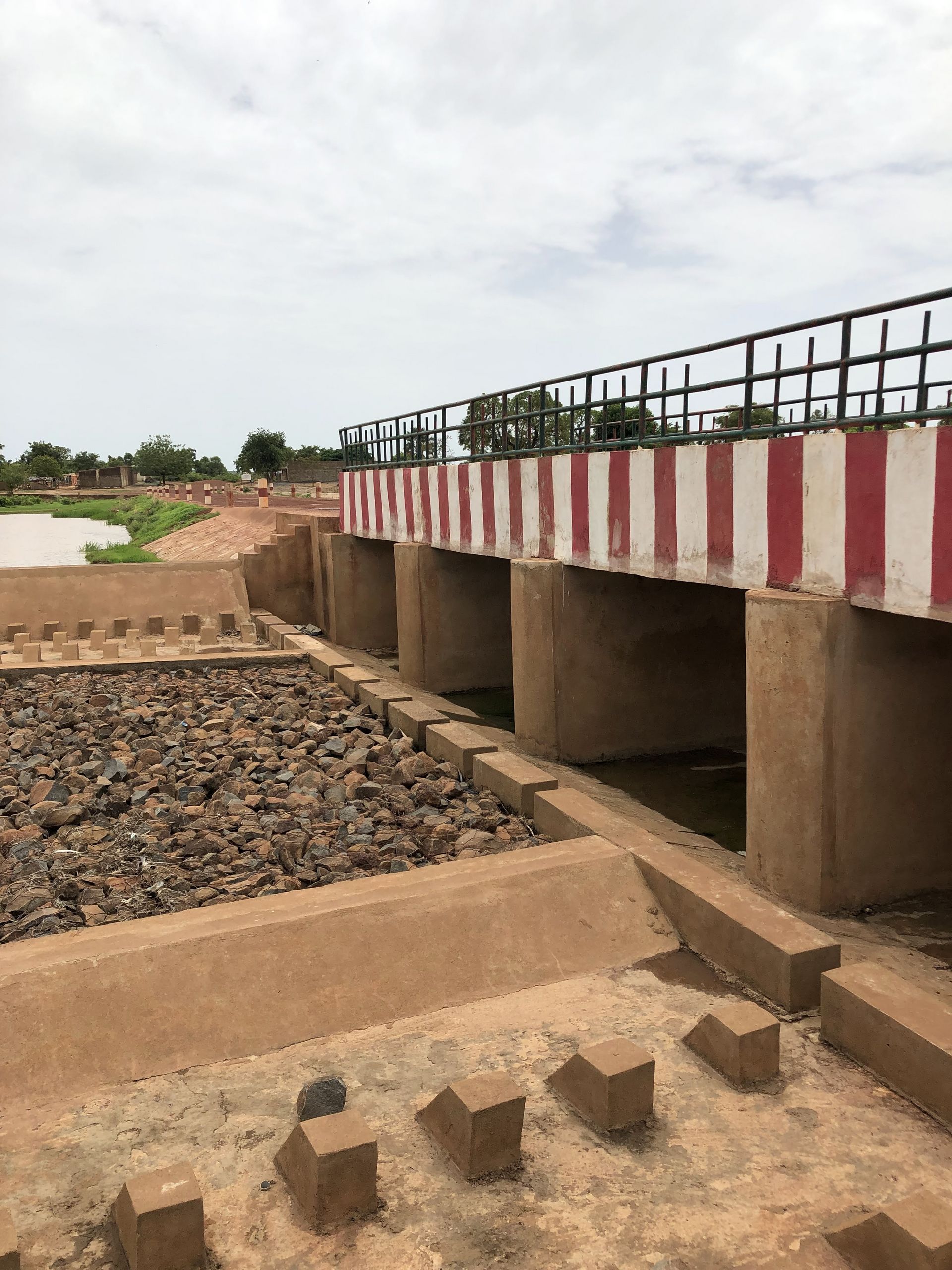
Constructing and/or rehabilitating 77 hydro-agricultural infrastructures (AHA), including micro-dams, water-spreading weirs, and dam-bridges (total irrigation potential: 2,355 ha)
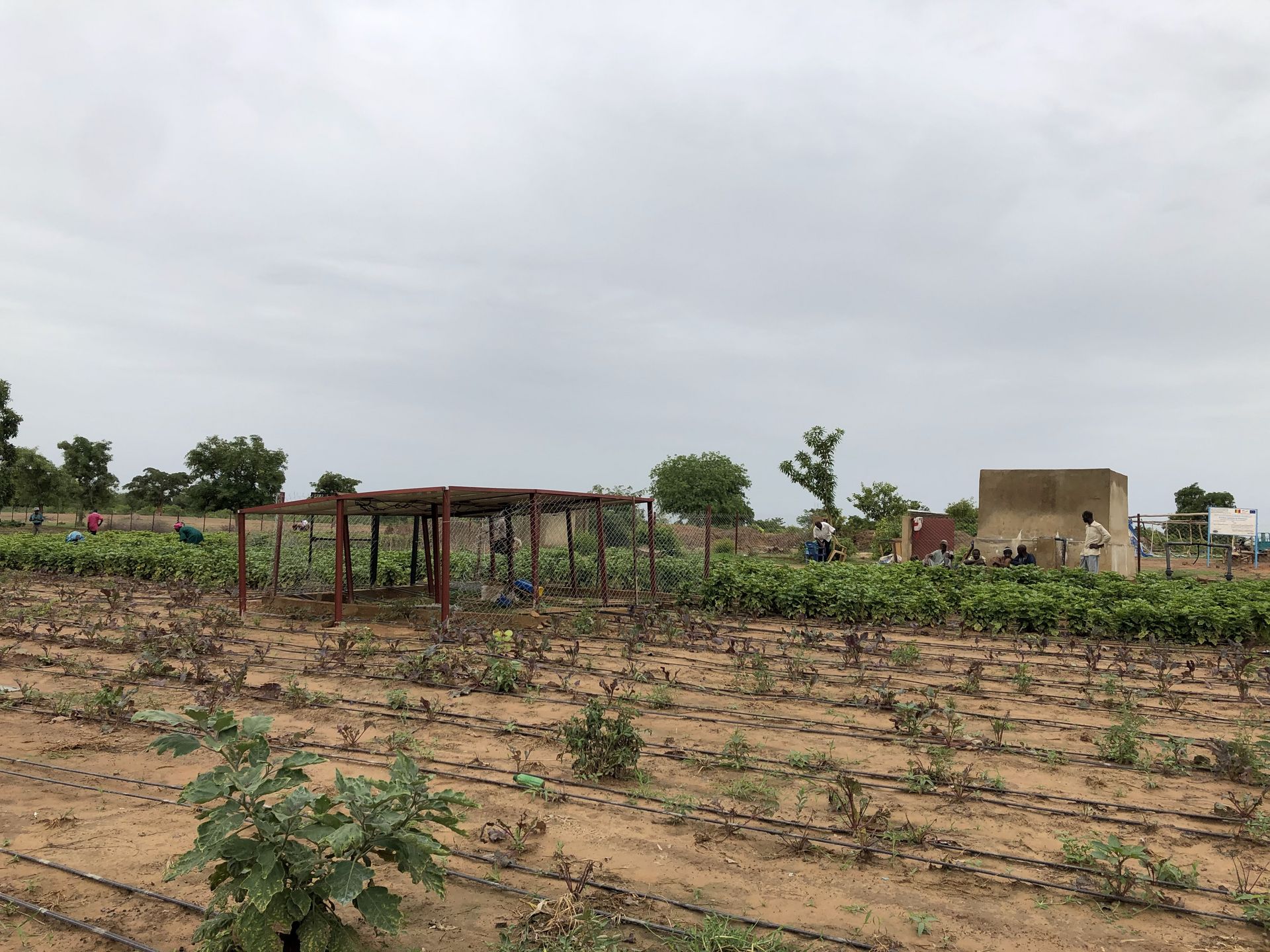
Developing 77 market garden schemes with solar pumping (154 ha) and 616 large-diameter wells
Building complementary infrastructure: 96 km of rural roads and 8 storage warehouses
Implementing environmental protection and anti-erosion measures across approximately 800 ha (reforestation, stone barriers, windbreaks, water and soil conservation techniques)
Supporting fish farming development at 29 micro-dam sites (ponds, floating cages, smoking ovens)
Designing and implementing a Remote Management, Monitoring and Verification (RMMV) system using satellite and drone imagery to track construction progress and agricultural results
Accompanying Measures & Valorisation Component
Supplying agricultural and fish farming inputs and equipment to beneficiary producers
Structuring, capacity-building, and supporting water user associations, dam management committees, and farmer cooperative societies in administrative, financial, and operational management
Providing training and advisory services in agricultural and fish farming production, processing, and marketing, including through farmer field schools
Raising awareness among 2,280 women on malnutrition risks, health and hygiene, and crop diversification
Integrating agroecological approaches into all accompanying measures
Implementing pilot fish farming methods in small dam reservoirs and developing land-use operating agreements
Technical Assistance to the PNIP Secretariat (STP-PNIP)
Supporting the harmonisation of procedures across small-scale irrigation projects in Mali
Advising on financial coordination, progress reporting, and M&E system development at sub-sector level
Providing technical assistance to the Direction Nationale du Génie Rural (DNGR), the STP-PNIP, and coordinating bodies including the CNOS and CTRC
Supporting capitalisation of project experiences, communication, and visibility activities
Impact
The project is designed to benefit 16,150 producers, of whom at least 4,850 are women (30%), directly improving their economic, food, and nutritional security.
Annual production targets include approximately 2,280 tonnes of paddy rice and 32,900 tonnes of market garden produce, strengthening food systems across three of Mali's key agricultural regions.
Through the construction and rehabilitation of 77 hydro-agricultural infrastructures unlocking 2,355 ha of irrigated potential, the project makes a measurable, long-term contribution to agricultural productivity and rural income generation.
The project advances climate resilience through anti-erosion measures, reforestation, and the adoption of agroecological practices, equipping smallholder communities to better withstand environmental shocks.
By embedding gender equity as a structural principle through minimum land-use quotas for women, inclusive training, and targeted nutritional awareness campaigns, the project contributes to the empowerment of women and youth as drivers of sustainable rural development.
Institutional support to the PNIP Secretariat and coordinating bodies strengthens governance and systemic capacity within Mali's small-scale irrigation sector, ensuring impacts extend well beyond the project's duration
Contributing to the UN Sustainable Development Goals
We are committed to making a positive impact and supporting the UN Sustainable Development Goals (SDGs). This project contributes to the following SDGs: